Top China Wall Cladding Supplier & Exporter

Innovative Exterior & Interior Facade Architectural Materials, Engineered Stone & Sustainable Cladding Solutions for Global Major Projects

20+

Years of Quarrying & Processing Expertise

800+

Premium Sourced Stone Varieties

100+

Countries Reached Across 6 Continents

30+

Global Strategic Material Sourcing Nodes

Jieda Stone: A Legacy of Architectural Excellence

Analyzing physical performance, environmental specifications, and structural parameters in next-generation wall cladding solutions.

Global Footprint & Strategic Core Capabilities

Founded in Fuzhou, Fujian Province, China, Jieda Stone has transitioned from a localized quarry operator into one of China’s fastest-growing, fully integrated stone enterprises. Today, the corporation handles the entire value chain—comprising quarry mining, block processing, intelligent manufacturing, complex project fabrication, and global export structures.

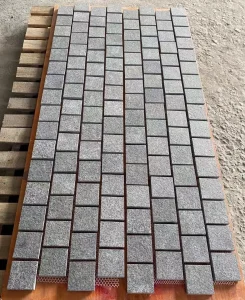
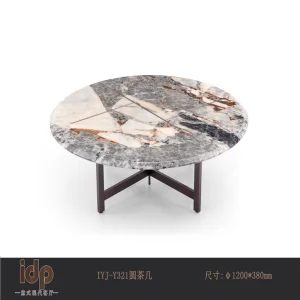
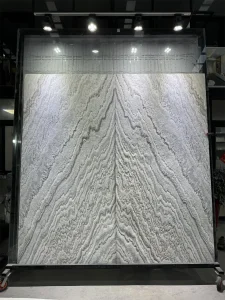
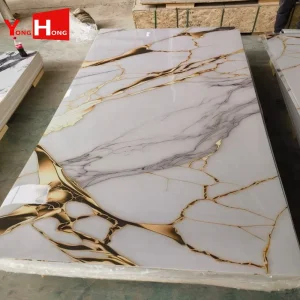
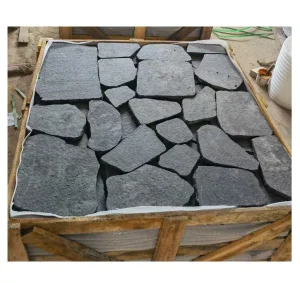
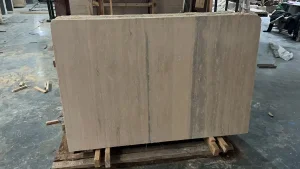
Our global supply model relies on material depth. By stocking and supplying over 800 varieties of stone sourced strategically from 30 source-market nations, we provide contractors with standard and bespoke choices. The materials suite includes premium natural formats such as Granite, Quartzite, Marble, Cast Marble, Slate, Sandstone, Pebbles, Travertine, Limestone, Onyx, and Cultured Marble, alongside processed architectural elements like ventilation facade panels, heavy-duty quartz surfaces, and lightweight composite claddings.

Macro Market Trends: The Evolution of Modern Wall Cladding

Modern commercial facade development is no longer restricted to static brick-and-mortar methodologies. Today's architects require system specifications that integrate environmental protection (EPDs), thermal envelope management, structural stability under wind load, and aesthetic versatility. Within global specifications, four macro trends dominate:

  • Thermal Envelope and R-Value Optimization: Wall cladding systems are increasingly specified to integrate directly with exterior insulation systems (EIFS) and ventilated rainscreens. Choosing the correct structural stone veneer minimizes thermal bridging.
  • Decarbonization and Silica-Free Cast Surfaces: Environmental regulations in North America and Western Europe have restricted traditional high-silica composites. Innovation has shifted toward silica-free quartz surfaces and eco-friendly polyurethane (PU) replicates that lower structural loads and installation carbon footprints.
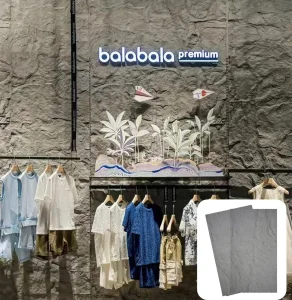
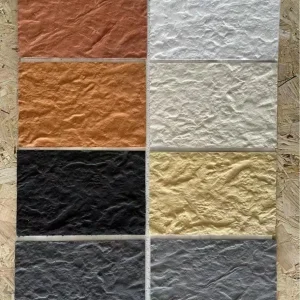
  • Lightweighting and Structural Load Reductions: Developing materials like MCM (Modified Clay Material) flexible granite and thin-format stone veneers reduces facade dead-load by up to 70%, allowing taller structures to implement real stone finishes safely.
  • Prefabricated Unitized Facades: Real estate developers favor factory-processed, cut-to-size cladding components that slot into unitized curtain walls, drastically reducing on-site construction timelines.

Material Classifications & Technical Comparison

Selecting the ideal cladding matrix requires evaluating mechanical properties. The table below outlines structural specifications for typical architectural wall cladding substrates supplied by Jieda Stone.

Material Category Density (kg/m³) Flexural Strength (MPa) Water Absorption (%) Fire Rating Standards
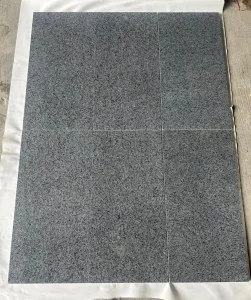
Natural Granite (Sesame Black/G684) 2600 - 2800 15 - 22 < 0.40% Class A1 (Non-combustible)
Engineered Quartz (Silica-Free) 2300 - 2450 35 - 50 < 0.05% Class B-s1, d0
MCM Flexible Stone Veneer 1200 - 1400 Flexible / Non-brittle < 2.0% Class A2-s1, d0
Polyurethane 3D Faux Stone 300 - 450 Elastic Deformation < 0.10% Class B2 / Class A (Flame-retardant treated)

Custom Engineering & Procurement Solutions

How Jieda Stone optimizes global architectural delivery pipelines, from quarry extraction to final site placement.

Multi-Material Supply Security

With direct ownership of local granite reserves and international strategic partnerships, we guarantee consistent block availability. This security of supply prevents shade matching variations across phased developments.

Advanced CNC Cut-to-Size Accuracy

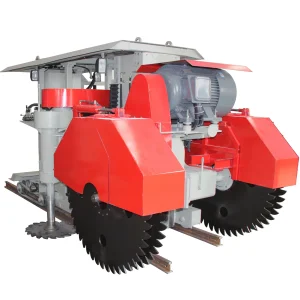
Utilizing high-power, multi-blade quarry saws (such as the HKSS-1400 Limestone Sandstone horizontal-vertical cutter) alongside dynamic five-axis CNC processing centers, we control dimensional tolerance strictly to ±0.5mm.

Digital Color Diagnostics

Architects provide images, Pantone codes, or physical control samples. Our laboratories perform computerized colorimetric analysis to cross-reference our database of 800+ varieties, recommending ideal geological alternatives.

Localized Engineering Support & International Standards Compliance

Navigating building codes, wind tunnel testing, and import validation processes for major regional markets.

ASTM and European Norms (EN) Compliance

Executing projects in environments like North America, Western Europe, and Oceania demands compliance with stringent engineering metrics. Jieda Stone guarantees that structural cladding materials undergo independent laboratory validation by organizations such as SGS and Intertek.

Our technical teams provide comprehensive calculations covering compressive strength, flexural stress limits under wind load, thermal expansion, and freeze-thaw cycles. This ensures materials maintain physical integrity even when subjected to freeze-thaw cycles in Nordic or northern US zones.

Ventilated Rainscreen (VFS) Infrastructure System Integration

Modern commercial design favors dry-hung ventilated facade technology over outdated wet-mortared methods. Dry-hung installation reduces water intrusion risk, manages wall condensation, and accommodates structural movements. Our natural granite, travertine, and quartz stone panels are pre-drilled or kerbed to integrate with standard aluminum sub-framing systems (such as undercut anchors or kerfed channel support brackets).

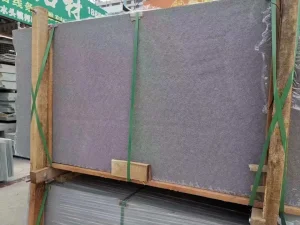
Jieda Stone Processing Facility and Showroom Inventory

Our Strategic Path: Smart Quarries and Decarbonized Logistics

As we look toward future product developments, Jieda Stone is introducing three core directives:

  • Eco-Smart Quarries: Implementing closed-loop water filtration systems and solar power generation across our processing lines to reduce the scope 1 and 2 carbon footprint of natural stone blocks.
  • Intelligent Material Tracking: Incorporating unique RFID tags on heavy slabs to trace panels from quarry blocks directly to installation spots on-site.
  • Non-Hazardous Binder Engineering: Transitioning artificial composites toward bio-resins and mineral matrices, creating silica-free kitchen countertops and wall cladding slabs.

Expert Procurement FAQ

Addressing structural, chemical, logistical, and design considerations for global facade designers.

What are the key technical differences between natural granite cladding and lightweight PU faux stone panels? +
Natural granite (e.g., G684 Basalt, Sesame Black) provides permanent durability, high structural flexural strength, and class A1 fire resistance, making it suitable for high-rise commercial plinths. Polyurethane (PU) 3D panels are lightweight, faux options designed for quick mounting on interior/exterior drywall without heavy framing, but they do not match the long-term weathering performance of real stone.
How does Jieda Stone control natural color variation in large-scale wall cladding orders? +
We extract blocks from the same geological layers within our quarries. Slabs undergo color classification during manufacturing and are pre-laid at the factory under consistent lighting, allowing us to group colors and serialize slabs before shipment.
Which wall cladding materials are recommended for seismic active zones? +
For seismic areas, we recommend using MCM (Modified Clay Material) flexible stone veneer or dry-hung ventilated facade systems (VFS). VFS uses mechanical anchor channels instead of cement mortar, allowing the stone panels to move independently of the structural frame during seismic drift.
What certifications do your materials carry for the European and US markets? +
Our stone products comply with CE marking requirements under EN 1469 for natural stone cladding. Slabs exported to the US market undergo testing for ASTM standards, including compressive strength (C170), water absorption (C97), and flexural strength (C880).
How does the silica-free quartz slab differ from traditional engineered quartz surfaces? +
Silica-free quartz slabs utilize an advanced recycled mineral formulation combined with bio-resins, replacing free crystalline silica. This ensures safe processing for fabricators and installers while maintaining the high density and non-porous structure of traditional quartz countertops.