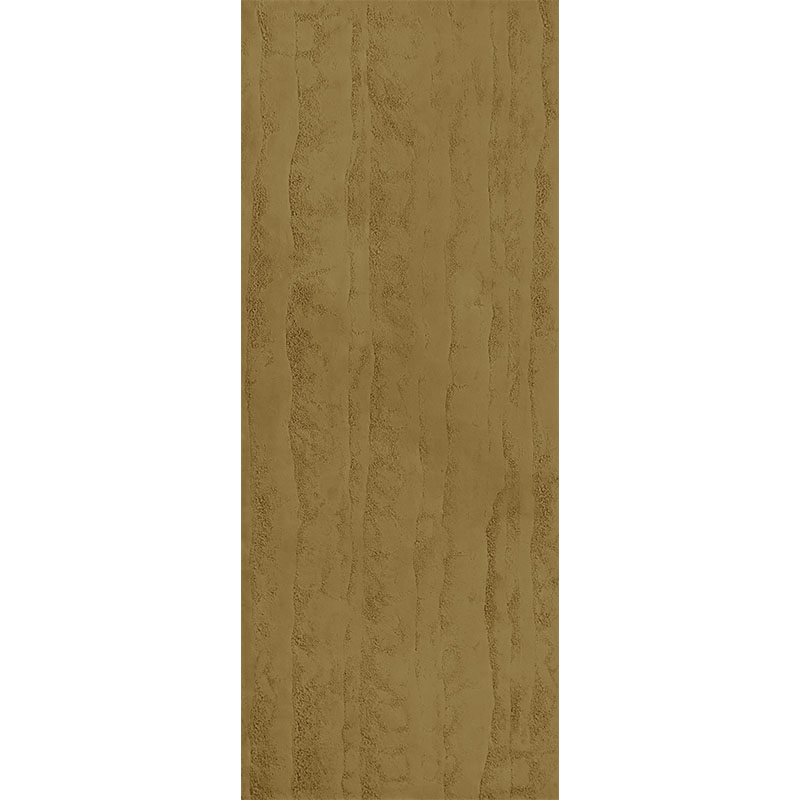
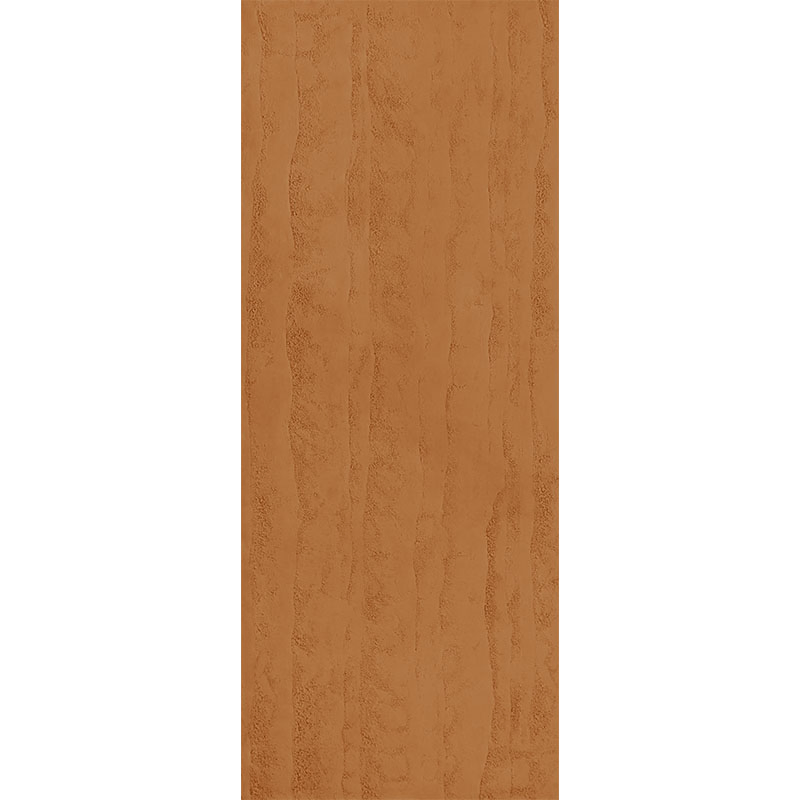
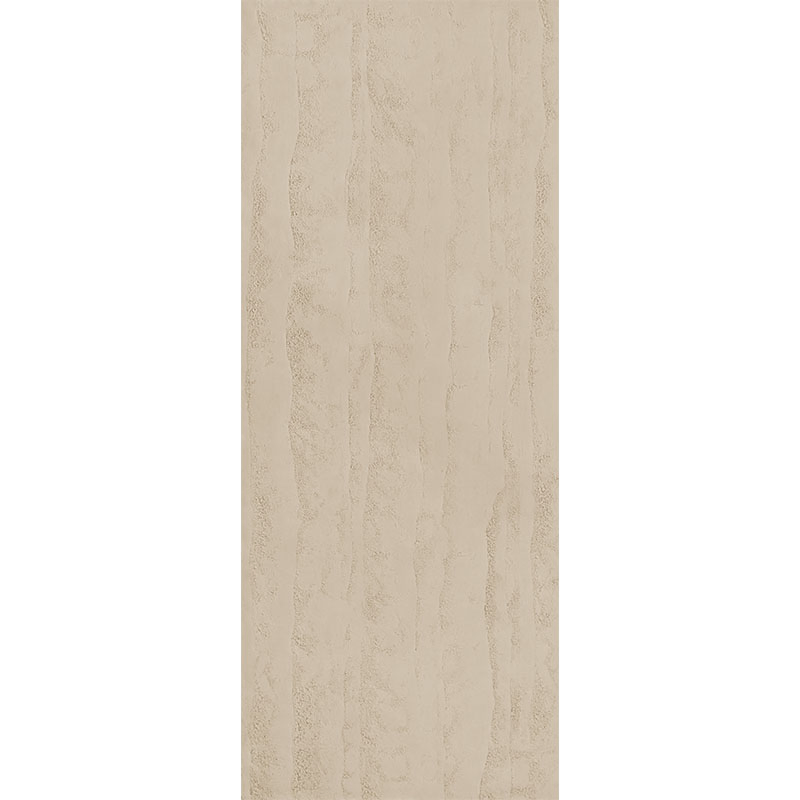
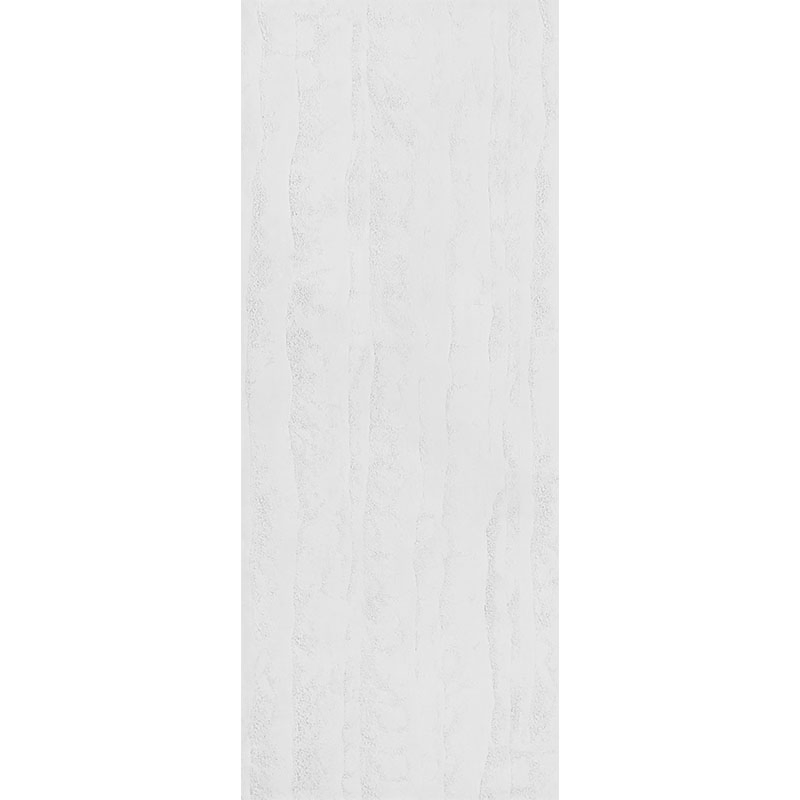
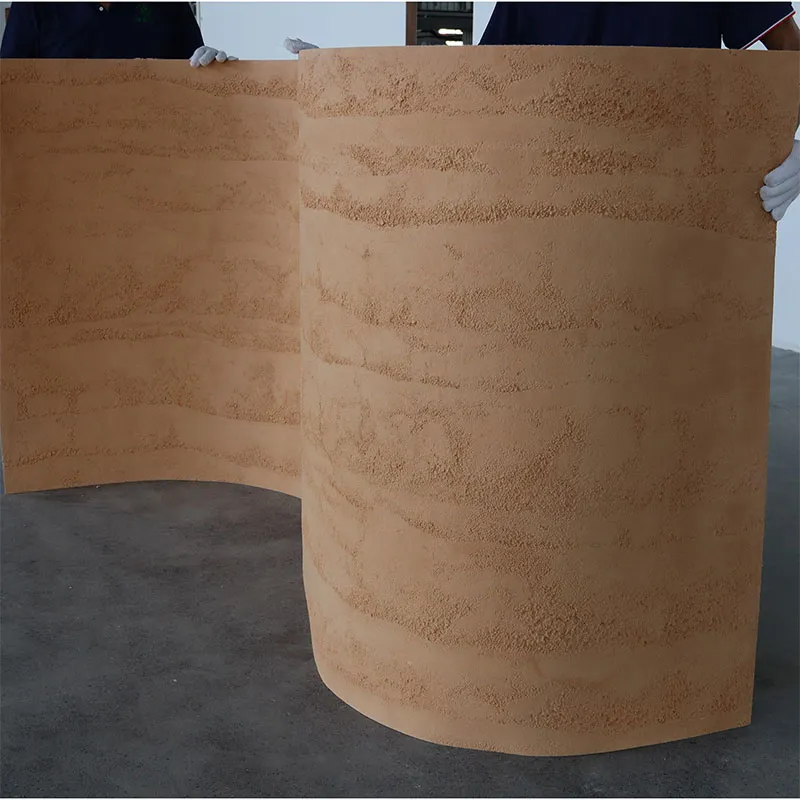
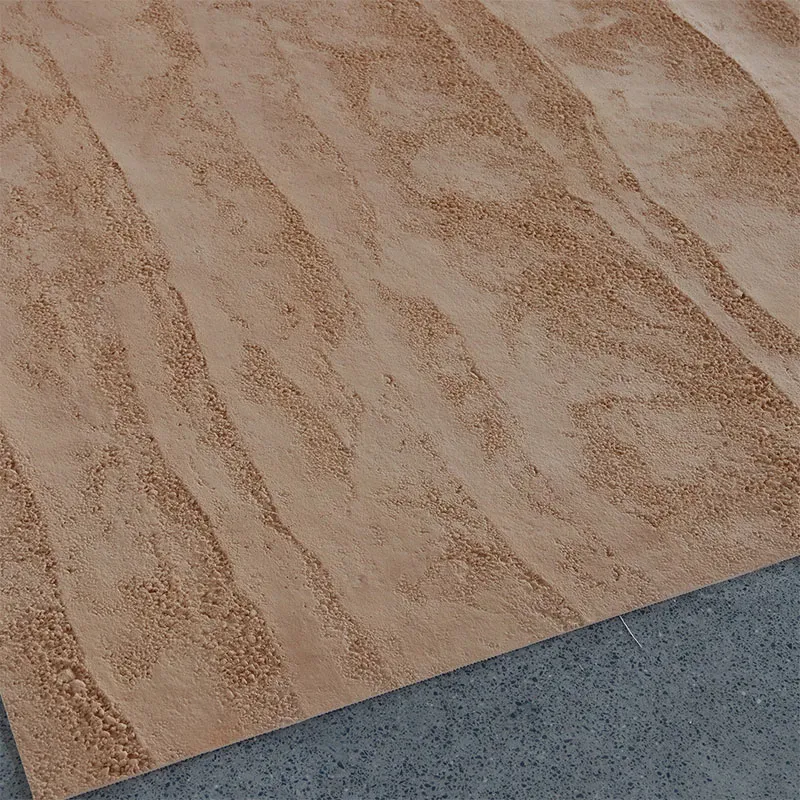
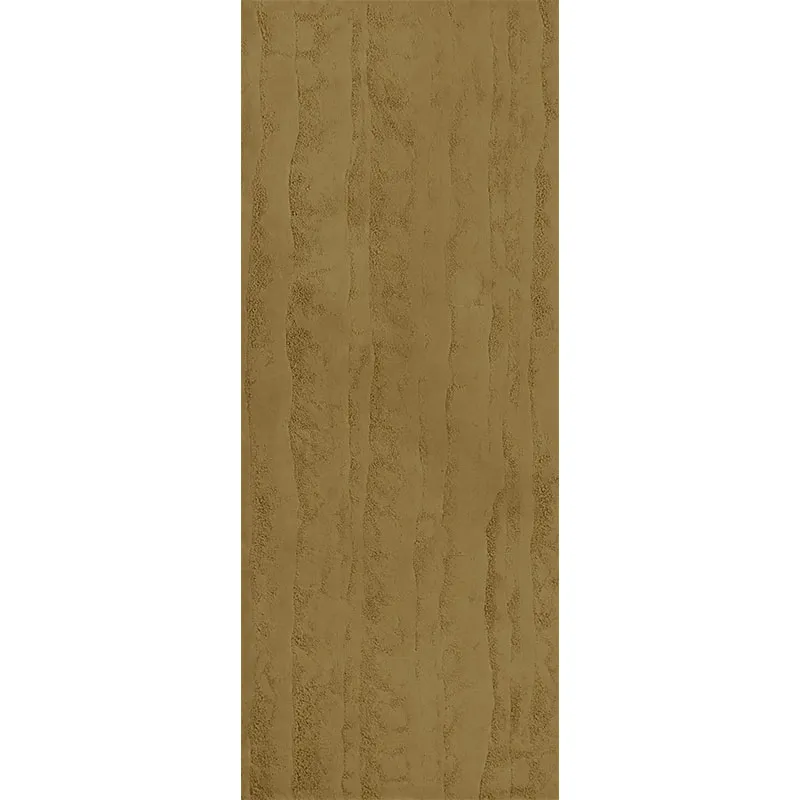
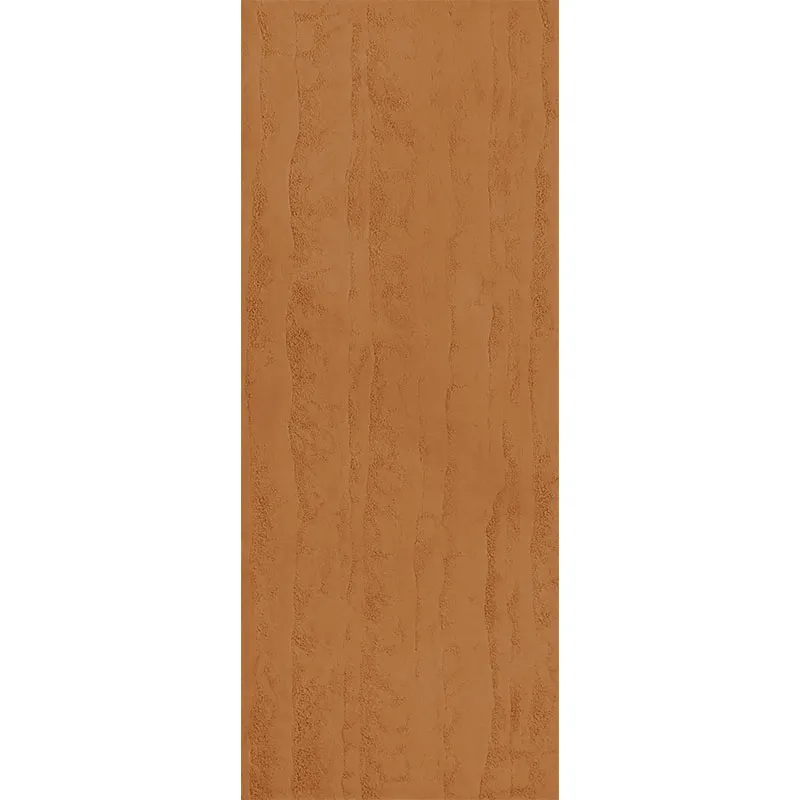
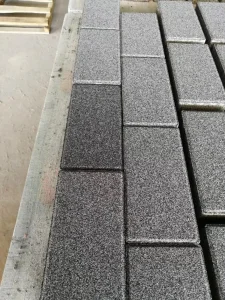
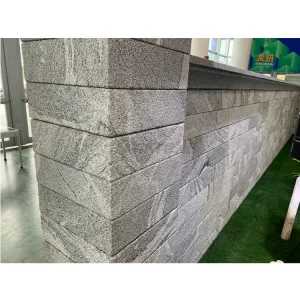
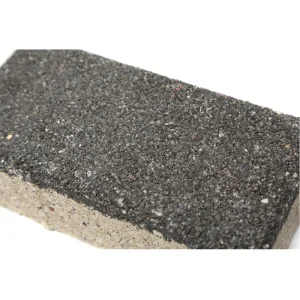
Rammed Earth Board surface texture replicates traditional rammed earth walls, featuring layered block-like patterns with irregular horizontal compaction marks and fine particle shedding. The cold, rigid tactile matte surface enhances three-dimensional shadows through stratified textures.
High compressive strength and weather resistance suit practical applications requiring raw, rugged aesthetics, such as architectural facades, interior walls, and cultural space cladding.
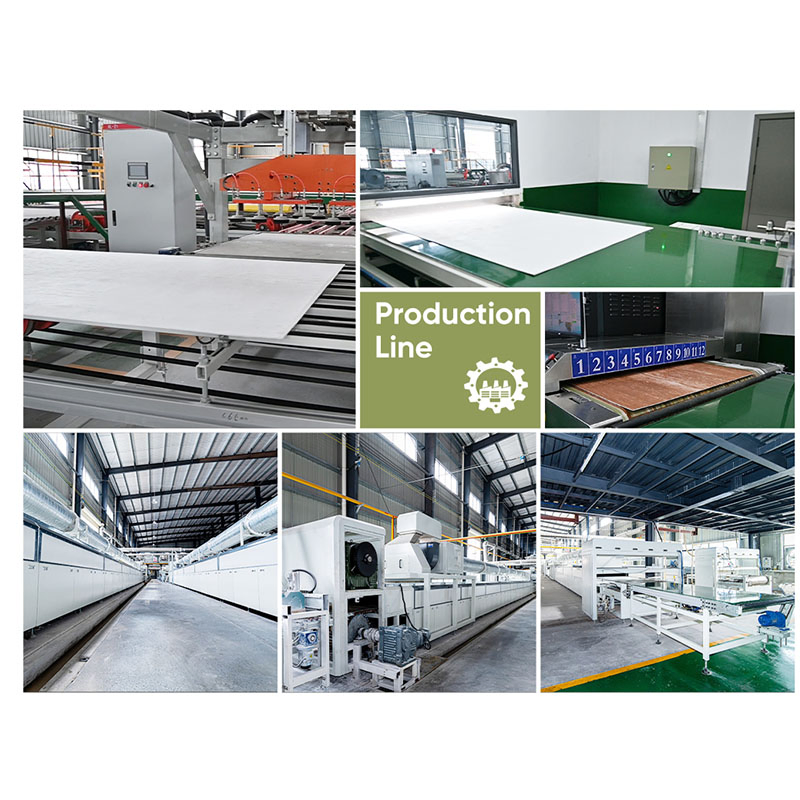
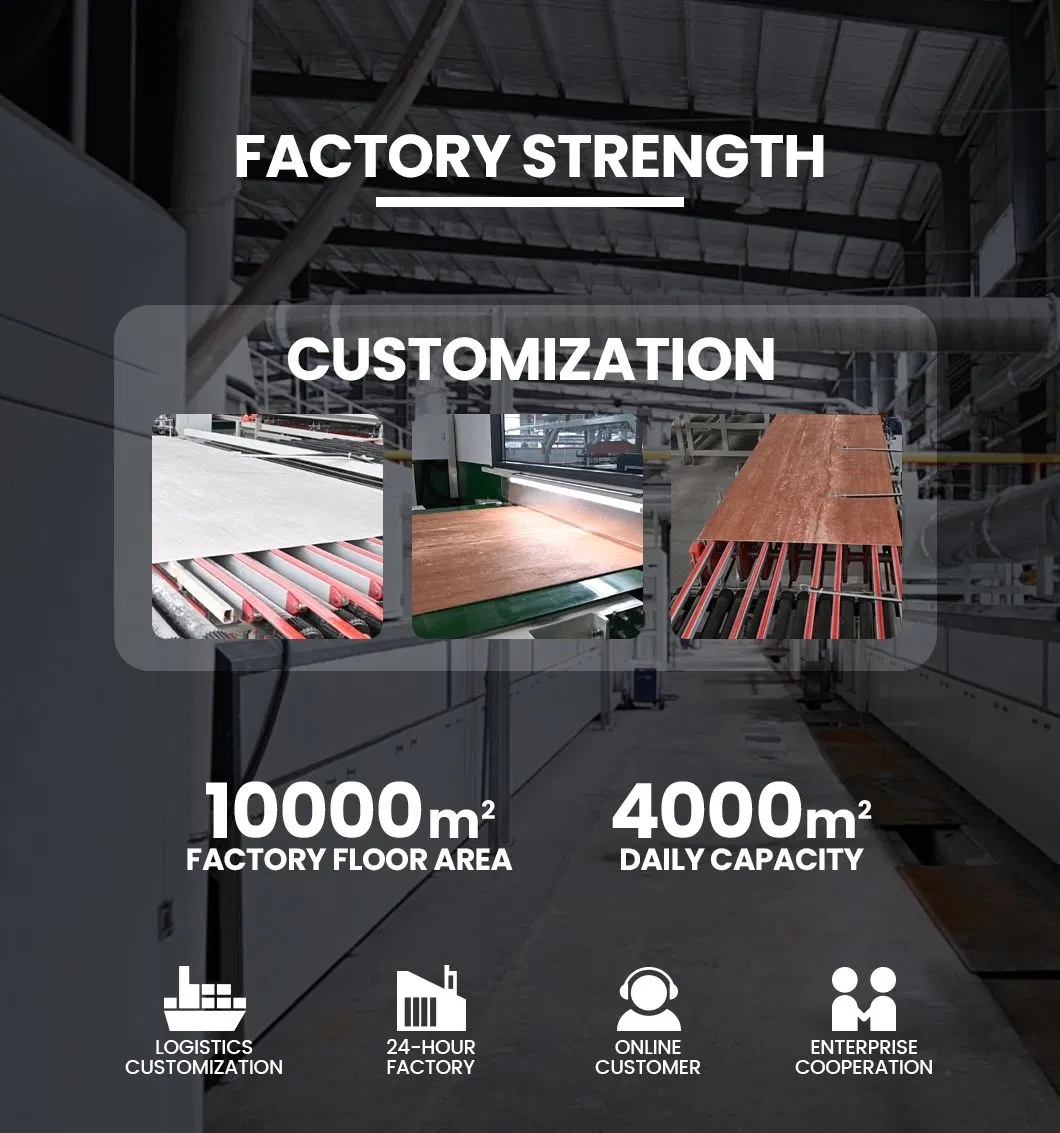
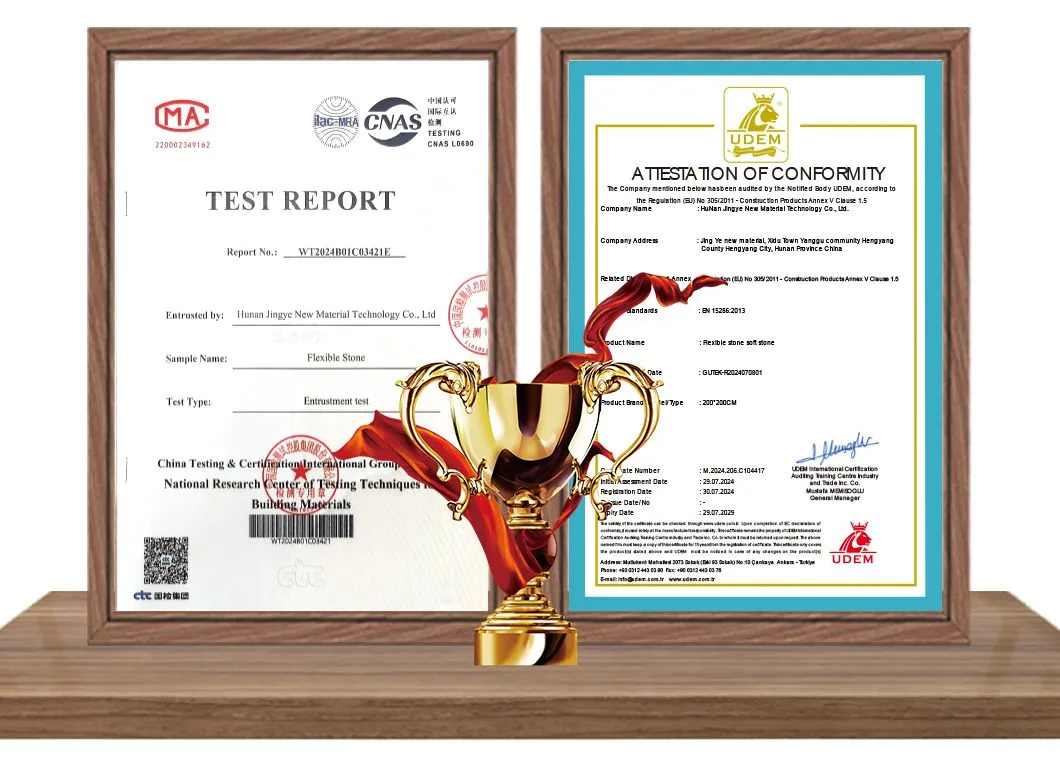
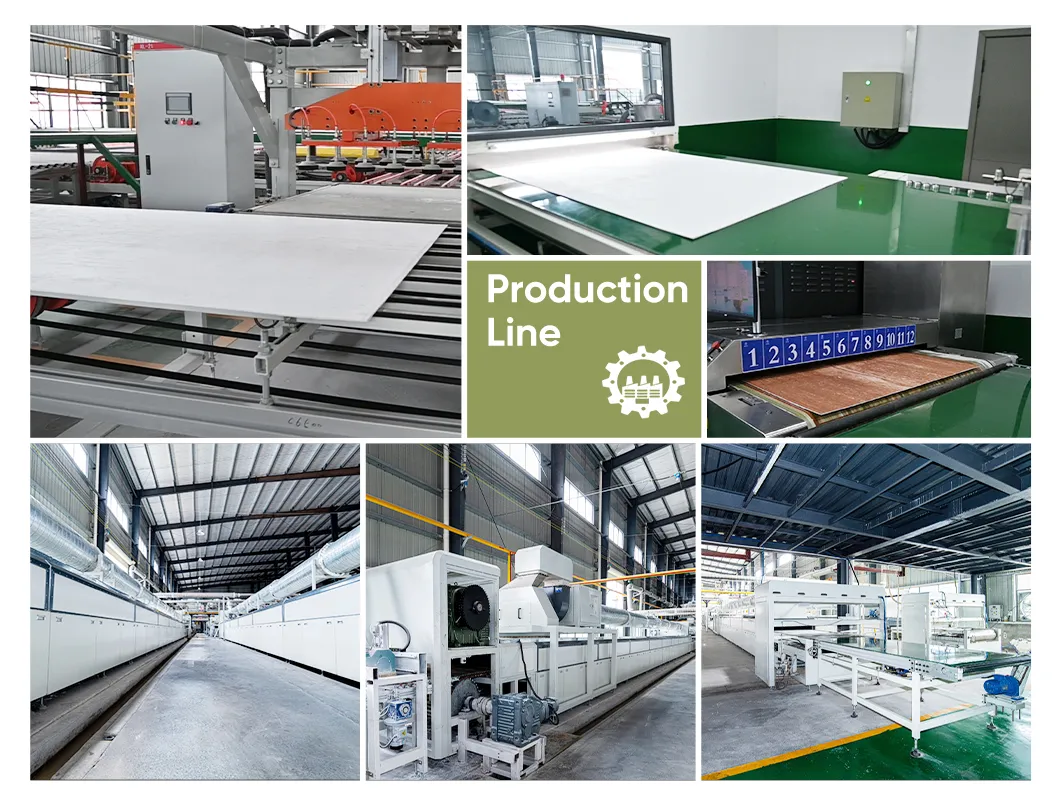
Our facility specializes in producing inorganic green soft stone products and ecological material innovations. Using core technology, these products present the authentic texture of natural stone, wood grain, and ceramic coatings. They offer significant advantages in environmental protection, versatility, and economy, effectively solving problems associated with traditional building materials through frost resistance, fire resistance, and heat insulation.
?
Frequently Asked Questions
1. What is MCM (Modified Clay Material)?
MCM, also known as Flexi Stone, is created by mixing the inherent colors of modified clay and natural stone powder. It recreates unique features of stone, wood, bricks, and leather with high flexibility and durability.
2. Where can these products be applied?
It is suitable for both internal and external applications, including building makeovers, commercial offices, public entertainment spaces, and feature walls.
3. What are the standard sizes for the panels?
Common sales specifications include 600*1500mm and 1200*3000mm. Custom sizes are available upon request to meet specific project needs.
4. Is the material fire and water resistant?
Yes, the material is engineered to be fire-resistant and waterproof, making it an excellent choice for diverse climates and safety requirements.
5. What makes it "Eco-Friendly"?
It uses inorganic natural stone powder and modified clay, reducing the carbon footprint compared to traditional heavy stone mining and high-heat ceramic production.
6. How is it packaged for shipping?
To ensure safety during transit, products are typically packed in sturdy wooden pallets or wooden boxes, specifically sized to accommodate the flexible panels.
 Jieda Stone