Top 10 Tips for Cleaning Stone Surfaces Effectively?

Time:2026-03-20 Author:Henry
0%

Cleaning stone surfaces effectively is crucial for maintaining their beauty and longevity. According to the Natural Stone Institute, proper care can extend the life of stone surfaces by up to 30%. However, many homeowners lack knowledge on how to clean stone surfaces properly. Regular use of unsuitable cleaning products can lead to irreversible damage. This makes it essential to understand the right methods for preserving these valuable surfaces.

In the world of home maintenance, stone surfaces require specialized care. A survey conducted by HomeAdvisor revealed that nearly 40% of homeowners do not follow proper cleaning steps for stone. Missteps can result in stains and etching, which are costly to repair. Knowing what to use and what to avoid is vital for every homeowner. Implementing the right techniques promotes both aesthetics and durability while saving you from expensive miscalculations.

As we delve into the top 10 tips for cleaning stone surfaces, remember that attention to detail matters. Avoid generic cleaning methods that might harm your stone. Instead, focus on tailored solutions that respect the specific characteristics of each stone type. This approach will enhance the beauty of your countertops, floors, or walls while ensuring they stand the test of time.
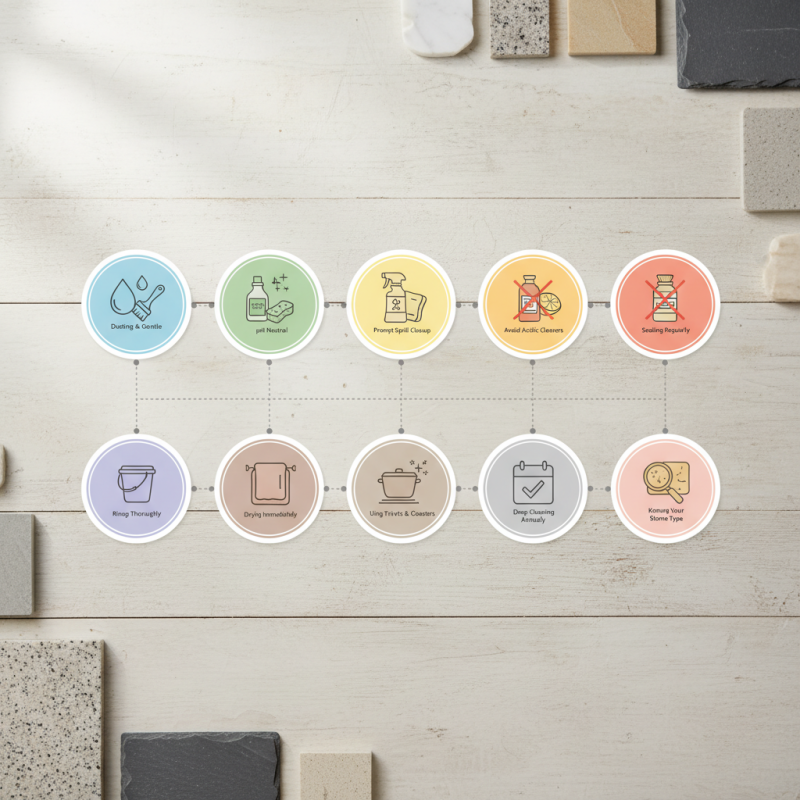
Top 10 Tips for Cleaning Stone Surfaces Effectively?

Understanding Different Types of Stone Surfaces and Their Care Needs

When it comes to stone surfaces, understanding their specific care needs is crucial. Different types of stone require tailored cleaning approaches. For instance, marble is porous and prone to staining. A study by the National Stone Institute found that unsealed marble can absorb spills in as little as 1-5 minutes. Regular sealing is essential to protect it from damage.

Granite, on the other hand, is more durable but can still harbor bacteria in its porous surface. Research indicates that untreated granite can have a bacterial count of up to 5,000 CFU per square inch. This makes regular deep cleaning necessary. Using pH-balanced cleaners ensures you maintain the stone's integrity while removing harmful microbes.

Limestone presents unique challenges due to its soft texture and susceptibility to acids. A survey revealed that many homeowners overlook the need for gentle cleaning products. Using harsh chemicals can lead to etching, which compromises its appearance. These insights highlight the importance of understanding each stone's unique characteristics for effective care. Regular maintenance can save money in the long run, although many may neglect it until noticeable damage appears.

Essential Tools and Cleaning Supplies for Stone Surface Maintenance

Maintaining stone surfaces requires the right tools and cleaning supplies. The effectiveness of your cleaning routine depends on these essentials. According to industry reports, improper maintenance can lead to irreversible damage in just a few months.

For starters, a soft-bristle brush is crucial. It helps remove debris without scratching the surface. A microfiber cloth is another must-have. It captures dust while being gentle on stone. Regularly using these tools can maintain the stone’s appearance and durability.

Stone-safe cleaners are also vital. Many off-the-shelf products contain harmful acids. These can erode the stone over time. Look for pH-neutral cleaners designed specifically for stone surfaces. Keeping a 10% dilution of a mild soap can handle light stains effectively.

When in doubt, perform a spot test before widespread application. Use warm water for routine cleaning. It’s simple but can be surprisingly effective. Pay attention to these details to avoid costly repairs in the future. Regular maintenance is key to preserving your stone surfaces.

Step-by-Step Guide to Routine Cleaning of Stone Surfaces

Cleaning stone surfaces can feel daunting. However, with a simple step-by-step guide, it becomes manageable. Start by gathering your materials: You need a soft broom, a mop, and a gentle cleaner. Avoid harsh chemicals that could damage the stone.

Begin the routine by sweeping the surface to remove dirt and dust. A soft broom will prevent scratches. Mix your cleaner with warm water. Dip the mop and wring it out well. Excess water can harm stone. Mop the surface gently. Pay attention to stains or spots; they need extra care.

Let the surface air dry. This process may expose missed spots. If you see some, repeat the cleaning. Regular maintenance will keep your stone surfaces looking fresh. It takes time and effort. Reflection is key; notice what works and what needs improvement.

Effective Techniques for Removing Stains from Stone Materials

Cleaning stone surfaces can be challenging. Each stone type has its quirks. Understanding these idiosyncrasies will save you time and effort. For instance, granite can exhibit stubborn stains. Using mild dish soap and warm water is often effective. However, some stains may require more aggressive methods.

Baking soda and water create a paste that can tackle tough stains. Apply it to the stain and leave it for a few hours. This method works well but can sometimes fail. Be patient and persistent. Testing on a small, inconspicuous area is wise. Vinegar and acidic cleaners can damage some stones. Limestone and marble are particularly vulnerable. Always exercise caution.

Stains from food or drinks can be the trickiest. Oil-based stains need a different approach. You can use cornstarch to absorb the oil. Leave it overnight. Scrubbing may be necessary, but be gentle. Harsh scrubbing tools can scratch surfaces. Each stone demands respect and unique care. Adapting your cleaning methods is essential.

Top 10 Tips for Cleaning Stone Surfaces Effectively

Tip Description Recommended Frequency
Use pH-neutral cleaner Choose cleaners that are safe for stone surfaces to avoid damage. As needed
Regular dusting Dust surfaces regularly to prevent dirt buildup and scratches. Weekly
Spot clean stains immediately Address spills and stains promptly to prevent permanent marks. As needed
Avoid harsh chemicals Stay away from bleach and acidic cleaners that can etch the stone. Always
Use soft cloths Use microfiber or soft cloths to prevent scratches during cleaning. Always
Rinse thoroughly Ensure all cleaning solutions are rinsed off to avoid residue. After cleaning
Sealing Seal porous stones to protect against stains and spills. Every 6-12 months
Use natural stone-specific products Select products specifically formulated for natural stone care. As needed
Buffing Buff shiny surfaces with a soft cloth to maintain luster. Monthly
Consult professionals For stubborn stains, get assistance from stone care professionals. As needed

Preventive Care Tips to Protect Stone Surfaces from Damage

When it comes to maintaining the beauty of stone surfaces, preventive care is essential. Regular cleaning is important but protecting these surfaces from common issues can save time and money. For instance, studies show that up to 15% of stone surface damage is due to improper cleaning methods. This means knowing how to care for your stone is crucial.

Avoid acidic cleaners. They can etch and dull surfaces. Stone is porous and absorbs spills quickly. A simple sealant can reduce this absorption, extending the life of your stone. Regular sealing every 6 to 12 months is recommended. This inexpensive method can prevent costly repairs. In homes with heavy foot traffic, the need for sealing may increase.

Routine maintenance, like sweeping or dusting, can help too. It prevents dirt buildup, which can scratch surfaces over time. Using welcome mats is beneficial; they can trap dirt at entry points. This simple step can reduce wear. It's necessary to avoid neglect. Regular upkeep is an investment, not a chore. Stone surfaces deserve attention to stay stunning and functional.

Top 10 Tips for Cleaning Stone Surfaces Effectively

FAQS

: What is the main care need of marble surfaces?

: Marble is porous and prone to staining. Regular sealing is needed to protect it.

Why is sealing important for granite surfaces?

Untreated granite can harbor bacteria. Regular deep cleaning and sealing maintain its integrity.

What cleaning method is safe for limestone?

Use gentle cleaning products. Harsh chemicals can lead to etching and compromise the surface.

How do you remove stubborn stains from granite?

Mild dish soap and warm water work well. Sometimes, more aggressive methods are required.

What should be avoided when cleaning stone surfaces?

Avoid acidic cleaners. They can etch and dull the stone, causing long-term damage.

How often should stone surfaces be sealed?

Sealing should be done every 6 to 12 months. This helps prevent damage and absorption.

What is a preventive measure for stone surfaces?

Routine maintenance prevents dirt buildup. Dusting and sweeping can reduce scratching over time.

How can oil-based stains be handled?

Use cornstarch to absorb the oil overnight. Scrubbing gently may be necessary to remove stains.

Why might homeowners neglect stone maintenance?

Many may wait until noticeable damage appears. Regular upkeep is often seen as a chore.

What is the benefit of using welcome mats?

Welcome mats help trap dirt at entry points. This simple step reduces wear on stone surfaces.

Conclusion

In the article titled "Top 10 Tips for Cleaning Stone Surfaces Effectively," readers are guided through the essential aspects of maintaining various types of stone surfaces. It begins with an understanding of different stone materials and their unique care requirements. Following this, the article outlines the essential tools and cleaning supplies needed for proper maintenance, ensuring readers are well-equipped for the task.

The article also presents a step-by-step guide on how to clean stone surfaces properly, emphasizing routine cleaning and effective stain removal techniques. Additionally, it provides valuable preventive care tips to protect stone surfaces from potential damage, ultimately helping homeowners preserve the beauty and longevity of their stone investments.

Henry

Henry

Henry is a dedicated marketing professional with a profound expertise in the company's offerings. With years of experience in the industry, he possesses an impressive understanding of the market dynamics and consumer behaviors that drive success. Henry is committed to sharing his insights through......