Top 10 Tips How to Choose Natural Stone Materials?

Time:2026-10-28 Author:Madeline
0%

Choosing stone is not simply a matter of matching color with a room. Natural stone varies in density, porosity, veining, texture, and performance. A marble sample may look calm under showroom lights, yet reveal dramatic movement beside a sunny kitchen window. Granite, limestone, quartzite, and slate each respond differently to moisture, heat, stains, and daily wear.

This guide explains How To Choose Natural Stone Materials with practical details from design and installation experience. It considers the stone’s intended location, surface finish, maintenance needs, and long-term durability. A bathroom floor needs reliable slip resistance. A busy entrance needs a surface that tolerates grit and repeated foot traffic. Outdoor paving requires attention to freeze-thaw conditions, drainage, and local climate.

Small checks matter. Request full-size samples when possible. Inspect several pieces, not only one polished tile. Ask suppliers for technical data, absorption rates, recommended sealers, and care instructions. Independent testing and an experienced fabricator can prevent expensive mistakes. However, even careful planning has limits. Natural variation can make a delivered slab differ from the showroom sample. That is not always a defect, but expectations must be discussed early.

There is no perfect stone.

The best choice balances appearance, function, budget, installation quality, and future maintenance. The following tips provide a clear framework for comparing materials honestly and confidently. They also highlight common oversights that even experienced buyers may miss.
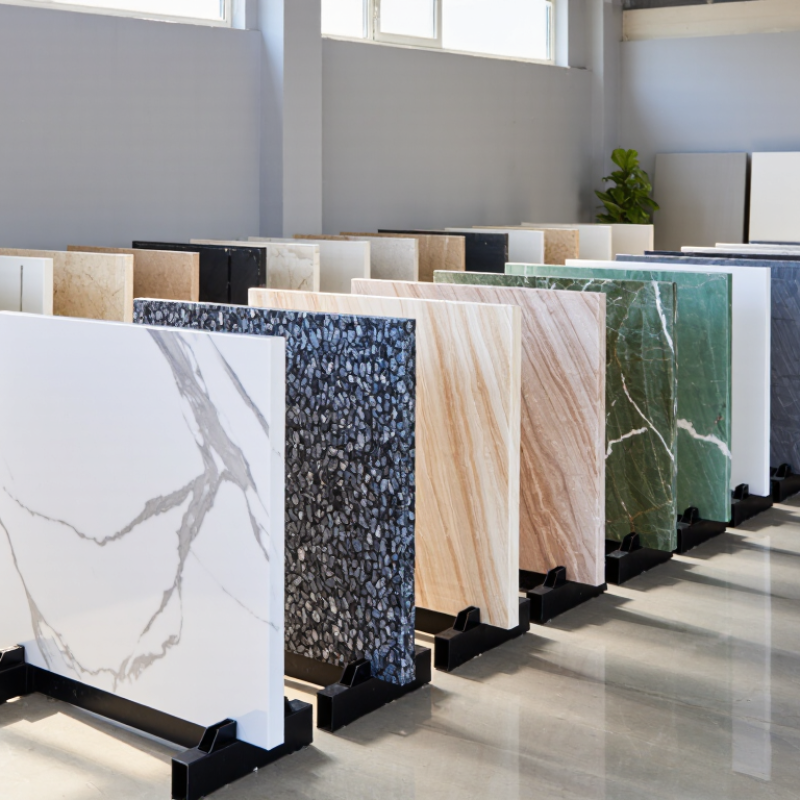
Top 10 Tips How to Choose Natural Stone Materials?

Define Your Project’s Functional and Design Requirements

Before choosing a natural stone, define how the space will be used every day. A busy kitchen needs a surface that handles spills, heat, and repeated cleaning. A bathroom floor requires suitable slip resistance, especially near a shower. Outdoor paving must tolerate rain, frost, and temperature changes. Stone that looks beautiful in a showroom may fail under these conditions.

Measure the area and note the installation environment. Check water absorption, hardness, thickness, and recommended sealing intervals with a qualified supplier or installer. Request a full-size sample, not only a small polished piece. View it beside your cabinets, wall color, and actual lighting. Daylight can reveal warm veins that seem invisible indoors. Keep extra material for future repairs, because natural patterns are rarely identical.

Design still matters, but function should guide the shortlist. Honed finishes often feel calmer and hide small scratches better than high-gloss surfaces. Textured finishes can improve grip, though they may collect dirt. I once selected a pale stone for a high-traffic entry because the sample looked clean and spacious. The finished floor showed marks quickly. That choice was attractive, but not practical enough. Reconsider maintenance honestly: will you wipe spills immediately, or prefer a forgiving surface? A realistic answer is more useful than a perfect design plan.

Compare Stone Types by Durability, Porosity, and Maintenance Needs

Top 10 Tips: How to Choose Natural Stone Materials

Natural stone should be judged by use, not appearance alone. Granite usually handles busy kitchen counters, heat, and frequent cleaning well. Marble offers striking veining, but its softer surface can scratch or etch from lemon juice. Limestone feels warm and natural, yet it often absorbs spills quickly. Check the stone’s hardness and expected wear before choosing it.

Tip: Compare samples under real conditions. Place water, oil, and a few drops of citrus on separate areas. Wait ten minutes, then inspect darkening, marks, or roughness. Porosity matters because a porous stone needs careful sealing and faster spill removal. Sealing reduces absorption, but it does not make the surface completely stain-proof. I have seen sealed stone develop marks when owners assumed it needed no care.

Maintenance needs can change the best choice. Polished finishes may show fingerprints and fine scratches, while honed finishes can hide minor wear better. Ask how often sealing is recommended, which cleaners are safe, and whether repairs require trained specialists. Never rely only on a showroom sample. Lighting can hide pores and uneven color. A sample may also age differently from a full slab. That part is easy to underestimate. Choose a material whose daily care matches your actual habits, not your ideal routine.

Top 10 Tips: How to Choose Natural Stone Materials?

Compare common stone types by durability, porosity, and maintenance needs.

Ratings use a typical 1–5 scale based on commonly reported characteristics of natural stone: higher durability is better, while higher porosity and maintenance scores indicate greater care requirements. Actual performance varies according to stone grade, finish, sealing, installation, and usage conditions.

Evaluate Color, Texture, Pattern, and Surface Finish Options

Choosing natural stone begins with viewing real samples, not only digital images. Screens can shift warm beige toward gray. Hold each slab near daylight, soft indoor light, and the planned cabinetry. Color should support the room’s mood and function. A busy kitchen may benefit from quiet movement. A small entryway can handle stronger variation. Inspect the full slab, because a corner may hide veining or mineral shifts. I once approved a sample too quickly; the installed stone looked darker beside oak flooring. That mistake changed my process.

Texture affects both touch and maintenance. Run your hand across the surface. Honed stone feels soft and shows fewer reflections, while polished stone creates sharper highlights. Flamed or brushed finishes can add grip, but their texture may hold dust. Ask how the finish reacts to water, oil, and daily cleaning. Pattern also needs scale. Fine veins may disappear across a long island, while bold movement can overwhelm a narrow wall. Place taped paper on the floor or wall to judge proportion before ordering. Check edge details, too; a rounded edge softens strong patterns. Do not rely on one small tile. Natural variation is the point, yet excessive inconsistency may frustrate installation. Request samples from different areas of the same batch. Even then, surprises happen. Leave room for that.

Verify Material Quality, Origin, Certifications, and Sample Consistency

Choosing natural stone requires more than a polished surface. Ask for the quarry location, extraction date, and stone classification. A reliable supplier should provide test data for water absorption, density, flexural strength, and abrasion resistance. Inspect several slabs under daylight, not only showroom lighting. Small color changes are normal.

Tip: Verify every certificate.

Check whether certificates are current and issued by an independent, recognized testing body. Match the document details with the shipment, including the stone type, batch number, and test date. Origin records should show traceable quarry information, not vague regional claims. Certifications support trust, but they do not replace physical inspection.

Request samples from the same block or production batch whenever possible. Compare veining, thickness, edge finishing, surface texture, and color under both wet and dry conditions. A small sample can look perfect while larger slabs reveal cracks, open pores, or dramatic pattern shifts. That is an easy mistake to make. For outdoor projects, ask about freeze-thaw performance and slip resistance. For kitchens, confirm stain and chemical resistance.

Tip: Photograph every comparison.

Keep dated photos beside the approved sample and written specifications. This creates a practical reference during delivery inspection. No checklist is flawless; natural stone remains geological material, not factory plastic. Still, careful records make unexpected differences easier to question and resolve.

Calculate Total Costs, Installation Needs, and Long-Term Care Requirements

Top 10 Tips: How to Choose Natural Stone Materials

Choosing natural stone starts with a complete cost calculation, not a sample’s square-foot price. Measure the area carefully and add 10 to 15 percent for cutting waste. Include delivery, taxes, edge finishing, adhesives, grout, sealers, demolition, disposal, and labor. Ask for a written installation quote with clear exclusions. Confirm whether the subfloor needs leveling, waterproofing, or reinforcement. Large slabs may require special handling and extra workers. Outdoor areas also need proper drainage and freeze-thaw suitability. I have seen beautiful stone become expensive after hidden floor damage appeared. That mistake is easy to repeat. Keep a contingency budget for surprises.

Installation conditions should guide the material choice. Porous stone may need sealing before and after installation. Polished surfaces can show scratches, while textured finishes may collect dirt. Request a small test panel before approving the full layout. Check color variation in daylight, not only under showroom lighting. Natural variation is expected, but deep cracks or unstable edges require professional assessment. A qualified installer should explain expansion joints, substrate preparation, cutting methods, and curing times in plain language. Avoid vague promises.

Long-term care also affects the real price. Calculate cleaner, resealing, repairs, and labor over several years. Use pH-neutral products and wipe spills quickly, especially oil, wine, and acidic liquids. Place mats near entrances. Maintenance is not effortless. Keep the stone’s technical data and care schedule. If instructions conflict, pause and seek written guidance from a qualified stone professional.

FAQS

How should I choose natural stone for a busy kitchen?

Choose a stone based on daily use, not appearance alone. Harder surfaces usually handle heat, cleaning, and frequent activity better. Test samples with water, oil, and citrus drops. Wait ten minutes. Inspect darkening, roughness, or marks. A pretty surface can still demand constant care.

Why does porosity matter?

Porous stone absorbs liquids quickly. Oil, wine, and acidic spills may leave visible marks. Sealing reduces absorption but does not make stone stain-proof. Wipe spills promptly. That matters.

Is a polished finish always the best option?

No. Polished surfaces can highlight fingerprints and fine scratches. Honed finishes may hide small wear more effectively. Textured finishes can collect dirt. Match the finish with your cleaning habits.

What should I inspect before accepting stone materials?

Inspect several slabs in daylight, not only showroom lighting. Check color, thickness, veining, cracks, open pores, and edge quality. Compare wet and dry surfaces. Small samples can hide large-slab problems. I might underestimate natural variation.

Which quality documents should I request?

Request quarry details, extraction information, stone classification, and current test data. Useful tests include water absorption, density, flexural strength, and abrasion resistance. Match certificates with the shipment, batch number, and test date. Verify every certificate.

How can I check whether samples match the delivered slabs?

Request samples from the same block or production batch when possible. Keep dated photographs beside written specifications. Compare color, veining, thickness, texture, and finishing. Natural stone will vary. Records make serious differences easier to question.

What costs should be included in a realistic stone budget?

Include material, ten to fifteen percent cutting waste, delivery, taxes, labor, adhesives, grout, sealing, and edge finishing. Add demolition and disposal when required. Large slabs may need extra workers. Keep a contingency budget. Hidden floor damage can change everything.

What should a qualified installer explain?

The installer should explain substrate preparation, leveling, reinforcement, cutting methods, expansion joints, waterproofing, and curing times. Outdoor work also needs drainage and freeze-thaw assessment. Request a small test panel before full installation. Vague promises are not enough.

How should natural stone be maintained after installation?

Use pH-neutral cleaners and remove spills quickly. Place mats near entrances. Follow the recommended resealing schedule. Budget for cleaners, repairs, and future labor. Maintenance is not effortless. If instructions conflict, pause and seek written guidance.

Conclusion

Choosing the right stone begins with understanding your project’s practical and visual goals. How To Choose Natural Stone Materials depends on where the stone will be used, the level of traffic or exposure it will face, and the appearance you want to achieve. Compare options such as granite, marble, limestone, slate, and quartzite by reviewing their durability, porosity, stain resistance, and maintenance requirements. Also consider color, texture, natural veining, pattern variation, and surface finishes to ensure the material complements the overall design.

Before making a final decision, verify the stone’s quality, origin, available certifications, and consistency between samples and delivered materials. A small sample may not represent the full range of natural variation, so inspect larger pieces whenever possible. Finally, calculate the complete cost, including material quantities, cutting, transportation, installation, sealing, cleaning, and long-term care. A balanced choice should provide lasting performance, visual appeal, and practical value within your project’s budget.

Madeline

Madeline

Madeline is a dedicated marketing professional with a wealth of expertise in our company's core offerings. With a keen understanding of the industry, she brings a unique perspective to her role, consistently delivering high-quality content that highlights the superior aspects of our products. As......