When purchasing stone materials, understanding Stone Safety Standards and Guidelines is crucial. These standards ensure that the products are not just aesthetically pleasing but also safe for use. The risks associated with stone can be invisible, hidden behind a beautiful façade. Buyers must recognize that not all stone is created equal.
Navigating the complexities of stone safety can be daunting. Each type of stone has its unique properties and potential hazards. Some stones may contain harmful substances, while others might be prone to cracking or degradation over time. This unpredictability highlights the importance of adhering to established safety standards. Knowledge and diligence are required to make informed choices.
Furthermore, buyers should be cautious of misleading marketing claims. Many suppliers may not fully disclose information about their products. Transparency is vital in the stone industry. Buyers should verify certifications and test results. Trustworthy sources will provide clear documentation. In an industry where safety measures can often be overlooked, taking these steps can make a significant difference in outcome and satisfaction.
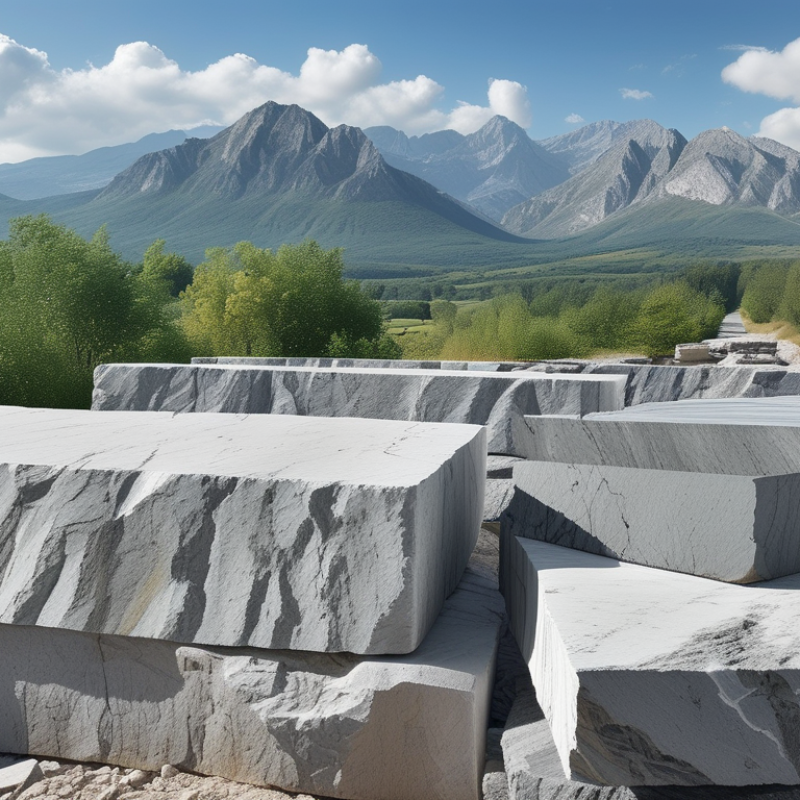
Stone safety standards play a crucial role in ensuring the well-being of consumers and the integrity of the industry. These standards focus on various aspects, including material strength, chemical composition, and physical properties. Buyers must understand these aspects thoroughly before making a purchase.
The guidelines often emphasize the importance of testing for toxicity and durability. Not all stone materials meet safety requirements, and some may contain harmful substances. It’s essential for buyers to demand certifications that confirm compliance with safety regulations. Inspecting the stone for flaws or inconsistencies is also necessary. Flaws can weaken the material and increase the risk of accidents.
While many suppliers claim to adhere to safety standards, the truth can vary. Some may overlook critical testing procedures. This inconsistency raises questions about transparency in the industry. Buyers should research, consult experts, and seek out reliable sources of information. Engaging with knowledgeable professionals can lead to more informed decisions, minimizing risks associated with unsafe stone products.
Compliance with safety regulations is crucial for buyers in the stone industry. Adhering to established safety standards helps protect workers, consumers, and the environment. According to the Natural Stone Institute, improper handling and installation of stone can lead to severe accidents and injuries. It emphasizes the need for certified professionals who understand these guidelines.
Familiarizing yourself with safety regulations can mitigate risks. Always check for compliance certification from suppliers. Regular training sessions for workers on safety practices are also essential. The Occupational Safety and Health Administration (OSHA) reported that 77% of workplace injuries are preventable through training. Investing in proper training pays off in the long run.
Consider environmental impacts as well. Many buyers overlook sustainability when focusing solely on compliance. Research shows that sustainable practices can lower long-term costs. It’s vital to assess suppliers for their adherence to environmental safety standards. Ensure they engage in ethical quarrying methods to protect habitats. Prioritizing compliance and sustainability builds a reputable brand image.
| Standard/Guideline | Description | Importance | Compliance Requirement |
|---|---|---|---|
| ANSI/NAT 138 | Safety standard for stone fabricators. | Ensures worker safety and equipment reliability. | Mandatory for industry compliance. |
| OSHA Guidelines | Occupational Safety and Health Administration principles. | Protects workers from hazardous conditions. | Required by law in workplace environments. |
| ISO 9001 | Quality management systems standard. | Ensures consistent quality in products. | Voluntary but widely adopted for best practices. |
| ANSI Z87.1 | Eye and face protection standard. | Prevents injuries from flying debris. | Required for safety eyewear in construction. |
| ISO 14001 | Environmental management systems. | Promotes sustainable practices. | Recommended for eco-conscious brands. |
| ASTM C119 | Standard terminology relating to natural stone. | Facilitates clear communication in the industry. | Essential for technical specifications. |
| NIOSH Guidelines | National Institute for Occupational Safety and Health protocols. | Ensures a safe working environment. | Followed by all safety-conscious employers. |
| CPR & First Aid Training | Training for emergency response. | Important for handling workplace injuries. | Recommended for all employees. |
| Material Safety Data Sheets (MSDS) | Documents for hazardous materials. | Provides information on safe handling. | Required for all hazardous substances. |
| CFR 1910 | Code of Federal Regulations relating to general industry. | Sets forth occupational safety regulations. | Mandatory compliance for workplaces. |
When selecting safe stone materials, buyers should prioritize understanding the origin of the stone. It is essential to ensure that the stone is sourced ethically and follows safety standards. This attention to sourcing can mitigate risks associated with harmful substances. Consider requesting certification documents that verify compliance with safety regulations.
Another critical guideline is to evaluate the physical properties of the stone. Different types of stone have varying levels of durability, porosity, and slip resistance. For example, granite is known for its hardness and resistance to scratching, while limestone is more porous and can stain easily. Understanding these properties helps buyers make informed decisions about where and how to use different stones.
It's also valuable to consult professionals in the field. An expert can provide insights into the best uses of particular stones. They can help identify any potential hazards related to specific materials. Engaging with knowledgeable sources can reduce the likelihood of purchasing stones that may pose safety risks in the long run. Awareness and education remain key in making responsible choices in stone selection.
When exploring stone safety standards, understanding certification processes is crucial. Certification ensures materials meet safety and quality benchmarks. Many stone types undergo rigorous testing. According to the Natural Stone Institute, nearly 30% of stone products fail initial safety evaluations due to existing flaws or inadequate standards.
Buyers should pay attention to certifications like ANSI, ASTM, and ISO. These organizations set stringent tests for physical and chemical properties. Each certification validates the stone's durability and safety for specific uses. Transparency in these processes builds confidence in the materials chosen.
Tip: Always request certification documents when purchasing stone products. This ensures you are investing in quality materials.
Additionally, be aware of potential discrepancies in testing methods. Variances can exist between manufacturers, which may lead to confusion over product quality. Engaging with suppliers who are open about their testing processes is vital.
Tip: Consult industry reports on stone safety standards. This independent data can provide insights into the reliability of your selected materials.
Ensuring stone safety standards poses unique challenges for buyers. Awareness of potential risks is crucial. Natural variations in stone properties can lead to unexpected outcomes. For instance, some stones may stain easily or fail to meet strength requirements. Buyers must understand these risks clearly to make informed decisions.
Testing and certification of stone products are essential yet sometimes inconsistent. Different countries have various standards, leading to confusion. Not all suppliers adhere to the same safety guidelines. This inconsistency can compromise the integrity of installations. Engaging with experts in the field can help bridge this knowledge gap.
Moreover, understanding proper maintenance plays a significant role in stone safety. Improper care can lead to degradation over time. Buyers should seek advice on preserving stone longevity. Identifying quality sources for care products is vital. Continuous education about stone types and safety practices is necessary for making safe choices.
: Compliance protects workers, consumers, and the environment from accidents. It avoids severe injuries and enhances safety standards.
Buyers should always check for compliance certification from suppliers. Requesting certification documents is a good practice.
Regular training can prevent up to 77% of workplace injuries. It is crucial for workers to understand safety practices.
Evaluate if suppliers engage in ethical quarrying. Check for their adherence to environmental safety standards.
Understand the stone's origin, physical properties, and safety certifications. This helps in making safe choices.
Different stones vary in durability, porosity, and slip resistance. For example, granite resists scratches, while limestone stains easily.
Experts can offer valuable insights on safe stone usage. They also help identify potential hazards with specific materials.
Sustainable practices lower long-term costs and build a reputable brand. This aspect is often overlooked when prioritizing compliance.
Improper handling can lead to severe accidents. Awareness of safety guidelines is critical to mitigate such risks.
Ignoring safety guidelines can lead to injuries and liability issues. Reflecting on compliance can prevent costly mistakes.
The article "Top 10 Stone Safety Standards and Guidelines for Buyers" provides a comprehensive overview of the importance of adhering to Stone Safety Standards and Guidelines in the industry. It emphasizes that compliance with these safety regulations is crucial for buyers to ensure not only the quality of stone materials but also the health and safety of those who utilize them.
Key guidelines for selecting safe stone materials are discussed, which include evaluating sources, understanding certification processes, and being aware of potential hazards associated with certain stone types. The article also addresses the challenges in maintaining stone safety standards and offers solutions for buyers to navigate these complexities effectively. Overall, following these Stone Safety Standards and Guidelines helps buyers make informed decisions and fosters a safer purchasing environment.

Jieda Stone