The stone industry is undergoing a remarkable transformation driven by Innovations In Stone Industry Trends. These advancements are reshaping how professionals approach design, extraction, and processing. New technologies and methods enhance efficiency and sustainability, responding to an ever-evolving market demand.
From eco-friendly material sourcing to cutting-edge machinery, the innovations are diverse. They cater to both aesthetic and functional requirements. For instance, advanced cutting tools improve precision while reducing waste. However, the rapid pace of change can be overwhelming for some industry players. Embracing these trends requires adaptability and a willingness to learn.
As we explore the top innovations, it’s essential to consider their impact on the industry. While these advancements offer numerous benefits, they also present challenges. Companies must balance innovation with tradition. To thrive in this dynamic landscape, professionals must stay informed and open to change.
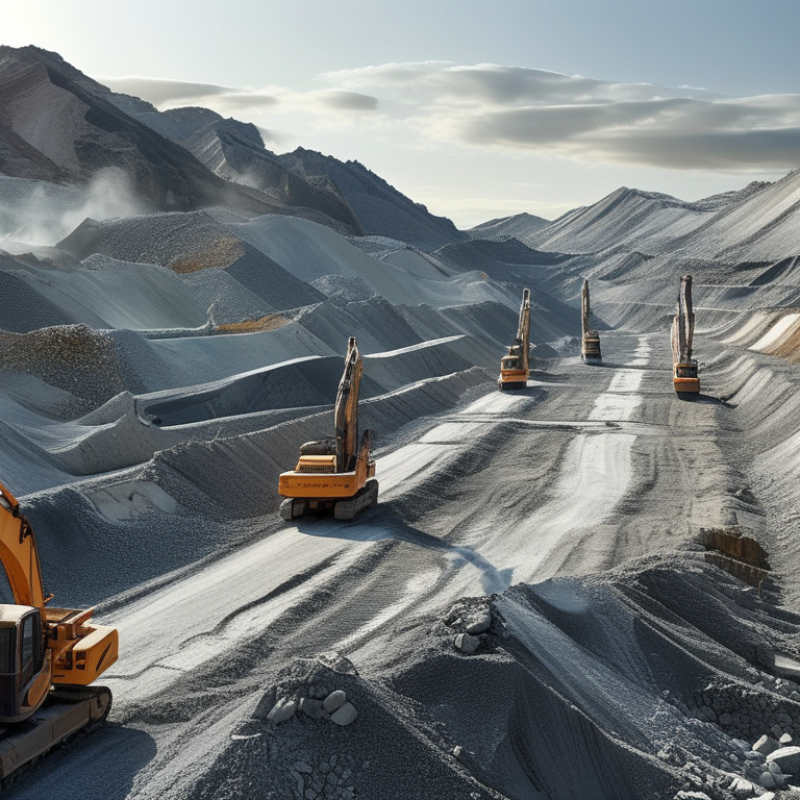
Innovative cutting technologies are reshaping the stone industry in significant ways. Advanced laser cutting techniques, for instance, improve precision and reduce material waste. Studies indicate that these technologies can yield up to 30% more usable material. By employing high-speed saws, companies experience quicker turnaround times. This shift helps businesses meet rising consumer demands for speed and customization.
Waterjet cutting, another innovation, offers versatility. It can cut various materials without heat-affected zones. This method minimizes cracks and chips in delicate stone types. Reports suggest that the global waterjet cutting market is expected to grow at a rate of 6.2% annually. As these techniques gain traction, there’s a pressing need for skilled operators. Training programs are critical to ensure safety and efficiency.
Tips: Embrace continuous learning. Keep an eye on the latest technology trends. Staying updated can boost your business's competitive edge. Remember, not all innovations suit every project, so assess your needs carefully. Experiment with different methods to find the perfect fit for your operations.
Sustainable practices are reshaping the stone industry in remarkable ways. Recent reports indicate that nearly 67% of stone companies are adopting eco-friendly materials and methods. This shift is crucial, as traditional quarrying often leads to environmental degradation. Companies are now exploring technologies that minimize waste and reduce carbon footprints.
Recycling stone waste is gaining traction. A notable 30% of stone products are now derived from recycled materials. This not only conserves resources but also lowers production costs. Furthermore, innovative processing techniques, like water recycling systems, are significantly reducing water usage by up to 40%. These advancements highlight a commitment to sustainability.
Some challenges persist, however. The initial investment in green technologies can be high. Many companies struggle to balance costs and environmental goals. Training personnel in sustainable practices remains a hurdle. Overall, while the industry is moving towards a greener future, reflection on these challenges is necessary for continued progress.
In the stone quarrying industry, smart automation and artificial intelligence are driving significant shifts. Automated systems now monitor equipment performance, reducing downtime and increasing productivity. AI algorithms analyze geological data, identifying optimal extraction points. This technology helps operators make better decisions, yet implementing it poses challenges.
Adopting smart automation requires proper training for workers. Some still prefer traditional methods, fearing job loss. There’s skepticism about reliability too; machines fail, and human oversight is crucial. Yet, when balanced correctly, these innovations enhance efficiency. For instance, drones can assess large quarry sites quickly, but they rely on skilled operators to interpret the data accurately.
Embracing AI can optimize processes, but it’s essential to address inherent imperfections. Algorithms sometimes miss anomalies that experienced workers would catch. Continuous feedback between technology and human expertise will refine operations. The future of stone quarrying lies in this synergy, combining advanced tools with the seasoned knowledge of workers.
Innovative surface finishing techniques are redefining aesthetic value in the stone industry. Today, stone surfaces can showcase a variety of textures, colors, and patterns, enhancing their appeal. Techniques like honing and polishing are commonly used, but advancements are pushing these boundaries even further. These processes can create unique, eye-catching finishes that elevate any space.
Tips: Always consider the type of stone you are working with. Some stones react differently to various finishing methods. Test on a small area first. Also, keep in mind that intricate finishes can be high maintenance. Regular care is essential to keep surfaces looking fresh.
The current trend leans toward sustainable practices in surface finishing. Eco-friendly sealants and finishes are gaining traction. This not only benefits the environment but also enhances the longevity of the stone. However, finding the right balance between aesthetics and sustainability can be difficult. You may need to experiment with different products to achieve desired results.
Tips: Research the environmental impact of your chosen products. Read reviews and gather feedback from other professionals. This insight can save time and ensure quality outcomes. Remember, the goal is to create beautiful, lasting surfaces while being gentle on the planet.
The stone industry is evolving rapidly, influenced by innovative materials. One significant trend is the use of engineered stone, which combines natural stone with resins. According to a recent industry report, the engineered stone segment is projected to grow at a CAGR of over 10% in the next five years. This growth highlights the demand for sustainable and versatile options in both residential and commercial applications.
Another emerging material is recycled stone. Increasingly popular for its eco-friendly attributes, this option reduces waste. Many architects are integrating recycled stone into their projects, driven by growing environmental awareness. Reports indicate that around 30% of new stone products are now sourced from recycled materials, signaling a shift toward sustainability in the industry.
Despite these advancements, challenges remain. The durability of some emerging materials is still debated. Questions about their long-term performance in harsh conditions can deter some industry professionals. It’s essential to remain cautious and continue researching these alternatives to ensure they meet the rigorous demands of modern construction. The impact of these innovations on stone applications is undeniable, yet the industry must navigate these complexities carefully.
: Automation monitors equipment, reduces downtime, and increases productivity in stone quarrying.
AI analyzes geological data to identify optimal extraction points, aiding operators in decision-making.
Workers require training, and some resist due to fears of job loss and concerns about machine reliability.
Machines can fail; experienced workers catch anomalies that algorithms might miss, ensuring efficient operations.
Innovative techniques enhance aesthetics with various textures and colors, pushing traditional boundaries.
Always test a small area first, as different stones react uniquely to various techniques.
Sustainable sealants and finishes enhance longevity while benefiting the environment, but finding balance is tough.
Engineered stone is projected to grow over 10% in the next five years due to its versatility and sustainability.
Recycled stone reduces waste and attracts architects focused on eco-friendly solutions in their projects.
There are debates about the durability of new materials, requiring ongoing research to ensure performance standards.
The article "Top 10 Innovations Transforming the Stone Industry Trends" highlights significant advancements that are reshaping the sector. Innovations in stone industry trends include cutting-edge technologies that enhance stone processing efficiency, allowing for intricate designs and improved precision. Moreover, sustainable practices are becoming integral to stone extraction and production, promoting environmental responsibility across the industry.
Additionally, the integration of smart automation and artificial intelligence in stone quarrying is optimizing operations, reducing labor costs, and increasing safety. New surface finishing techniques are being developed to enhance the aesthetic appeal of stone products, catering to evolving consumer preferences. Finally, the introduction of emerging materials is broadening the scope of stone applications, making them more versatile and appealing in modern construction and design. Together, these innovations signify a transformative shift in the stone industry, setting the stage for a more efficient and sustainable future.

Jieda Stone