In today’s world, the importance of Sustainable Stone Sourcing Practices cannot be overstated. As the industry faces scrutiny, experts emphasize its significance. John Raymond, a leading figure in sustainable architecture, states, “Sourcing stone responsibly produces not just quality materials, but also a healthier planet.” This highlights the direct link between ethical sourcing and environmental impact.
Implementing Sustainable Stone Sourcing Practices requires a comprehensive understanding of both natural resources and market demands. Companies must prioritize transparency in their supply chains. This means knowing the origin of the stone and the methods used in its extraction. Many practices are still outdated, leading to environmental degradation and unethical labor conditions. This not only harms communities but ultimately affects the industry’s credibility.
Moreover, organizations must remain open to feedback. They should continually assess their sourcing strategies. While many companies adopt sustainable practices, gaps still exist that need addressing. The journey towards truly sustainable stone sourcing involves reflection and commitment. It’s about achieving balance between quality, ethics, and environmental stewardship.
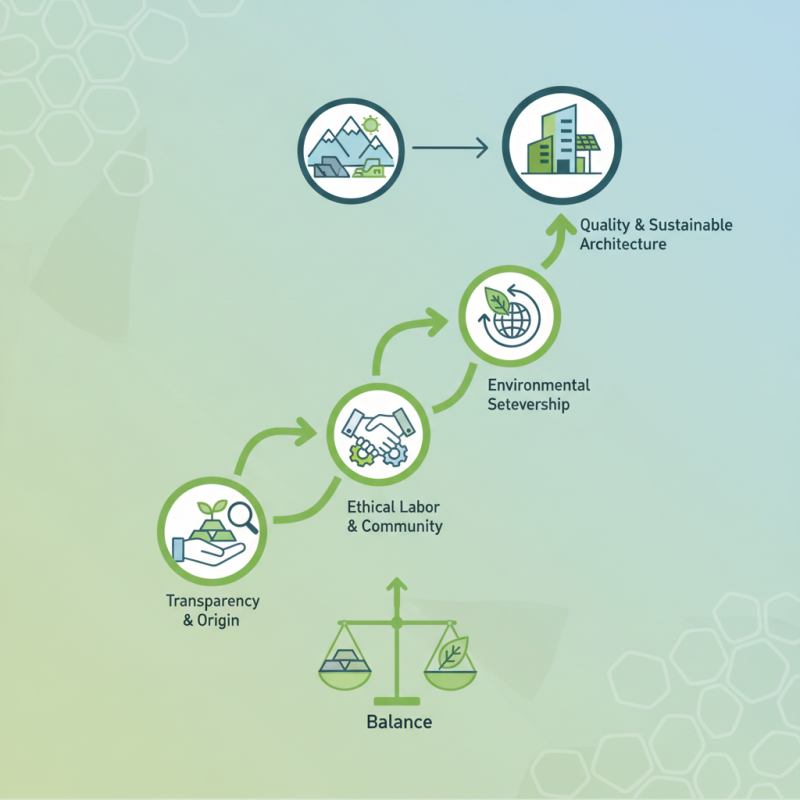
Sustainable stone sourcing hinges on understanding its definitions and significance. Sustainable stone refers to materials that are extracted with minimal environmental impact. This practice is essential as the global demand for natural stone continues to rise. According to a report by the Natural Stone Council, up to 70% of the new stone production is unsustainable. This statistic underlines the urgent need for responsible sourcing practices.
Sustainable stone benefits both the environment and the economy. By minimizing quarrying impact, we preserve biodiversity and reduce carbon footprints. A study from the International Network for Sustainable Energy emphasizes that sustainable practices can lower emissions by 30%. This is a compelling reason for the industry to adopt better methods.
Tips for implementing sustainable practices include prioritizing suppliers who use eco-friendly extraction techniques. Verify certifications to ensure compliance with sustainability standards. Engage in local sourcing to cut transportation emissions and support regional economies. Regular audits can reveal inefficiencies and areas for improvement. Reflect on the supply chain and continuously seek innovative, responsible solutions.
: Traditional methods lead to deforestation, soil erosion, and ecosystem destruction. They contribute significantly to global environmental degradation.
Companies can adopt eco-friendly techniques like selective mining and biotechnological methods. These practices minimize waste and habitat disruption.
Understanding the lifecycle helps assess environmental costs from extraction to disposal. This knowledge aids in making better sourcing choices.
Certifications promote sustainable practices by guiding companies. They assure consumers that materials are sourced responsibly.
No, some certifications may lack rigor and offer false assurance. Researching their credibility is essential for consumers.
Many suppliers resist sharing information due to competitiveness concerns. This reluctance hinders efforts for greater transparency.
Encouraging participation and sharing benefits of certified sourcing can strengthen relationships. This approach promotes ethical practices.
Consumers should inquire about materials' origins and look for certifications. This promotes accountability in sourcing.
Investing in technology can minimize habitat disruption. Innovations transform harmful methods into safer alternatives.
Engaging local communities in sourcing decisions can lead to better practices. Their insights can benefit all stakeholders involved.
Sustainable Stone Sourcing Practices are essential for minimizing the environmental impact of stone extraction while promoting responsible resource use. This approach begins with a clear understanding of sustainable sourcing definitions and their significance in the construction industry. Evaluating the environmental impact of various stone extraction methods allows companies to make informed decisions that prioritize ecological balance.
To enhance the effectiveness of sustainable practices, it is crucial to identify reliable stone suppliers who adhere to specific sustainability criteria and practices. Implementing established certifications and standards further ensures compliance with global sustainability goals. Lastly, promoting transparency and traceability within the stone supply chain builds trust and accountability, allowing consumers and businesses to make conscious choices that support environmental sustainability. Overall, adopting these Sustainable Stone Sourcing Practices fosters a responsible relationship with natural resources and contributes to a more sustainable future.

 Jieda Stone