How to Recycle and Reuse Stone Waste Ideas?

Time:2026-09-18 Author:Sienna
0%

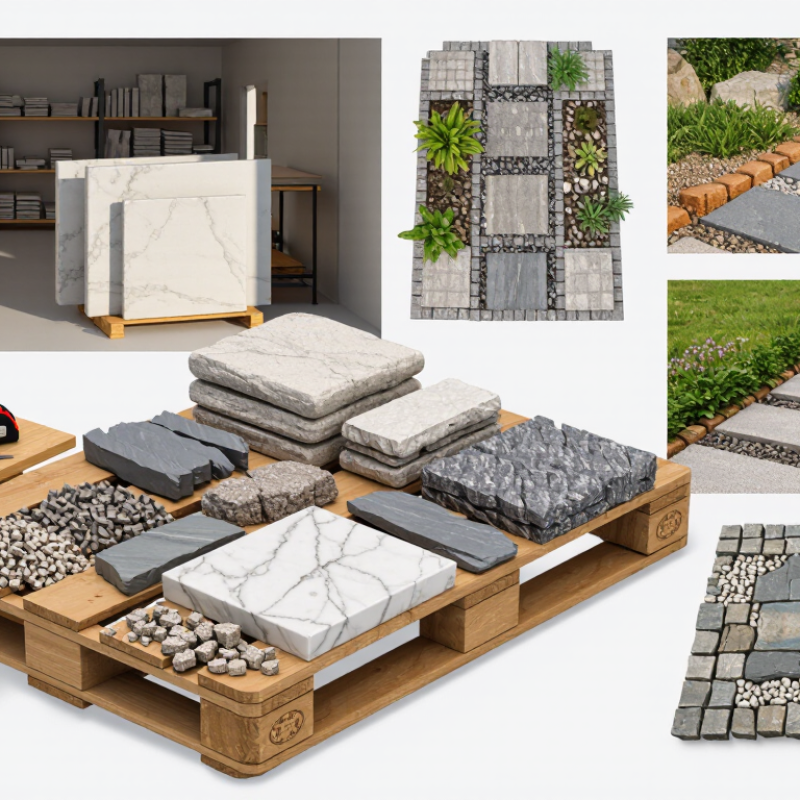
Stone waste often looks like a problem, but it can become a useful material with careful planning. During renovation projects, broken marble, granite offcuts, slate pieces, and dusty fragments often fill heavy bags within hours. Experienced fabricators know that much of this material still has value. Large slabs can become garden edging, stepping stones, shelves, or small tables. Smaller pieces may work as mosaic details, drainage layers, or decorative mulch when suitable for the setting.

This guide explores practical Stone Recycling And Reuse Ideas for homes, workshops, landscaping projects, and construction sites. It focuses on sorting materials by size, thickness, surface condition, and stone type. Clean storage matters. A covered pallet can prevent stains, soil, and moisture from damaging reusable pieces. Basic tools also improve results, including gloves, eye protection, a dust mask, measuring tools, and suitable cutting equipment. Professional fabricators should inspect every piece for hidden cracks before reuse.

Not every fragment deserves saving. That is easy to forget. Some pieces break unpredictably, while others create excessive dust during cutting. Testing a small section first can prevent wasted time and money. I have found that simple designs often perform better than ambitious ones. Reuse plans should also consider transport weight, installation stability, drainage, and the intended environment. Reliable advice from qualified stone professionals can reduce mistakes, especially with load-bearing or outdoor applications. The best results combine practical experience, responsible material handling, and honest evaluation of what the stone can safely become.
How to Recycle and Reuse Stone Waste Ideas?

Identify and Sort Stone Waste by Source, Size, and Contamination

How to Recycle and Reuse Stone Waste Ideas?

Identify and Sort Stone Waste by Source, Size, and Contamination

Stone waste becomes easier to reuse when its origin is recorded clearly. Start by separating fabrication offcuts, demolition debris, installation leftovers, and quarry fines. Fabrication pieces are often clean and suitable for shelves, pavers, or small landscape details. Demolition debris may contain mortar, grout, wood, or metal. Quarry fines usually need different handling because their particles are extremely small. Keep each source in a labeled area. This history matters.

Measure pieces before deciding their next use. Large slabs can become steps, benches, or cut-to-size panels. Medium fragments may suit mosaics, edging, or drainage layers. Fine material can support approved fill applications after suitable testing. Inspect every batch under good lighting. Look for oil stains, paint, adhesive, rust, and mixed materials. Use separate containers for clean, uncertain, and contaminated stone. Do not assume a dusty surface is clean.

The first sorting attempt is rarely perfect. A small mistake matters. In practice, workers should photograph unusual pieces and record their condition. Simple notes improve decisions later. If contamination cannot be identified confidently, isolate the material and seek qualified technical advice before reuse. Clean stone has greater value, but reliable sorting protects both the project and the people handling it.

Measure Recovery Potential: Quarry Waste Can Reach 20–30% of Output

How to Recycle and Reuse Stone Waste Ideas?

Measure Recovery Potential: Quarry Waste Can Reach 20–30% of Output

Quarry waste is often underestimated. Industry assessments place waste rock, fines, and offcuts at 20–30% of total quarry output. For a 100,000-ton operation, that equals 20,000–30,000 tons of material. The figure is not universal. Rock quality, cutting methods, and deposit structure can change it sharply.

The U.S. Geological Survey reported about 1.9 billion metric tons of crushed stone production in the United States in 2023. Even a small recovery improvement could redirect millions of tons from low-value storage. European Commission JRC guidance also treats extractive waste management as a major technical and environmental priority. In practice, coarse fragments can become aggregate, while clean stone dust may support blocks, pavers, or engineered fill. Contamination remains the problem.

Measure before investing.

Tips: Weigh waste by category for at least four weeks. Record moisture, particle size, color, and contamination. Test samples before promising concrete or paving performance. Keep attractive offcuts separate from mixed fines. A simple recovery map often reveals value hidden beside the cutting line. Yet reuse is not automatically sustainable; transport distance and extra processing can erase the benefit. That part deserves more honest calculation.

Process Clean Stone into Aggregate Under EN 12620 or ASTM C33

How to Recycle and Reuse Stone Waste Ideas?

Clean stone waste can become useful concrete aggregate when the process is controlled. Begin by removing soil, wood, metal, plaster, and other foreign materials. A manual inspection helps, but it cannot replace testing. Wash dusty pieces when necessary, then allow them to drain properly. Excess moisture can change the final grading result.

Crush the stone in stages instead of forcing large pieces through one machine. Primary crushing reduces size, while secondary crushing improves particle shape. Screens then separate the material into controlled fractions. Oversized particles should return to the crusher. Fine dust needs careful management because too much filler may increase water demand in concrete. The process is not always efficient.

For concrete use, evaluate the recycled aggregate against EN 12620 or ASTM C33, depending on the project specification. Check particle-size distribution, cleanliness, density, water absorption, soundness, and abrasion resistance. Also test harmful impurities and weak particles. A clean appearance can be misleading. This is where many recycling plans need reconsideration. Laboratory results, not visual judgment, should guide acceptance. Trial batches can reveal unexpected workability loss or higher water demand. Record the source, crushing date, stockpile location, moisture condition, and test results. Keep recycled aggregate in separate, labeled piles. Local engineers may require additional limits, especially for structural concrete. If the material fails one requirement, use it in a less demanding application rather than ignoring the result.

Recycled Stone Waste: ASTM C33 No. 57 Aggregate Gradation

The chart shows the ASTM C33 gradation envelope for No. 57 coarse aggregate, expressed as the percentage passing each sieve. Cleaned and properly crushed stone waste can be screened to meet this envelope. EN 12620 projects should use the declared grading category and applicable national requirements, with laboratory sieve analysis used to verify compliance.

Dewater Stone Slurry and Test Moisture, pH, and Heavy Metals

Stone slurry can look harmless: pale water, fine grit, and a heavy layer settling in a tank. It is not ready for reuse yet. Dewatering should begin with a settling basin, filter press, or geotextile tube. The recovered water can return to cutting operations when testing confirms stable quality. The cake can support blocks, fillers, or controlled soil improvement, depending on its chemistry.

Moisture testing needs a repeatable method. ASTM D2216 measures water content by oven drying and weighing the sample before and after heating. Record the sampling location, date, and cake depth. A surface sample may look dry while the center remains soft. It happens often.

EPA guidance recommends measuring pH with calibrated equipment and documented quality controls. A practical target is a consistent pH trend, not one convenient reading.

Heavy-metal screening deserves more attention than visual inspection. EPA SW-846 methods provide laboratory procedures for metals such as lead, chromium, cadmium, and arsenic. Test both slurry water and dried solids. Results should be compared with the applicable reuse criteria for the site. The U.S. EPA reported about 600 million tons of construction and demolition debris in 2018, with roughly 455 million tons recovered. Stone waste belongs in that recovery discussion. USGS Mineral Commodity Summaries 2024 reported approximately 1.9 billion metric tons of crushed stone produced in the United States during 2023, showing the scale of mineral processing. Still, production volume is not a waste estimate. That distinction matters. My own review would require duplicate samples and a second laboratory check before reuse, because one clean test can create false confidence.

Compare Reuse Results with the EU’s 70% C&D Waste Recovery Target

Stone waste can help projects approach the EU’s 70% construction and demolition waste recovery target. However, recovery is not the same as simple reuse. EU measurement commonly considers preparation for reuse, recycling, and other material recovery by weight. Naturally occurring excavated soil and stone may receive different treatment, so project teams should check the applicable reporting rules.

On site, clean granite offcuts can become paving pieces, retaining-wall blocks, or drainage layers. Crushed stone can replace part of the aggregate in sub-base work. These uses reduce disposal volumes and transport demand.

Yet results depend on sorting quality. A mixed skip filled with mortar, timber, and wet soil often loses much of its recovery value. I have seen carefully separated stone reused quickly, while poorly recorded batches created costly delays.

The honest lesson is simple: good intentions do not prove a 70% recovery rate.

Tips:

  • Weigh stone before and after processing.
  • Record its original source, destination, and final use.
  • Keep reusable pieces dry and separated from plaster, insulation, and general debris.
  • Test recycled aggregate when structural performance matters.
  • Compare your recovered tonnage with total C&D waste, not with stone waste alone.
  • A small trial area can reveal cracking, dust, or handling problems before wider use.
  • Review the figures with an independent waste specialist, because inaccurate estimates can make performance appear better than it is.

FAQS

What are the main sources of stone waste?

Separate fabrication offcuts, demolition debris, installation leftovers, and quarry fines. Each source has different reuse potential. Keep them in labeled areas. This history helps later decisions.

How should stone waste be sorted by size?

Large slabs can become steps, benches, or cut-to-size panels. Medium pieces suit mosaics, edging, and small landscape features. Fine particles may support approved fill uses after testing. Measure before choosing.

How can contamination be identified?

Inspect every batch under bright lighting. Look for oil, paint, adhesive, rust, mortar, wood, and metal. A dusty surface may still be contaminated. Keep uncertain material isolated.

What should happen when contamination is unclear?

Place the material in a separate container. Record photographs and short condition notes. Do not reuse it immediately. Qualified technical advice may be necessary.

How much quarry waste might require recovery planning?

Some quarry operations report waste levels around 20–30% of output. A 100,000-ton operation could produce 20,000–30,000 tons. The actual amount varies widely. Measure your own material.

What information should be recorded during a waste audit?

Weigh each waste category for at least four weeks. Record moisture, particle size, color, source, and contamination. Track material before and after processing. Simple records reveal hidden value.

Which reuse options suit clean stone waste?

Clean offcuts can become paving pieces, shelves, benches, or retaining-wall blocks. Crushed stone may replace part of aggregate in sub-base work. Stone dust may suit blocks or engineered fill after testing. Not every attractive piece performs well.

How can a project test reuse before expanding it?

Build a small trial area first. Check for cracking, dust, drainage problems, and handling difficulties. Compare recovered weight with total construction waste. The first trial may disappoint. That is useful.

Conclusion

Stone Recycling And Reuse Ideas begin with a clear assessment of the material. Stone waste should be identified and sorted according to its source, size, and level of contamination. Quarry operations may generate waste equal to 20–30% of total output, making recovery planning an important way to reduce disposal and improve resource efficiency. Clean, durable fragments can be crushed and graded into aggregate for concrete and construction applications, provided they meet relevant requirements such as EN 12620 or ASTM C33.

Fine stone slurry requires a different process. It should be dewatered carefully, then tested for moisture content, pH, and possible heavy metals before reuse or disposal decisions are made. Depending on its quality, the recovered material may support engineered fill, cement-related products, or other suitable applications. Finally, recovery results should be measured against project goals and compared with the European Union’s 70% construction and demolition waste recovery target. Consistent testing, documentation, and source separation can improve both environmental performance and material value.

Sienna

Sienna

Sienna is a skilled marketing professional with a deep expertise in our company’s core products and services. With a passion for innovation and detail, she plays a pivotal role in crafting insightful blog posts that not only highlight the unique features of our offerings but also provide valuable......