Choosing the right stone texture and finish can significantly impact your project's aesthetics and longevity. According to the Marble Institute of America, the surface finish of natural stone contributes to its durability and maintenance requirements. With various options available, understanding stone texture and finish comparison is crucial for buyers seeking quality and suitability for their specific needs.
Surface finishes such as honed, polished, and textured have different appearances and functionalities. Each finish can alter perceptions of color and depth, affecting the overall design. For instance, polished finishes tend to reflect light, enhancing the vibrancy of natural stone. Conversely, honed finishes provide a more subdued look, showcasing the stone's natural beauty without glare.
Navigating these choices can be challenging. Buyers must consider maintenance requirements, installation challenges, and how the finish fits within their overall design goals. A thoughtful approach can yield stunning outcomes, but overlooking details could lead to disappointing results. Hence, a robust comparison of stone textures and finishes is essential for making informed decisions in your projects.
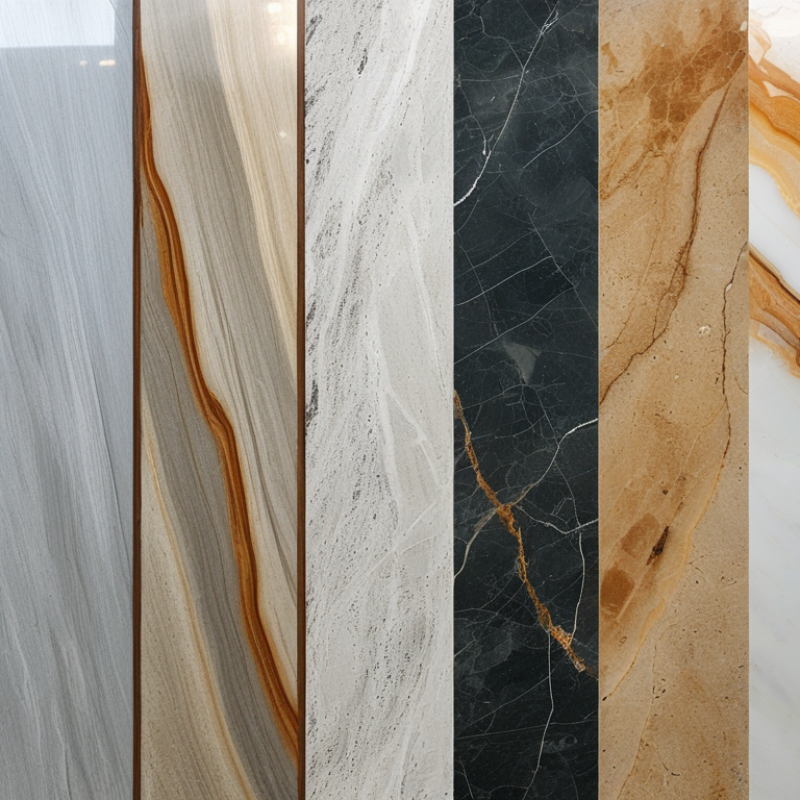
Types of Stone Textures Available for Buyers
When choosing stone textures, buyers encounter various styles that suit different tastes and applications.
One popular option is honed stone, known for its smooth and matte finish.
This texture is ideal for indoor spaces, offering a sophisticated touch.
However, its non-reflective nature may not appeal to everyone.
Some buyers prefer polished stone, which features a glossy surface that reflects light beautifully.
While stunning, this texture can be slippery, posing potential safety concerns.
Another option is rough or split-faced stone, providing a rugged and natural appearance.
This texture works well for outdoor applications.
However, its uneven surface can make cleaning more challenging.
Buyers must weigh the benefits of aesthetics against practicality.
Additionally, tumbled stone offers a weathered look with softer edges.
This texture blends well in both rustic and modern settings but may not suit formal designs.
The variety of stone textures available allows for personalization,
but choosing the right one requires careful consideration and reflection on the intended use.
Comparing Various Stone Finishes: Pros and Cons
When choosing a stone finish, it's crucial to weigh its pros and cons.
Natural finishes, like honed stone, provide a matte look. They feel luxurious underfoot and resist slipping.
However, they can stain easily. Thus, regular sealing is essential.
Polished finishes, on the other hand, gleam and enhance colors. They offer a sophisticated touch but require diligent upkeep to maintain their shine.
Scratches can become more visible, and they may be slippery when wet.
One option to consider is a textured finish, which combines aesthetics and practicality.
Textured stone provides grip and visual interest. However, it can be more challenging to clean due to the surface's uneven nature.
Buyers should think carefully about the maintenance implications.
Should you choose beauty over ease of care?
This choice requires honest reflections on your lifestyle.
Tips for maintaining stone finishes are paramount. For polished surfaces, use a soft cloth and a neutral cleaner.
Avoid harsh chemicals that can dull the finish. For textured stones, a mild detergent and a soft brush can do wonders.
Regular sealing protects the stone, regardless of the finish, and extends its life.
Remember, a well-maintained stone surface can enhance your space beautifully.
Factors to Consider When Choosing Stone Textures
When choosing stone textures, various factors should be evaluated. Stone finishes can significantly impact the overall appearance and functionality of the material. For example, polished finishes offer a glossy, reflective quality that enhances colors but may require more maintenance. According to a report by the Natural Stone Institute, about 70% of consumers prefer honed surfaces for their practicality and aesthetic appeal.
Texture plays a critical role in determining slip resistance. A study by the American Society for Testing and Materials found that textured finishes can improve safety, especially in wet areas. While rough textures can provide grip, they may also hide dirt and be harder to clean. Balancing aesthetics with functionality is essential. Choices like brushed or sandblasted textures offer unique visuals but may not be ideal for all environments.
Cost considerations also come into play. Textured stones often demand higher prices due to the additional processing involved. A survey indicated that up to 40% of homeowners are willing to pay for high-quality finishes, recognizing their long-term value. Understanding your priorities—maintenance, aesthetics, and budget—will help guide your choices in the complex landscape of stone textures.
Stone Texture and Finish Comparison
This chart compares the hardness and porosity of different stone textures commonly used in construction and design. Hardness is measured on the Mohs scale, while porosity represents the percentage of void space in the stones.
Maintenance Tips for Different Stone Finishes
When it comes to maintaining different stone finishes, attention to detail is crucial. Each type of stone requires specific care to ensure longevity. For polished finishes, avoid harsh chemicals. Instead, use a pH-balanced cleaner. A simple mix of warm water and mild soap can work wonders. Always opt for a soft cloth to prevent scratches.
For honed finishes, sealing is important. This type of stone is more porous, making it susceptible to stains. Apply a high-quality sealant every 6 to 12 months. Be mindful of spills; clean them immediately to prevent absorption. Regular sweeping can also help reduce scratches.
Textured finishes may require a different approach. Use a stiff brush to clean dirt and debris from crevices. A gentle, natural stone cleaner is ideal. In some cases, a deep clean with specialized products might be necessary. Always read directions carefully to avoid damaging the stone. Each finish has unique needs; understanding them is essential for lasting beauty.
Stone Texture and Finish Comparison Guide for Buyers
| Stone Type |
Finish Type |
Texture |
Maintenance Level |
Durability |
| Granite |
Polished |
Smooth |
Low |
High |
| Marble |
Honed |
Satin |
Medium |
Medium |
| Limestone |
Brushed |
Textured |
High |
Low |
| Slate |
Natural |
Rustic |
Medium |
High |
| Soapstone |
Oiled |
Smooth |
Low |
Medium |
How to Choose the Right Stone for Your Project
Choosing the right stone for your project can be daunting. Start by considering the stone's intended use. For a kitchen countertop, durability is key.
Granite offers resilience, while marble brings elegance. Both have unique textures that affect their practicality.
Next, think about the finish. A polished surface shines beautifully but shows stains more easily. A honed finish, though less glossy, can be more forgiving. Remember that a textured stone may hide dirt but can be tougher to clean.
Investigate the maintenance needs of each finish to find the balance that suits you.
Consider the stone’s color and pattern. Natural stones have variations that add uniqueness but might not suit every design.
It's crucial to visualize how these elements will work together in your space. Be aware of potential mismatches in color or texture.
Selecting stone is a process that requires careful reflection. Always ask yourself if the stone meets your style and functional needs.
FAQS
: The main types include honed, polished, and textured finishes. Each has unique characteristics.
Use a soft cloth and a pH-balanced cleaner. Avoid harsh chemicals for best results.
Honed finishes are porous and prone to stains. Regular sealing protects the surface.
A stiff brush and mild natural stone cleaner. This helps remove dirt from crevices.
Each finish has different maintenance needs. Consider the balance between beauty and care.
Think about durability, finish type, color, and pattern. Each choice impacts both style and function.
Yes, its uneven surface can be challenging, requiring more effort and care.
Yes, polished surfaces are often more slippery, especially when wet. Caution is advised.
Apply sealant every 6 to 12 months to maintain its integrity and appearance.
Overlooking maintenance needs and mismatched colors can lead to regrets later on.
Conclusion
The "Stone Texture and Finish Comparison Guide for Buyers" provides an insightful overview of the various stone textures available in the market, highlighting their unique characteristics and applications. It delves into comparing different stone finishes, discussing their respective pros and cons, enabling buyers to make informed decisions based on their project requirements.
Key factors to consider when selecting stone textures are addressed, including durability, aesthetic appeal, and maintenance needs. The guide also offers essential maintenance tips for different stone finishes, ensuring longevity and optimal appearance. By following the structured advice on how to choose the right stone for your project, buyers can confidently navigate through the options available and select the ideal stone texture and finish for their needs. This comprehensive comparison is invaluable for anyone looking to make a sound investment in stone materials.

 Jieda Stone