Choosing the right materials for construction or renovation can significantly impact aesthetics and functionality. Natural stone has gained popularity for its beauty and durability. However, the discussion around the pros and cons of natural stone is essential for informed decisions. Understanding its benefits and potential drawbacks can help homeowners and designers tailor their projects effectively.
The pros and cons of natural stone include various aspects such as cost, maintenance, and environmental impact. While natural stone offers a timeless elegance, it may require specialized care. Additionally, some stones may be more expensive than manufactured options. Each decision entails weighing these factors. There’s no one-size-fits-all answer, as personal preference plays a significant role.
Exploring the pros and cons of natural stone can guide you in making a thoughtful choice. Knowledge of each aspect can reveal whether it complements your style and needs. It invites reflection on what is truly valuable in your living spaces. Make a decision that balances beauty and practicality.
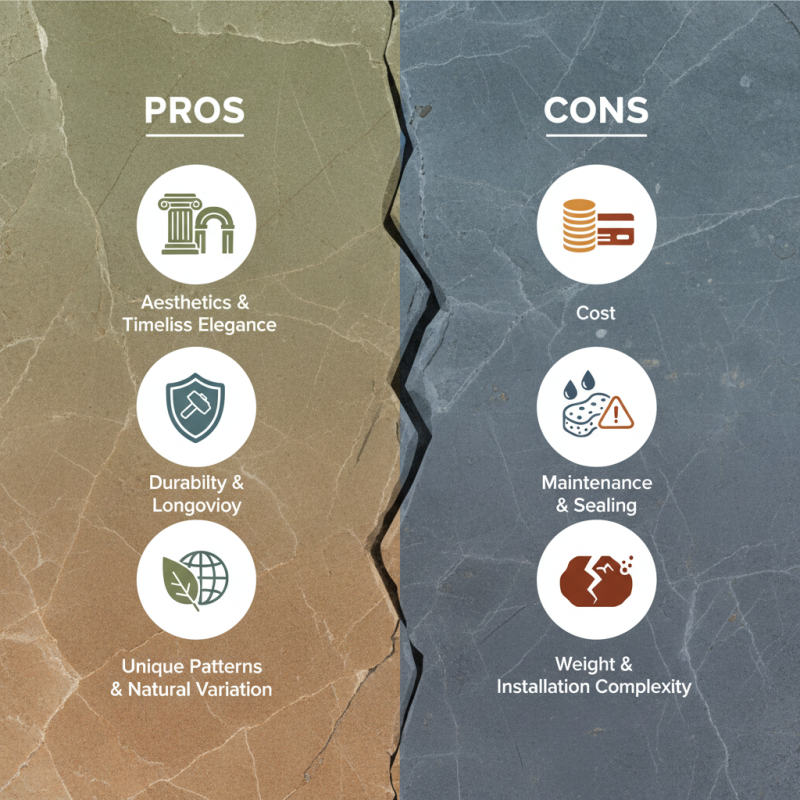
Benefits of Using Natural Stone in Construction and Design Projects
Natural stone has become a popular choice in construction and design projects. Its unique texture and natural beauty add unparalleled value. From granite countertops to marble flooring, the variety is extensive. Natural stone offers durability, making it ideal for high-traffic areas. It can withstand extreme weather conditions, reducing the need for frequent replacements.
The aesthetic appeal of natural stone is undeniable. Each piece carries its own character. This uniqueness helps create a distinct atmosphere in any space. However, natural stone requires careful maintenance. Stains can seep into porous materials like limestone. Regular sealing is often necessary. In some cases, this can be seen as a drawback.
Cost is another consideration. While natural stone can elevate a project, it often comes with a higher price tag. Budget limitations may hinder its use in certain projects. Additionally, sourcing natural stone can have environmental implications. Extraction processes may disrupt local ecosystems. Careful thought should be given to these factors when making choices in design and construction.
Durability and Longevity of Natural Stone Compared to Synthetic Materials
Natural stone is renowned for its durability and longevity. Unlike synthetic materials, natural stone can withstand harsh weather and physical wear. It often lasts for decades, or even centuries, if properly maintained. This is a significant advantage for homeowners looking for lasting solutions. For example, granite and marble countertops can endure daily use without scratching or chipping easily.
However, natural stone is not without its challenges. The initial cost is higher compared to synthetic options. Installation can also be complex and requires skilled labor. Additionally, natural stones are porous, which means they can absorb stains if not sealed properly. This aspect requires regular maintenance to keep the surface looking pristine.
The weight of natural stone may also pose challenges during installation, as it may not be suitable for every structure. In the end, choosing natural stone involves weighing the benefits of durability against potential maintenance issues. High-quality stone provides beauty and resilience. However, the upfront investment and care required can be a consideration for many. While natural stone brings elegance to spaces, it does require commitment. This blend of strength and responsibility makes it a thoughtful choice in home design.
Environmental Impact of Natural Stone Quarrying and Processing
Natural stone has gained popularity for its unique beauty and durability. However, the environmental impact of quarrying and processing natural stone is significant. It involves heavy machinery, which contributes to noise pollution. Moreover, the extraction process can lead to habitat destruction. These factors must be considered when choosing natural stone.
The quarrying process often results in large amounts of waste. Rocks that do not meet quality standards are discarded. This waste impacts local ecosystems. Water usage in processing can strangle nearby water sources. That said, some companies are exploring more sustainable methods, which is a promising development.
Tips: Choose stone sourced from certified quarries. This can help ensure responsible practices. Consider using recycled stone materials. These options reduce the environmental footprint while still offering aesthetic appeal. Reflect on the trade-offs between beauty and sustainability. It's essential to weigh your options carefully.
Cost Analysis: Initial Investment vs. Long-Term Value of Natural Stone
When considering natural stone, the initial investment can be considerable. The price varies based on the type of stone. Granite, marble, and limestone each have distinct costs. Installation also adds to the overall expense, especially if professional help is needed. This upfront cost can deter homeowners. However, the aesthetic appeal of natural stone is undeniable. It adds a premium look to any space.
Over time, natural stone often proves to be a worthy investment. It typically requires fewer repairs compared to synthetic materials. Natural stone is durable and can withstand wear. While there may be maintenance requirements, the longevity offsets these needs. Homeowners find that, in the long run, the value of their property increases.
Some may face challenges with their choice. Not all stones are equally suited for every environment. Certain types may crack in extreme temperatures. This unpredictability can require extra thought before installation. Therefore, assessing the specific needs of your space is crucial. Getting professional advice can help navigate these concerns.
Maintenance Requirements and Caring for Natural Stone Surfaces
Natural stone adds beauty and elegance to spaces, but it requires specific care and maintenance. Surfaces such as marble, granite, and limestone have unique qualities. Yet, these qualities come with challenges. For instance, while granite is durable, it can be stained by spills if not sealed properly. Regular sealing is essential to prevent damage.
Cleaning is another critical aspect. Avoid acidic cleaners, as they can ruin the surface. Instead, use a mild soap and warm water. Simple tools like a soft cloth or sponge are effective. However, some stains may need professional cleaning. This can be costly and time-consuming, prompting homeowners to be vigilant.
Regular inspections can prevent major issues. Look for chips or cracks that may worsen over time. Addressing these promptly can save money in the long run. Investing time in maintenance is vital to preserving natural stone surfaces. It's a delicate balance between enjoying beauty and ensuring longevity.
FAQS
: Natural stone offers unique textures, beauty, and excellent durability. It withstands harsh weather, making it ideal for high-traffic areas.
Yes, natural stone needs careful maintenance. Porous stones like limestone can stain easily, requiring regular sealing.
Natural stone can be costly. The price varies by type, and installation can add to the overall expense.
Quarrying has significant environmental effects. It can cause habitat destruction and water source depletion due to heavy machinery use.
Choose stone from certified quarries. This supports sustainable practices and reduces environmental impact during extraction.
Yes, consider using recycled stone materials. They offer similar aesthetics while lowering environmental footprints.
Assess the specific environment carefully. Some stones may crack in extreme temperatures, so professional advice is essential.
Natural stone often increases property value. Its durability and aesthetic appeal make it a worthwhile long-term investment, despite initial costs.
Conclusion
The article "What Are the Pros and Cons of Using Natural Stone?" explores the various advantages and disadvantages associated with utilizing natural stone in construction and design projects. One of the key benefits is its durability and longevity, which often surpasses that of synthetic materials, making it a viable choice for long-term use. The environmental impact of quarrying and processing natural stone is also discussed, highlighting the need for sustainable practices in the industry.
Additionally, the cost analysis section weighs the initial investment against the long-term value of natural stone, emphasizing its potential economic efficiency. Maintenance requirements for natural stone surfaces are considered, presenting insights into the care needed to preserve their beauty and functionality over time. Ultimately, understanding the pros and cons of natural stone is essential for making informed decisions in building and design endeavors.

 Jieda Stone