How To Prevent Stone Surface Damage in Your Home

Time:2026-05-11 Author:Mason
0%

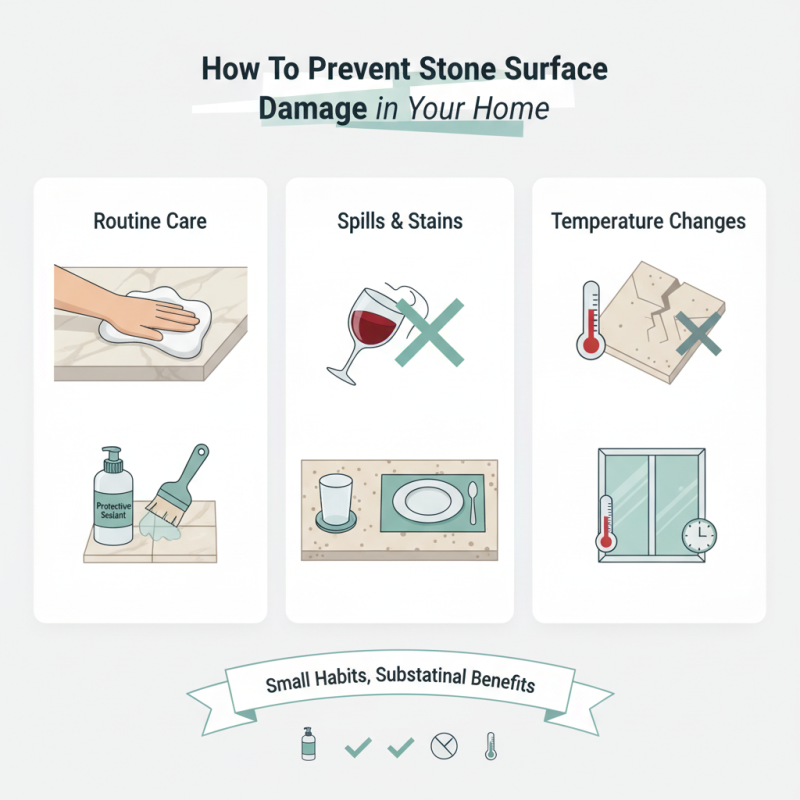
Stone surfaces add elegance and value to homes, but they can be prone to damage. Understanding "How To Prevent Stone Surface Damage" is essential for maintaining their beauty and longevity. Routine care is crucial. Daily cleaning with a soft cloth helps avoid scratches. Yet, many homeowners overlook the need for protective sealants.

Natural stone, like marble or granite, can stain easily. Even small spills can lead to significant damage over time. Using coasters and mats can provide a first line of defense. However, people often forget to reposition these protections regularly, leaving surfaces vulnerable.

Homeowners should also be aware of the temperature changes affecting stone. High heat or extreme cold can cause cracks. Regularly monitoring these factors is vital, although it's an easy aspect to miss. Embracing proactive measures helps, yet many still face challenges. Small habits can lead to substantial benefits in stone care.
How To Prevent Stone Surface Damage in Your Home

Understanding Different Types of Stone Surfaces in Your Home

Stone surfaces in your home can be stunning but require careful attention. Common types of stone include granite, marble, and limestone. Each type has unique properties and vulnerabilities. For example, granite is durable and resistant, yet it can stain if not sealed correctly. Marble, while elegant, is softer and can easily scratch. Limestone is porous, making it susceptible to spills and damage from acidic substances.

Understanding these differences can help you maintain your surfaces effectively. Regular cleaning routines are essential. Use pH-balanced cleaners to avoid damaging the stone. Always wipe up spills quickly, especially acidic ones. Take time to reseal your stone surfaces as needed, especially granite and marble. This simple task can enhance longevity and appearance.

You might think you've taken all necessary precautions, yet minor damages can still occur. Scratches happen. They remind us that even beautiful surfaces need care. Regular inspection can help identify wear and tear early. This awareness leads to better preservation of your stone surfaces.

Common Causes of Damage to Stone Surfaces

Homeowners often overlook their stone surfaces. Yet, these surfaces are prone to various forms of damage. Understanding common causes can help in developing effective prevention strategies.

One significant cause is moisture. Water can seep into porous stones, leading to cracks and stains. Proper sealing and regular maintenance can mitigate this. Cleaning spills immediately also helps prevent lasting damage.

Another issue stems from improper cleaning. Abrasive cleaners can scratch the surface. Use a soft cloth and pH-balanced cleaners instead. This approach preserves the stone's appearance and structural integrity.

**Tips:** Regularly inspect stone surfaces for signs of wear. Address any issues quickly. Avoid placing heavy objects directly on your stone countertops. Over time, this can lead to visible indentations.

Essential Cleaning Practices for Stone Surfaces

Maintaining stone surfaces in your home requires careful cleaning practices. According to industry reports, improper cleaning is a major cause of surface damage. For instance, about 30% of homeowners inadvertently use abrasive cleaners that can scratch or dull finishes. Using a pH-balanced, non-acidic cleaner is essential for preserving the natural beauty of stone.


Regular dusting is crucial to prevent the accumulation of debris. Microscopic particles can act like sandpaper, leading to long-term scratches. Experts suggest using a soft microfiber cloth for daily maintenance. This simple step can significantly reduce wear on your surfaces.


Stains are another concern. Oil-based stains can penetrate deeply, making them challenging to remove. A combination of baking soda and water can create a gentle paste that effectively lifts stains. However, it's worth noting that not all methods are foolproof, and some stains may remain. This highlights the importance of testing any cleaning solution in a hidden area first. Regular maintenance, combined with caution, can help keep your stone surfaces looking their best.

Preventive Measures to Protect Stone from Damage

Maintaining the beauty of stone surfaces in your home requires proactive measures. According to the Natural Stone Institute, proper care can extend the life of stone surfaces by up to 50%. Regular cleaning is crucial. Use a pH-balanced cleaner to avoid damaging the stone finish. Avoid acidic or abrasive cleaners, which can etch and dull the surface.

**Tip:** Always blot spills immediately to prevent staining. Water, oil, and food substances can penetrate quickly. Use coasters and placemats in dining areas to create a barrier against spills. In high-traffic areas, consider using rugs to protect floors from scratches.

Sealing stone surfaces is another key measure. A well-applied sealant can last from six months to a year, according to industry studies. Inspect seals regularly. If you notice dark spots or changes in sheen, it’s time to reseal. Stone preservation can be an ongoing process, demanding continuous attention to minor issues before they escalate.

**Tip:** Test your stone every few months by placing a few drops of water on the surface. If the water beads up, your seal is intact. If it absorbs, it's time to reseal. Simple actions can prevent significant damage and keep your stone surfaces looking pristine.

Regular Maintenance Tips for Longevity of Stone Surfaces

Regular maintenance is essential for keeping stone surfaces in top shape. Daily cleaning plays a significant role. Use a soft cloth or a microfiber mop to avoid scratches. Daily dusting removes dirt and reduces stains. For deeper cleaning, a gentle pH-balanced cleaner is ideal. Strong chemicals can damage the stone finish over time.

Sealing your stone surfaces every 6 to 12 months is crucial. This process creates a protective barrier, making stains less likely to penetrate. Pay attention to high-traffic areas. These zones often show wear faster. If you notice dull spots, it may be time to reseal. Remember, neglecting maintenance can lead to costly repairs later on.

Be mindful of spills. Even minor incidents can lead to permanent stains if not addressed quickly. Wipe up spills immediately with a soft towel. Also, avoid using harsh scrubbers. They can leave scratches or diminish the sheen. Regular assessments of your stone surfaces can help identify issues early. Catching problems can save you time and money in the long run.

FAQS

: What causes damage to stone surfaces?

: Moisture and improper cleaning are major causes. Water seeps into stones, leading to cracks.

How can I prevent moisture damage?

Proper sealing and regular maintenance reduce the risk. Clean spills immediately to avoid lasting stains.

What cleaning methods should I avoid?

Avoid abrasive cleaners. They can scratch the surface and ruin the finish of the stone.

What type of cleaner is best for stone?

Use a pH-balanced, non-acidic cleaner. This preserves the appearance and integrity of the stone.

How can I remove stubborn stains?

A paste of baking soda and water can lift stains. However, not all stains may come out easily.

How often should I seal my stone surfaces?

Sealants last six months to a year. Regular inspection and resealing are vital for protection.

What is a good practice for daily maintenance?

Dust regularly with a soft microfiber cloth. This helps prevent scratches from accumulating debris.

How can I test if my stone needs resealing?

Place a few drops of water on the surface. If it absorbs quickly, it’s time to reseal.

What precautions should I take during meals?

Use coasters and placemats to protect surfaces from spills. It's a simple way to prevent damage.

What should I do with heavy objects on stone countertops?

Avoid placing them directly on the surface. This can lead to visible indentations over time.

Conclusion

In the article "How To Prevent Stone Surface Damage in Your Home," readers are guided through the essential aspects of caring for stone surfaces in their residences. It begins with an overview of various types of stone surfaces, emphasizing the unique characteristics and needs of each. The article identifies common causes of damage, such as spills, scratches, and harsh cleaning agents, which can lead to costly repairs if not addressed promptly.

To mitigate these risks, the piece outlines crucial cleaning practices and preventive measures that homeowners should adopt to safeguard their stone surfaces. Regular maintenance tips are also provided to ensure the longevity and aesthetic appeal of these surfaces. By following the guidance in this article, homeowners can effectively learn how to prevent stone surface damage and maintain the beauty of their stone installations for years to come.

Mason

Mason

Mason is a seasoned marketing professional with a deep expertise in the company's offerings and a passion for driving brand awareness. With a strong background in digital marketing strategies, he has an innate ability to connect with diverse audiences and effectively communicate product benefits.......