In the world of construction and design, knowing "How to Identify Quality Stone Materials" is essential. Quality stone not only affects the aesthetics but also the durability of any project. According to the National Stone Association, about 80% of construction projects fail to meet quality standards due to improper material selection. This highlights the importance of choosing the right stone.
Evaluating stone involves considering its origin, density, and resistance to wear. Each type of stone carries its own unique properties. For example, granite is known for its toughness, while marble is celebrated for its beauty. Yet, many professionals overlook subtle signs of inferior materials. A line in the surface could indicate faults hidden from plain sight.
With the right knowledge, selecting quality stone can enhance project success rates. The industry reports that high-quality stone significantly reduces maintenance costs over time. However, there is no one-size-fits-all approach. Each project requires a tailored assessment to ensure materials align with specific needs and expectations. Always strive for due diligence in your material choices, as your project's longevity may depend on it.
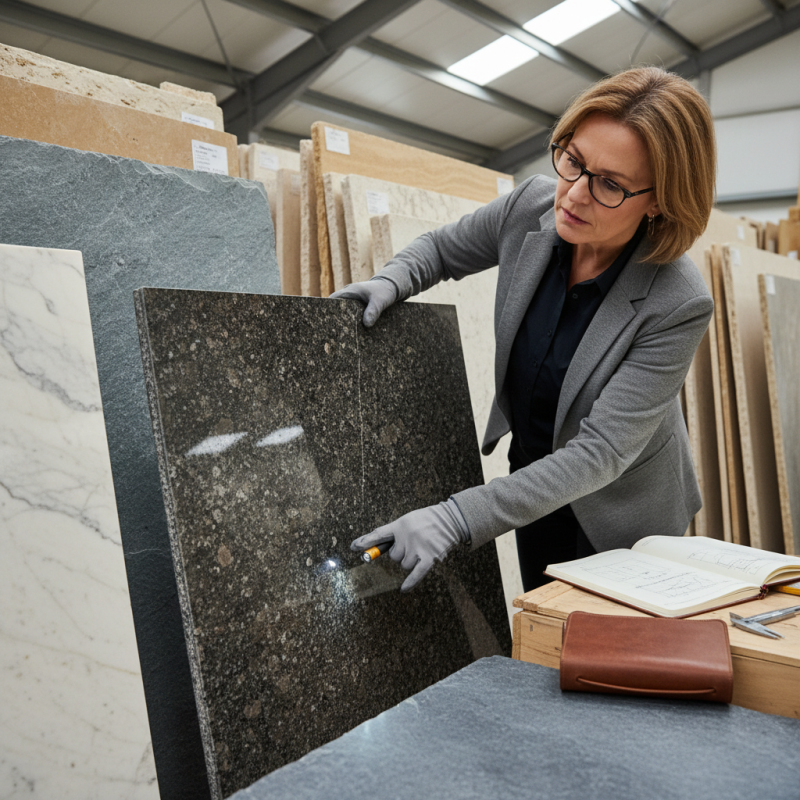
When choosing stone materials for construction, it's crucial to understand the most commonly used types. Granite is often favored for its durability. It can withstand harsh conditions and is resistant to scratches. Marble, on the other hand, is celebrated for its aesthetic appeal. It's used in high-end projects, providing a touch of elegance.
Limestone is another popular choice, known for its versatility. It can be used for walls and flooring. However, it is softer than granite and can be more susceptible to stains. Slate often finds its way into outdoor applications due to its slip resistance. While beautiful, its color variations can make choosing the right piece challenging.
Consider also the local availability of these stones. Accessibility can impact project costs and timelines. It's essential to evaluate not just the stone's appearance but also its long-term suitability for your project. Engaging with experts in the stone industry can provide deeper insights. They can guide you on the best choices based on experience and local conditions.
Choosing quality stone materials is essential for any construction or renovation project. One of the most critical characteristics to evaluate is the stone's durability. Durability can be assessed through its resistance to weathering and wear over time. According to the Natural Stone Institute, certain stones like granite can last over a century with minimal maintenance. This endurance makes granite a preferred choice in many applications, from countertops to flooring.
Another important factor is the stone’s porosity. Highly porous stones, like limestone, are prone to staining and damage from moisture. A study published in the Journal of Materials Science shows that stones with lower porosity are better suited for wet environments, offering longevity and reducing maintenance costs. In contrast, less dense stones may require more frequent sealing and care, which can increase long-term expenses and efforts.
Aesthetic appeal is also crucial when selecting stone materials. The color and texture can significantly impact the overall look of your project. Different finishes, such as honed or polished, can alter not only the appearance but also the stone's slip-resistance. This is particularly important for outdoor applications or in areas prone to moisture. Overall, evaluating these characteristics ensures you select high-quality stone that aligns with both functional and design requirements.
When assessing the durability and longevity of stone materials, several key factors come into play. The density of the stone significantly influences its resistance to weathering. According to the Marble Institute of America, denser stones like granite typically show superior durability compared to softer stones such as limestone. Density often correlates with the stone's mineral composition, strength, and resistance to abrasion.
Another essential aspect is the porosity of the stone. For instance, porous stones absorb water, increasing the chances of cracking due to freezing and thawing cycles. Data from the Building Stone Institute suggests that low-porosity stones, like quartzite, retain structural integrity better over time. Evaluating a stone's water absorption rate can provide meaningful insight into its potential longevity.
Finally, field testing is indispensable to assess real-world performance. Some stones may exhibit lab-tested resilience but fail under actual environmental conditions. Observing stone installations over time helps understand how well they endure wear and external elements. This hands-on approach reveals imperfections in the stone’s structure that lab analyses might miss, stressing the need for comprehensive evaluation methods.
When selecting stone materials for your projects, assessing their aesthetic qualities is crucial. A well-chosen stone can elevate the design and functionality of any space. Visual characteristics like color, texture, and pattern significantly impact how stones interact with light and surrounding materials.
One effective technique for testing a stone’s appearance is the “dry fit” method. This involves placing the stones together without adhesives or grout. By doing this, you can visualize how they work together. Look for any inconsistencies in color or texture. This step will help you gauge their overall harmony in your project.
Consider lighting effects as well. Natural light alters a stone's appearance throughout the day. Examine your samples in various lighting conditions to see how they change. Touch and feel the stone. Is it smooth, rough, or somewhere in between? Sometimes, an appealing surface may not hold up in certain environments.
Tip: Always bring samples into the actual space before making a final decision. Context matters greatly when assessing aesthetic qualities. And remember, perfection can be subjective. Reflect on what resonates aesthetically with your vision while being open to minor flaws in the stone that may add character.
When selecting stone materials for your projects, considering the environmental impact is crucial. The extraction and processing of stone can create significant ecological footprints. Many stone types are sourced from quarries that may disrupt local ecosystems. Think about the lifespan and maintenance needs of the materials. Short-lived materials contribute more waste over time.
Choose local stone options when possible. This reduces transportation emissions and supports local economies. However, verify the quarry's sustainability practices. Not all local sources follow responsible mining practices. Research and ask about the environmental impact of the quarrying process.
Tip: Look for certifications that indicate sustainable practices. These can guide you toward eco-friendly options. Poor choices can damage the environment. Ensure your selections align with both aesthetics and environmental responsibility. A balance can lead to enduring beauty and reduced ecological harm.
| Stone Type | Density (g/cm³) | Durability Rating | Environmental Impact (CO2/kg) | Common Uses |
|---|---|---|---|---|
| Granite | 2.75 | High | 0.032 | Countertops, Flooring |
| Marble | 2.71 | Medium | 0.028 | Sculptures, Flooring |
| Limestone | 2.33 | Low | 0.025 | Building Blocks, Cement |
| Slate | 2.70 | Medium | 0.020 | Roofing, Flooring |
| Basalt | 2.84 | High | 0.030 | Paving, Road Construction |
: Granite and marble are often preferred. Granite is durable, while marble is known for its beauty.
Granite withstands harsh conditions and resists scratches. It's a long-lasting choice for many applications.
Marble adds elegance to projects. It's popular in high-end constructions for its aesthetic appeal.
Limestone is versatile for walls and flooring. However, it is softer and more prone to stains.
Slate offers slip resistance, making it ideal for outdoor surfaces. Its color variations can cause selection challenges.
Local accessibility impacts project costs and timelines. It's important to choose stones that are readily available.
Evaluate the stone's density and porosity. Denser stones like granite are typically more durable than softer stones.
High porosity can lead to water absorption, causing cracking. Low-porosity stones retain structural integrity better.
Lab tests may not reflect real-world performance. Observing stones over time reveals durability and structural issues.
Experts can guide based on experience and local conditions. Their knowledge helps in making informed decisions.
In the article titled "How to Identify Quality Stone Materials for Your Projects," various aspects of selecting the right stone materials for construction are explored. It begins by outlining the common types of stone materials used in construction projects, such as granite, marble, and limestone. The next section emphasizes key characteristics to evaluate, including density, porosity, and resistance to weathering, which are essential in determining the stone’s quality.
Additionally, the article discusses methods for assessing the durability and longevity of stone, highlighting tests that gauge its strength and performance over time. Aesthetic qualities are also examined, with techniques for evaluating color, texture, and finish. Finally, there is a consideration of the environmental impact of stone material choices, urging readers to take sustainability into account. Overall, the article provides a comprehensive guide on "How to Identify Quality Stone Materials," equipping professionals with the knowledge needed for informed decision-making in their projects.

Jieda Stone