How to Clean Stone Surfaces Properly?

Time:2026-11-18 Author:Aria
0%

Stone surfaces bring natural color and texture into kitchens, bathrooms, and entryways, but each stone responds differently to cleaning. Marble, limestone, and travertine can etch when exposed to acidic products such as vinegar or lemon juice. Granite is generally more resistant, yet harsh chemicals and abrasive pads can still dull its finish. The safest routine starts with identifying the stone and checking any care instructions from the supplier or installer.

How To Clean Stone Surfaces Properly depends on the material, finish, and type of soil. For routine care, remove loose grit with a soft cloth, then wipe the surface using warm water and a pH-neutral stone cleaner. Dry it with a clean microfiber cloth to reduce streaks and water marks. For a spill, blot rather than scrub; rubbing can spread residue or scratch delicate finishes. Always test an unfamiliar cleaner on a discreet spot first. Small steps help.

Sealers may slow absorption, but they do not make stone stain-proof or eliminate regular care. Reapplication needs vary, so follow product guidance instead of relying on a fixed schedule. A common mistake is reaching for a household spray before checking its ingredients. I have to admit, labels can be vague; when in doubt, use a cleaner specifically labeled for natural stone or ask a qualified stone-care professional. This guide will explain practical cleaning methods, common mistakes to avoid, and when a stubborn mark needs specialist attention. It cannot make every stain disappear. Knowing when to stop is part of caring for the surface.
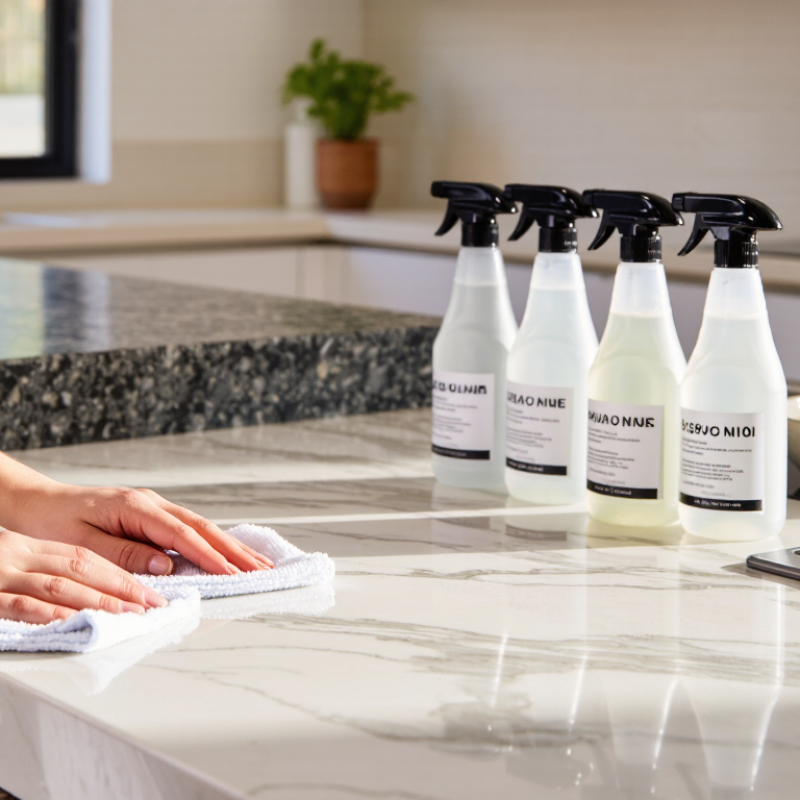
How to Clean Stone Surfaces Properly?

Identify the Stone Type and Assess Its Condition

Before cleaning, identify the stone as accurately as you can. Check installation records or ask the supplier; color and veining alone can mislead. Marble and limestone often contain calcite, while granite usually shows visible mineral grains. Slate may have thin, layered edges. Look closely. A pale surface can fool even a careful eye, and engineered stone may resemble natural stone.

Assess its condition in bright, angled light. Dust the surface with a dry microfiber cloth, then look for hairline cracks, loose grout, chips, dull patches, or darkened areas. Note where stains appear and whether they feel sticky, rough, or powdery. These clues help distinguish surface soil from damage, but they do not prove what caused it. A water drop can also be misleading: absorption may suggest worn sealer, yet stone porosity varies.

Let the stone type and condition guide your cleaning method. Acidic cleaners can etch calcite-based stone, leaving pale, rough marks; abrasive pads may scratch polished finishes. Test any suitable cleaner in a hidden spot and follow its directions. If the stone is cracked, flaking, or badly stained, pause before scrubbing and seek advice from a qualified stone-care professional. Guessing is tempting, but it can make a small blemish worse.

Choose Safe, Stone-Appropriate Cleaning Supplies

Stone can look durable, but its surface may react badly to ordinary cleaners. Marble and limestone contain calcite, which acids can dull or etch. Choose a pH-neutral cleaner labeled for natural stone, or use a small amount of mild, unscented dish soap in warm water. Check the stone’s care instructions, since finishes and sealers vary. “Natural” on a label does not automatically mean stone-safe.

Use a clean microfiber cloth and wring it out well; excess water can leave streaks or seep into unsealed stone. Rinse with a second cloth dampened with plain water, then dry the surface. Avoid vinegar, lemon-based sprays, abrasive powders, and rough scouring pads. They may scratch polished stone or damage its finish. Be cautious with multipurpose disinfectants, too. Their ingredients can be unsuitable, even when the surface looks fine afterward.

Test any cleaner on a hidden spot and let it dry before treating the whole counter. That small check can reveal discoloration or a change in sheen. It is easy to assume a product is safe because it worked on tile elsewhere. That assumption is shaky. For a stubborn stain, identify the stone and stain type before choosing a treatment; repeated scrubbing can make the mark worse.

Remove Loose Dirt Before Cleaning

Before washing stone, remove the dry grit that can scratch its surface. Fine sand often hides near seams, under chair legs, and along the edge of a backsplash. Use a clean, soft microfiber cloth or a vacuum with a soft brush attachment. Move gently; pressing hard can drag particles across polished stone. Check the cloth as you work. If it looks gritty, shake it out or replace it. Small detail, big difference.

Pay extra attention to corners and grout lines, where crumbs and dust collect. A soft hand brush can loosen debris without scraping the stone. Avoid stiff bristles and metal tools, especially on softer stones such as marble or limestone. Not all stone feels the same, so test your method in an inconspicuous spot if you are unsure. This step can feel fussy, and it is tempting to skip it. Still, adding water before the loose dirt is gone may turn dust into muddy streaks. Keep the surface dry until the visible grit has been cleared.

How to Clean Stone Surfaces Properly? — Remove Loose Dirt Before Cleaning

Typical Mohs hardness ranges vary by stone composition. Dry-dust or sweep first to lift loose grit before wiping; abrasive particles can scratch stone, especially softer surfaces.

Mohs hardness is a relative scratch-resistance scale, not a measure of overall durability.

Clean the Surface with a Gentle Method

How to Clean Stone Surfaces Properly?

Clean the Surface with a Gentle Method

Stone can look tough, but its surface may scratch or react to harsh cleaners. Marble and limestone are especially sensitive to acids, including vinegar and lemon juice. Begin by removing loose grit with a soft, dry cloth. Then use warm water and a small amount of pH-neutral cleaner. Check the care instructions for your specific stone, since finishes and sealants vary.

Wipe gently with a clean microfiber cloth, rather than scrubbing in circles with force. Rinse away cleaner residue with fresh water, then dry the surface. Less pressure is safer. It is easy to assume that more cleaner means a better result, but residue can leave a dull film. For a new product, test it on a small, hidden area and let that spot dry before cleaning the whole surface.

Tips: Blot spills promptly; do not rub them across the stone. Use a soft cloth for everyday dust, and avoid scouring pads or abrasive powders. If a stain remains, pause before trying a stronger treatment. The right approach depends on the stone and stain, and repeated guesswork can cause damage.

Rinse, Dry, and Maintain the Stone Properly

After cleaning stone, rinse with clean water to lift detergent and loosened grit. Soap left in place can dry into a dull film, especially along faucet bases and grout lines. Use a soft microfiber cloth, then dry the surface rather than letting it air-dry. Small habit, big difference. For marble and limestone, avoid acidic cleaners such as vinegar; these calcium-based stones can etch, not merely stain. The Natural Stone Institute’s stone-care guidance recommends mild, pH-neutral cleaning and prompt wiping of spills.

Drying matters because stone and its joints do not all absorb moisture at the same rate. ASTM C97/C97M, an industry test method for dimension stone, measures water absorption after specimens are dried and immersed for 48 hours. That laboratory test is not a household cleaning instruction; it shows why stone types can behave differently. Check seams, edges, and the area around sinks for lingering moisture, and use a dry cloth there. Resealing is not automatically needed on a fixed schedule: follow the stone supplier’s care guidance or ask a qualified stone professional. A water-drop check can be a clue, but it is not a complete diagnosis. I’d avoid treating every cloudy patch as a sealing problem; sometimes it is just residue, and sometimes the finish needs expert attention.

FAQS

Why should I remove dry dirt before washing stone?

Fine sand can scratch polished stone when dragged across it. Clear grit first. Use a soft microfiber cloth or a vacuum with a soft brush attachment.

Where does loose dirt tend to collect?

Check corners, grout lines, backsplash edges, and areas under chair legs. A soft hand brush can loosen crumbs without scraping the stone.

Can I use a stiff brush or metal tool?

Avoid them, especially on marble and limestone. Softer stone can scratch easily. Test an unfamiliar cleaning method in a hidden spot.

What happens if I add water before clearing the grit?

Dust can turn into muddy streaks. It is an easy step to skip, but dry removal helps avoid extra wiping.

Should I rinse stone after cleaning?

Yes. Rinse with clean water to remove detergent and loosened dirt. Soap residue can dry into a dull film near faucets and grout lines.

Why should I dry the stone instead of letting it air-dry?

Stone and grout can absorb moisture at different rates. Dry the surface with a soft cloth, and check seams and sink edges.

Is vinegar suitable for marble or limestone?

No. Acidic cleaners can etch these calcium-based stones. Choose a mild, pH-neutral cleaner instead.

Should stone be resealed on a fixed schedule?

Not automatically. Follow the supplier’s care guidance or consult a qualified stone professional. A water-drop check offers a clue, not a full diagnosis.

Does every cloudy patch mean the stone needs resealing?

Not necessarily. It may be cleaning residue, or the finish may need expert attention. Guessing can lead to the wrong fix.

Conclusion

How To Clean Stone Surfaces Properly starts with identifying the stone, such as marble, granite, limestone, or slate, and checking for cracks, worn areas, or existing stains. Different stones have different sensitivities, so choose a pH-neutral cleaner and soft cloths or sponges suited to the surface. Avoid harsh or abrasive products that could dull the finish or cause damage.

Before washing, remove loose dust and grit with a soft brush or dry cloth to reduce the risk of scratches. Clean gently with a small amount of suitable cleaner and clean water, working in manageable sections rather than soaking the stone. Rinse away any residue with fresh water, then dry the surface with a soft towel to help prevent water marks. Regular dusting, prompt attention to spills, and periodic checks for wear can help keep stone surfaces clean and in good condition.

Aria

Aria

Aria is a dedicated marketing professional with a deep passion for innovative strategies and a keen understanding of our company's product offerings. With a wealth of experience in the industry, Aria excels at crafting engaging content that highlights the unique features and benefits of our......