Achieving a flawless finish on stone surfaces is both an art and a science. In the "Stone Surface Polishing Techniques Guide," we delve into various methods that enhance the beauty and durability of marble, granite, and other natural stones. Understanding these techniques can elevate a home or a commercial space, providing a polished look that captivates the eye.
However, not all polishing methods are created equal. Each stone type requires a specific approach to avoid damage. This guide aims to share valuable insights and professional tips for effective polishing. We recognize that mistakes can happen, even to the most experienced contractors. Choosing the wrong product or technique may yield less than satisfactory results.
With the right knowledge and tools, anyone can master stone polishing. This guide serves to inform and empower those who wish to maintain or restore stone surfaces properly. By employing the right techniques, you can achieve a high-end finish that stands the test of time.
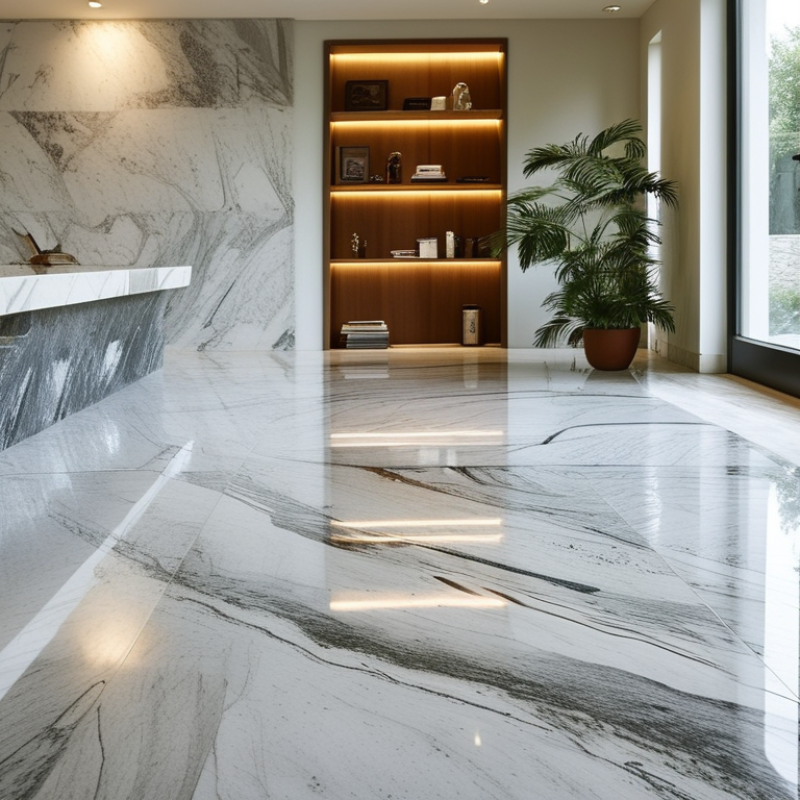
Polishing stone surfaces is both an art and a science. Various techniques exist to achieve that perfect shine. Industry reports indicate that proper polishing can enhance a stone's resilience and longevity by up to 30%. Understanding the nuances of each technique allows for better results.
Choosing the right tools is crucial. Diamond pads are often considered the gold standard. They provide a fine finish without causing damage. However, beginners may find it challenging to use them effectively. Experimenting with different grits can yield better outcomes. Start with a coarser grit and work your way to a finer polish.
Tips: Always test polishing methods on a small area first. This helps you gauge the results without risking the entire surface. Moreover, maintaining a consistent speed while polishing can prevent unevenness. Remember to keep your workspace clean. Dust can affect the polishing process, leading to subpar results. An organized space creates a safer and more effective polishing environment.
| Technique | Description | Material Suitable | Equipment Needed | Finish Level |
|---|---|---|---|---|
| Dry Polishing | Uses dry pads to polish the surface without water. | Granite, Marble | Angle Grinder, Dry Polishing Pads | High Gloss |
| Wet Polishing | Involves using water to reduce dust and generate less heat. | Marble, Limestone | Water Polisher, Wet Polishing Pads | Glossy to Satin |
| Diamond Polishing | Uses diamond grit pads for superior finish and durability. | All Stone Types | Diamond Polishing Pads, Polisher | High Gloss |
| Honing | Achieves a smooth, non-reflective finish by using honed pads. | Marble, Travertine | Honing Pads, Floor Machine | Satin |
| Buffing | Uses a buffer with a special compound to achieve a sheen. | Marble, Polished Granite | Buffing Machine, Buffing Compounds | High Gloss |
Polishing stone surfaces requires understanding the unique characteristics of different stone types. Marble, for instance, is softer and more porous than granite. This means it needs gentler polishing methods. Using a fine-grit pad can enhance its natural shine without damaging the surface. Over-polishing marble may cause scratches or dullness. Using the right approach is crucial.
Granite is a harder stone and can withstand more aggressive techniques. Diamond abrasives are often effective for granite surfaces. They can achieve a high gloss finish. However, improper use can result in uneven surfaces. Homeowners should monitor their techniques closely.
Limestone and travertine are often more challenging. These stones can be sensitive to acidic cleaners, which can erode their surface. Using a neutral pH cleaner helps preserve their finish. Potential polishers should consider their experience level. An inexperienced person might overlook these nuances, leading to unsatisfactory results. Each stone type has distinct needs that require careful attention.
When it comes to stone polishing, having the right tools is crucial. A quality polishing machine can greatly enhance efficiency. Look for models that offer speed control. Different types of pads will help achieve varying levels of shine. Diamond pads are popular for their effectiveness on harder stones.
Along with machines, a variety of hand tools are essential. Scrapers and chisels help refine edges and surfaces. Different grit sizes of sanding blocks are vital for blending and smoothing. Remember to use water during the polishing process; it reduces dust and prevents overheating.
Don’t overlook safety equipment. Dust masks, gloves, and safety goggles protect you while working. Investing in a good quality vacuum can help manage dust generated during polishing. Many professionals find it challenging to balance speed and quality. Perfecting this skill takes time and practice.
Polishing natural stones involves several key steps that can transform rough surfaces into stunning finishes. Start by gathering your materials: diamond pads, water, polishing compounds, and a buffer. Clean the stone surface to remove dust and debris. This ensures better results and prevents scratches during polishing. The importance of a clean surface cannot be overstated; neglecting it could hinder your progress.
Next, begin with the coarsest diamond pad. Apply light pressure while moving the buffer in a circular motion. This method helps eliminate scratches and imperfections. It's crucial to avoid pushing too hard, as this can damage the stone. Depending on the stone type, each pad will require different speeds and levels of pressure. Addressing this variability can be daunting; a little practice will go a long way.
After completing the coarse pad, gradually move to finer pads. This step is essential for achieving a high-gloss finish. Make sure to frequently check your progress. Sometimes, the desired sheen may elude you. Reflecting on each step allows you to adjust your techniques. Finally, a polishing compound can be applied for that extra shine. Thus, mastering stone polishing is not just about tools; it also demands patience and a keen eye for detail.
Maintaining polished stone surfaces requires careful attention and consistent effort. Regular cleaning is essential. Use a soft cloth or microfiber towel to avoid scratches. Choose a pH-neutral cleaner specifically formulated for stone. Harsh chemicals can dull the gloss, leaving behind a less inviting appearance.
Be mindful of spills. Liquids can seep into the stone and lead to stains. Wipe spills immediately to minimize damage. For natural stones like marble or granite, consider applying a sealant. This provides an extra layer of protection. However, sealants are not permanent. They need reapplication after several months, depending on usage.
In time, even well-maintained surfaces may lose some luster. Polishing can restore their shine. Consider professional services for deep polishing every few years. DIY methods can also be effective but may require practice. It's crucial to test products on a small area before full application. Engaging in routine maintenance will keep your stone surfaces looking vibrant longer.
Polishing stone surfaces requires precision and care. Many professionals overlook critical techniques, leading to costly mistakes. For example, using the wrong grit can damage the stone. A report from Stone World indicates that 80% of stone restoration failures stem from improper grit selection.
Another common error is neglecting surface preparation. Dust and debris can lead to uneven polishing results. The Marble Institute of America emphasizes that thorough cleaning is essential before any polishing begins. Failure to do so can cause swirl marks and scratches that are difficult to fix.
Water usage is also a frequent oversight. Many workers apply too much or too little. Reportedly, using insufficient water can overheat the stone, causing cracks. Industry experts recommend maintaining a consistent flow of water to ensure optimal polishing. Ignoring this key detail can lead to irreversible damage to the stone surface.
: You'll need diamond pads, water, polishing compounds, and a buffer.
Cleaning removes dust and debris, preventing scratches during the polishing process.
Apply light pressure and move the buffer in circular motions to eliminate imperfections.
Reflect on your techniques and adjust your pressure or speed as needed.
Regular cleaning is essential. Use a soft cloth and pH-neutral cleaner.
Wipe spills immediately to minimize damage and avoid seepage.
Yes, sealants provide extra protection but need reapplication every few months.
Consider polishing them again or hiring professionals for deep polishing.
Yes, but practice is necessary, and always test on a small area first.
Your stone surfaces may become dull and less inviting over time.
The "Stone Surface Polishing Techniques Guide" provides a comprehensive overview of the essential aspects of polishing various types of natural stones. It begins with an exploration of different stone varieties, detailing their unique polishing requirements. To effectively achieve a flawless finish, the guide outlines the necessary tools and equipment, ensuring users are well-prepared for the task.
The article goes on to present a systematic step-by-step process for polishing natural stones, highlighting best practices for maintaining their shine and luster over time. Additionally, it addresses common mistakes that individuals should avoid to ensure successful polishing results. This guide is an invaluable resource for anyone looking to enhance the beauty of stone surfaces through proper polishing techniques.

Jieda Stone