When considering materials for your project, the choice between engineered and natural stone is crucial. Each option has its unique benefits and drawbacks. Understanding these can guide your decision-making. This Engineered Vs Natural Stone Comparison delves into the features and performance of both materials.
Natural stone has been a favored choice in construction for centuries. Its authenticity and uniqueness make each piece special. Yet, it can be vulnerable to weathering and staining. Engineered stone, on the other hand, offers a more uniform appearance. It challenges the allure of natural options. However, concerns over its long-term performance exist.
Ultimately, making an informed decision requires assessing your specific needs. The ideal choice for one project may not suit another. Weighing the pros and cons of both engineered and natural stone is essential. Understanding what you need will lead to a more satisfying outcome.
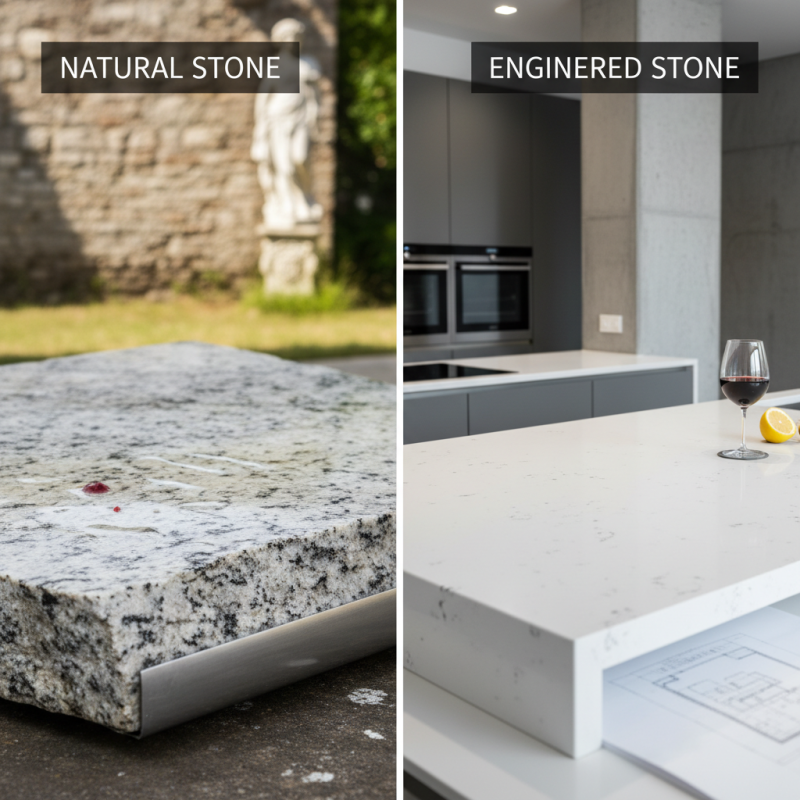
Comparison of Engineered Stone and Natural Stone: An Overview
When deciding between engineered stone and natural stone, various factors come into play. Engineered stone is crafted from a mixture of natural materials and resin. This process allows for consistent patterns and colors. It is often more resistant to stains and scratches. Homeowners appreciate its low maintenance needs, but some feel it lacks the uniqueness of natural stone.
Natural stone, like granite or marble, offers beauty that is hard to replicate. Each piece tells a story, presenting unique patterns and colors found only in nature. However, it may require more upkeep, with sealing and regular maintenance often necessary to preserve its appearance. Some people find imperfections charming, while others may see them as flaws.
Both options have their advantages. Engineered stone can be more customizable and predictable. Natural stone brings unparalleled authenticity but can be more unpredictable in terms of durability. Evaluating the needs of your project is essential to make the right choice. Whether for a kitchen countertop or a bathroom design, considering longevity, aesthetics, and upkeep will guide your decision.
Advantages of Engineered Stone in Construction Projects
Engineered stone has gained popularity in recent years, especially in construction projects. One major advantage is its durability. According to industry reports, engineered stone can withstand high impact and resist scratches better than natural stone. This makes it suitable for high-traffic areas, reducing maintenance costs over time.
Another benefit is design flexibility. Engineered stone comes in a variety of colors and patterns. It can be customized to meet specific design needs. This adaptability allows for more creative architectural expressions. Research shows that projects using engineered stone often have lower waste due to its manufacturing process.
Tip: When choosing materials, consider the environmental impact. Engineered stone typically uses less water than natural stone production. This can contribute to more sustainable construction practices.
While there are many advantages, it's vital to consider potential downsides. Some reports indicate that engineered stone can off-gas volatile organic compounds (VOCs). This might affect indoor air quality. Construction teams should monitor these factors closely. Ensuring proper ventilation during installation is essential.
Benefits of Choosing Natural Stone for Your Design Needs
Natural stone has a timeless appeal that is hard to replicate. It brings warmth and elegance to any space. The unique textures and colors of natural stone make it a popular choice for homeowners and designers alike. Each piece tells a story of its origin, adding character to your project.
When considering natural stone, think about how it fits your design vision. Choosing materials that resonate with the environment or style enhances the overall ambiance. Keep in mind the maintenance needs. Some stones require sealing to resist stains, while others can be more porous. Researching the properties of each type can save you trouble later.
Tip: Visit a local stone supplier to see and feel your options. Photos can't capture the true essence of these materials. Also, consider the longevity of natural stone. Its durability often surpasses engineered alternatives, making it a worthwhile investment for your design needs. Reflect on your aesthetic goals and practical requirements, and let natural stone enhance your project with its raw beauty.
Cost Analysis: Engineered vs. Natural Stone Options
When considering materials for your project, cost plays a crucial role. Engineered stone may appear more affordable initially. It can often be produced in bulk, leading to lower overall costs. Additionally, engineered stone typically requires less maintenance, potentially saving money over time.
On the other hand, natural stone can come with a higher price tag. Its unique, organic appearance attracts many buyers. However, costs can escalate if repairs or treatments are needed. Real stone requires sealing and sometimes professional cleaning. These factors can significantly affect long-term expenses.
Both options welcome reflection. Is the initial investment worth it in the long run? Sometimes, engineered stone offers durability with a lower upfront cost. Yet, natural stone often retains higher value and appeal. Weighing these aspects carefully can help you make a more informed decision.
Durability and Maintenance Requirements for Both Stone Types
When considering engineered and natural stone for your project, it's essential to understand their durability and maintenance needs. Engineered stone, like quartz, is non-porous. This characteristic makes it resistant to stains and spills. It's easier to clean, requiring only soap and water. Many homeowners appreciate its consistent appearance and strength.
Natural stone, such as granite or marble, offers unique patterns and colors. However, it requires more upkeep. Regular sealing is necessary to prevent stains. Over time, natural stone can be more susceptible to scratches and chips. Choosing the right finish can help reduce these vulnerabilities.
**Tips:** For engineered stone, use coasters to avoid scratches from heavy objects. For natural stone, consider a honed finish for less slippery surfaces. Regular maintenance will prolong the life of either stone, so keep track of your schedule. Be prepared for minor repairs; even the best materials need attention.
Engineered vs Natural Stone Durability and Maintenance Requirements
This chart compares the durability and maintenance requirements between engineered stone and natural stone. Each criterion is rated on a scale of 1 to 10. As shown, engineered stone generally has superior durability and stain resistance, while natural stone requires more frequent maintenance.
FAQS
: Natural stone adds warmth and elegance to any space. Its unique textures and colors create character in designs.
Consider how the stone resonates with your style. It enhances the overall ambiance of your project.
Some stones need sealing to resist stains. Others may be more porous and require additional care.
Yes, visiting a local stone supplier is advisable. Photos can't capture the true essence and texture of the material.
Natural stone may be pricier initially. However, it offers unique appeal and potential long-term value.
Engineered stone often has lower upfront costs. It may also require less maintenance over time.
Yes, repairs can be costly. Some may need professional cleaning or treatments, impacting overall expenses.
Consider aesthetics, maintenance, and long-term value. It’s essential to weigh your practical needs against beauty.
Natural stone often retains higher value. Its durability may offer a better return on investment in the long run.
Research each type's properties and costs. Reflecting on your unique needs will lead to a more informed decision.
Conclusion
The "Engineered vs Natural Stone Comparison" provides a comprehensive overview of the two stone types commonly used in construction and design. Engineered stone, known for its uniformity and versatility, offers significant advantages including design flexibility and easier maintenance. In contrast, natural stone boasts unique aesthetics and a timeless appeal, often preferred for its organic beauty.
Furthermore, a cost analysis reveals that while engineered stone can be more affordable upfront, natural stone may provide better long-term value due to its durability and lower maintenance needs. Ultimately, the decision between engineered and natural stone should consider the specific requirements of the project, balancing factors like aesthetic preference, budget, and upkeep to achieve the desired outcome.

 Jieda Stone