Top 10 Effective Ways to Seal Stone Surfaces?

Time:2026-05-25 Author:Oliver
0%

When it comes to preserving the beauty of stone surfaces, understanding how to seal stone surfaces effectively is crucial. According to industry expert Dr. Emily Stone, “Proper sealing can significantly extend the life of your stone surfaces.” This statement highlights the importance of using the right techniques and products.

Sealing not only enhances the stone’s natural aesthetics but also offers protection against stains and damage. A well-sealed surface keeps moisture at bay, which is vital for longevity. Whether it’s for countertops, floors, or outdoor areas, the approach may vary.

While many homeowners underestimate the significance of sealing, it’s a step that should not be overlooked. Improper sealing can lead to premature wear and costly repairs. Therefore, understanding the top effective methods can make all the difference for maintaining your stone’s integrity.
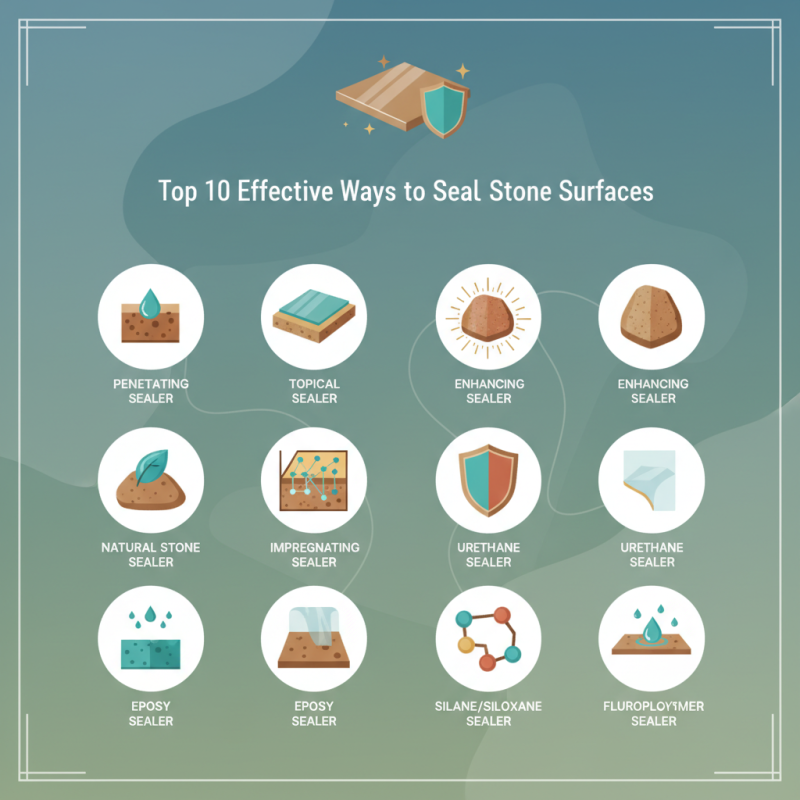
Top 10 Effective Ways to Seal Stone Surfaces?

Understanding Different Types of Stone Surfaces and Their Needs

When sealing stone surfaces, understanding the types of stones involved is crucial. Different stones like granite, limestone, and marble have unique characteristics. For instance, granite is less porous and requires less frequent sealing compared to limestone, which can absorb liquids quickly, leading to stains. A report from the Natural Stone Institute highlights that 85% of stone damage results from improper sealing.

[Image] Surface porosity affects the choice of sealers. Porous stones benefit from penetrating sealers, while denser stones can use topical sealers for a glossy finish. The International Facility Management Association notes that improperly sealed stones can lead to costly repairs, with estimates averaging around $1,500 per incident. The right sealer ensures longevity and maintains the aesthetic appeal of stone surfaces.

Many homeowners overlook the sealing process altogether. This lack of awareness can cause various issues, including discoloration and structural damage. Carrying out a simple water test can reveal a stone's porosity and sealing needs. Learning about specific stone characteristics is essential to avoid common mistakes. Seeking advice from professionals can aid in grasping these complexities.

Preparing the Surface: Cleaning and Repairing Before Sealing

Preparing a stone surface for sealing is crucial for achieving long-lasting results. Start by thoroughly cleaning the surface to remove dirt, grime, and old sealant. An effective cleaning solution can be a mixture of water and a pH-neutral cleaner. Studies show that a clean surface can enhance sealant adhesion by up to 40%. This emphasizes the importance of investing time in proper cleaning techniques.


After cleaning, check for any damages like cracks or chips. Even minor blemishes can affect the sealing process. Repairing these issues is essential. Use a suitable filler designed for stone. Ensure it completely cures before applying the sealant. A survey indicated that 30% of stone maintenance failures stem from inadequate surface preparation.


Tips: Always test your cleaning solution on a small, inconspicuous area. This will prevent any potential damage. Moreover, consider environmental factors such as temperature and humidity when sealing. These elements can impact the curing process. Lastly, avoid rushing. Patience during the preparation stage results in a more durable finish.

Choosing the Right Sealant: Types and Applications Explained

Choosing the right sealant for stone surfaces can feel overwhelming. Various options exist, each with unique properties.
Acrylic sealants are popular due to their ease of application. They work well on porous stones like limestone and sandstone. However, their durability might not match that of more robust sealants.

Penetrating sealers are another option. These options contain silane or siloxane and can deeply infiltrate stone. They offer excellent water resistance and protect against stains. Nonetheless, the application process requires precision. Improper application can lead to uneven finishes or persistent residue.

For outdoor surfaces, check UV protection features. Some sealants break down in sunlight, reducing protection. Not every sealant suits every stone type; compatibility is critical. Always conduct a small test before applying a new sealant. This simple step can prevent costly mistakes. Balancing effectiveness and ease of use can also prove challenging. It’s essential to weigh these factors carefully.

Application Techniques: Step-by-Step Guide to Sealing Stone

Sealing stone surfaces is essential for their longevity. Applying a sealant enhances durability and prevents stains. Each step is critical for achieving effective results.

Begin by cleaning the stone thoroughly. Use a pH-neutral cleaner and scrub gently. Make sure all debris is removed. After cleaning, let the surface dry completely. This step is often overlooked, yet any moisture can lead to bubbling under the sealant.

Once the surface is dry, apply the sealant evenly using a sponge or roller. Work in small sections to ensure complete coverage. Follow the manufacturer's instructions for drying times. Remember, applying too much sealant can cause an unsightly finish. If any areas appear uneven, take time to reapply as needed.

After sealing, allow ample time for curing. This can vary based on the type of sealant used. Always check the seal's effectiveness by sprinkling water on the surface. The water should bead up. If not, reflect on your application technique and consider re-sealing in the future.

Maintaining Sealed Stone Surfaces: Tips for Longevity and Care

Sealing stone surfaces is just the beginning. Proper maintenance ensures their beauty and durability. Regular cleaning is crucial. Use a pH-neutral cleaner to avoid damaging the seal. Wipe up spills immediately, especially acidic substances like citrus. They can erode the seal and affect the stone.

Check the sealant every six months. Look for signs of wear and reapply if needed. It’s easy to let this slide, but neglect can lead to costly repairs. Avoid heavy scrubbing, as this can wear down the sealer. Instead, use a soft cloth or sponge for gentle cleaning.

Humidity can affect stone surfaces too. Consider using a dehumidifier in damp areas. This helps prevent mold and mildew. Even sealed stones can absorb moisture over time. Actively monitoring your stone surfaces will save you trouble later. Taking these simple steps ensures your stone surfaces remain vibrant and strong for years to come.

FAQS

: What types of sealants are available for stone surfaces?

: There are various sealants, including acrylic and penetrating sealers, each with unique properties.

How should I clean the stone before sealing?

Use a pH-neutral cleaner and scrub gently. Ensure all debris is removed for a clean surface.

Why is it essential to let the surface dry completely?

Any remaining moisture can cause bubbling under the sealant. Drying is often overlooked but crucial.

How do I apply sealant evenly?

Use a sponge or roller and work in small sections. This ensures complete coverage without excess.

What should I do if I notice uneven areas after sealing?

Take time to reapply sealant in uneven areas for a smoother finish. It’s an important step.

How often should I check the sealant?

Check every six months. Look for wear and reapply if necessary to prevent future damage.

Can humidity affect sealed stone surfaces?

Yes, humidity can still impact sealed stones. A dehumidifier may help prevent moisture issues.

How can I tell if my sealant is effective?

Sprinkling water on the surface should result in beading. If water soaks in, consider re-sealing.

What cleaning method is best for maintaining sealed stone surfaces?

Use a soft cloth or sponge. Avoid heavy scrubbing to prevent wearing down the seal.

What should I do when spills occur?

Wipe up spills immediately, especially from acidic substances, to protect the seal and stone.

Conclusion

In the article "Top 10 Effective Ways to Seal Stone Surfaces," readers are guided through essential steps on how to seal stone surfaces effectively. The piece begins with an overview of various types of stone surfaces, emphasizing the distinct needs of each type to ensure appropriate treatment. It then highlights the importance of thorough cleaning and repairing before sealing, ensuring a solid foundation for the sealant application.

Further, the article explains the different types of sealants available, including their specific applications, helping readers make informed choices. A detailed step-by-step guide outlines effective application techniques, ensuring optimal results. Finally, maintaining sealed stone surfaces is addressed, offering practical tips to enhance longevity and care. With this comprehensive approach, readers gain valuable insights into the process of sealing stone surfaces effectively.

Oliver

Oliver

Oliver is a seasoned marketing professional with a wealth of expertise in driving brand awareness and engagement. With a deep understanding of our company's product offerings, he consistently delivers high-quality content that enriches our professional blog. His insights not only shed light on......