Avoid These Common Stone Installation Mistakes in 2026?

Time:2026-06-07 Author:Sophia
0%

As the demand for natural stone continues to rise, the importance of proper installation cannot be overstated. The natural stone market was valued at over $45 billion in 2023 and is projected to grow significantly in the coming years. However, many projects fall short due to **Common Stone Installation Mistakes**. These errors not only affect the aesthetic appeal but also compromise the long-term durability of installations.

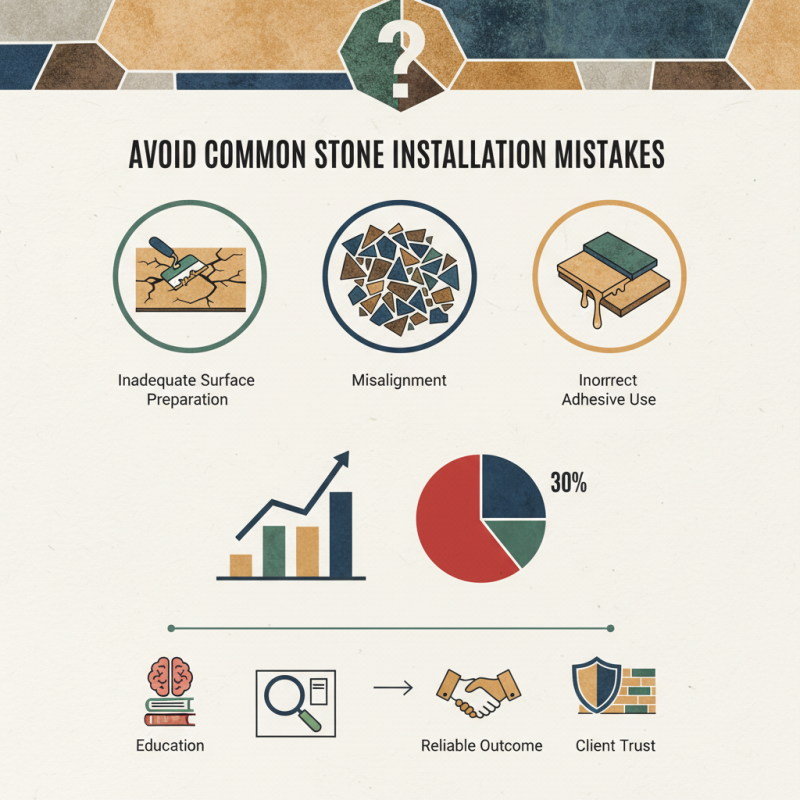
Industry reports indicate that up to 30% of installations face issues directly related to improper techniques or poor planning. Common mistakes include inadequate surface preparation, misalignment, and incorrect adhesive use. These errors can lead to costly repairs and a negative impact on client trust. It’s crucial for both DIY enthusiasts and professionals to recognize these pitfalls and prioritize best practices.

Investing time in educating oneself about proper installation techniques is essential. This can significantly reduce the chances of facing these installation challenges. Reflecting on past projects can also provide valuable insights. By acknowledging past mistakes, the industry can improve and foster higher standards. The goal is clear: minimize errors in stone installation for a more reliable and beautiful outcome.
Avoid These Common Stone Installation Mistakes in 2026?

Understanding the Importance of Proper Stone Installation Techniques

Proper stone installation techniques are crucial for ensuring durability and aesthetic appeal. Many homeowners overlook the importance of proper preparation. Failing to assess the subgrade can lead to cracking and shifting. The surface must be level and stable. Ensure that the materials used are clean and free of contaminants. Dust and debris can weaken the bond.

When working with natural stone, it’s vital to allow for expansion and contraction. Cold weather can cause stones to crack if not properly installed. Always leave adequate joints. These joints should be filled with flexible sealers to accommodate movement. Miscalculating this can lead to extensive repairs.

Tip: Always consult with an experienced installer. Their insights can help avoid costly mistakes. Additionally, consider the kind of stone you choose. Some stones require more maintenance. Know what works best for your environment. Pay attention to the local climate. This can greatly affect stone performance.

Avoid These Common Stone Installation Mistakes in 2026

Common Mistakes to Avoid When Selecting Stone Materials

Selecting the right stone materials for your project is crucial. One common mistake is choosing stone based solely on appearance. While aesthetics matter, other factors like durability and maintenance are equally important. A beautiful slab may not withstand harsh weather. It's vital to evaluate how each type of stone performs over time.

Another mistake is failing to consider the stone's origin. Some stones may come with environmental or ethical concerns. Local stones often have fewer transportation-related issues and can support local economies. Ignoring this aspect can lead to regret later. Always research the source of your materials.

Size and shape also play a significant role in installation. Miscalculating the dimensions can lead to wasted resources and time. Always double-check measurements. In installations involving multiple pieces, consistency in thickness is essential to prevent uneven surfaces. A solid understanding of these factors can lead to a more successful stone installation.

Step-by-Step Guide to Preparing the Installation Site

Preparing the installation site is crucial for a successful stone project. Begin by assessing the area thoroughly. Remove any existing debris or vegetation. Check for uneven surfaces and clear any obstacles. This step sets the foundation for a smooth installation. While this may seem simple, overlooking it can lead to complications later.

Next, ensure proper drainage and stability. Poor drainage can result in water pooling under stones, causing shifting and cracking. Use gravel or sand to create a stable base. Along with this, measure the area accurately. It’s surprising how often miscalculations occur. Incorrect measurements can lead to uneven placement and wasted materials.

Finally, do not skip the compaction process. Compact the base material before laying stones. This adds firmness and prevents settling over time. Many skip this step thinking it’s not necessary, but it makes a difference. Take the time to do it right. A little extra effort now can save major headaches later.

Essential Tools and Equipment for Successful Stone Installation

When it comes to stone installation, having the right tools is crucial. A sturdy trowel and a level ensure even placement of stones. A rubber mallet helps in adjusting stones without causing damage. Safety gear is often overlooked but essential. Gloves protect your hands from sharp edges. Knee pads can prevent discomfort during prolonged work.

Mixing mortar correctly is another often neglected aspect. The right consistency makes a big difference in adhesion. Using a bucket mixer can save time and achieve uniformity. Additionally, consider a joining tool for clean seams between stones. Without these tools, the final result may lack professionalism and durability.

Installation can become frustrating without efficient equipment. A laser level provides accurate alignment, while a saw is needed for cutting stones to fit. Sometimes, contractors underestimate the planning stage. Rushing into installation without proper measurements leads to mistakes later. Each tool plays a vital role in achieving a lasting outcome.

Best Practices for Maintaining Installed Stone Work Over Time

Maintaining installed stone work is crucial for longevity. Regular cleaning helps prevent dirt and grime buildup. According to industry reports, neglecting maintenance can reduce the lifespan of stone installations by up to 40%. This means more frequent repairs and replacements, significantly increasing costs.

Sealing is another important practice. Stones, especially porous types, need sealing to protect against moisture. A well-applied sealant can extend the life of stone surfaces by as much as five years. However, many homeowners forget to reseal their stone work, leading to degradation over time.

The climate also plays a significant role. In areas with severe weather conditions, stones can suffer from freeze-thaw cycles. This can lead to cracking, a common issue that installers face. Monitoring weather conditions and adapting maintenance schedules accordingly can reduce damage. Awareness of local environmental factors is essential for better upkeep.

Avoid These Common Stone Installation Mistakes in 2026? - Best Practices for Maintaining Installed Stone Work Over Time

Mistake Impact Best Practice
Insufficient Surface Preparation Poor adhesion leading to cracks. Thoroughly clean and level the surface before installation.
Incorrect Thinset Application Inconsistent bond strength. Follow manufacturer guidelines for application thickness.
Ignoring Expansion Joints Cracking due to movement. Include expansion joints as per industry standards.
Using Low-Quality Materials Reduced durability and performance. Invest in high-quality stone and installation products.
Neglecting Sealing Staining and moisture infiltration. Seal stones regularly to maintain integrity.

FAQS

: Why is proper stone installation important?

: Proper installation ensures durability and enhances aesthetic appeal. Neglecting it can lead to issues later.

What can happen if the subgrade is not assessed?

Failing to assess the subgrade can cause cracking and shifting. This leads to costly repairs over time.

How should I prepare the installation site?

Start by clearing debris and checking for uneven surfaces. This sets a strong foundation for your project.

What is the role of drainage in stone installation?

Proper drainage prevents water pooling under stones. Water buildup can cause shifting and cracking.

Why is compaction of the base material necessary?

Compacting the base material adds firmness. Skipping this step can cause settling issues later.

What tools are essential for stone installation?

Use a level, trowel, and rubber mallet. These tools help achieve even placement and prevent damage.

How can wrong measurements affect the installation?

Incorrect measurements lead to uneven placement and wasted materials. This can be frustrating during installation.

What should I consider regarding the local climate?

The local climate affects stone performance. Some stones may require more maintenance in specific conditions.

What is the best way to mix mortar?

Mix mortar to the right consistency. Using a bucket mixer saves time and ensures uniformity.

Should I consult with an experienced installer?

Yes, consulting an experienced installer can help avoid costly mistakes and improve the installation outcome.

Conclusion

In the quest for achieving a flawless stone installation in 2026, understanding the importance of proper techniques is crucial. Common stone installation mistakes, such as inadequate site preparation and poor selection of materials, can significantly compromise the quality and longevity of the project. It is essential for homeowners and professionals alike to familiarize themselves with these pitfalls to ensure a successful outcome.

Equipped with fundamental knowledge, one can follow a step-by-step guide to prepare the installation site, which includes assessing the ground's stability and ensuring proper drainage. Utilizing essential tools and equipment effectively further enhances the installation process. Additionally, adopting best practices for maintaining the installed stone work over time will safeguard the investment and preserve its aesthetic appeal. By avoiding common stone installation mistakes, the results can be both beautiful and enduring.

Sophia

Sophia

Sophia is a dedicated marketing professional with an exceptional depth of knowledge about her company's products and services. With a keen understanding of market trends and customer needs, she crafts insightful blog posts that not only inform but also engage readers, enriching the company’s online......