 Jieda Stone
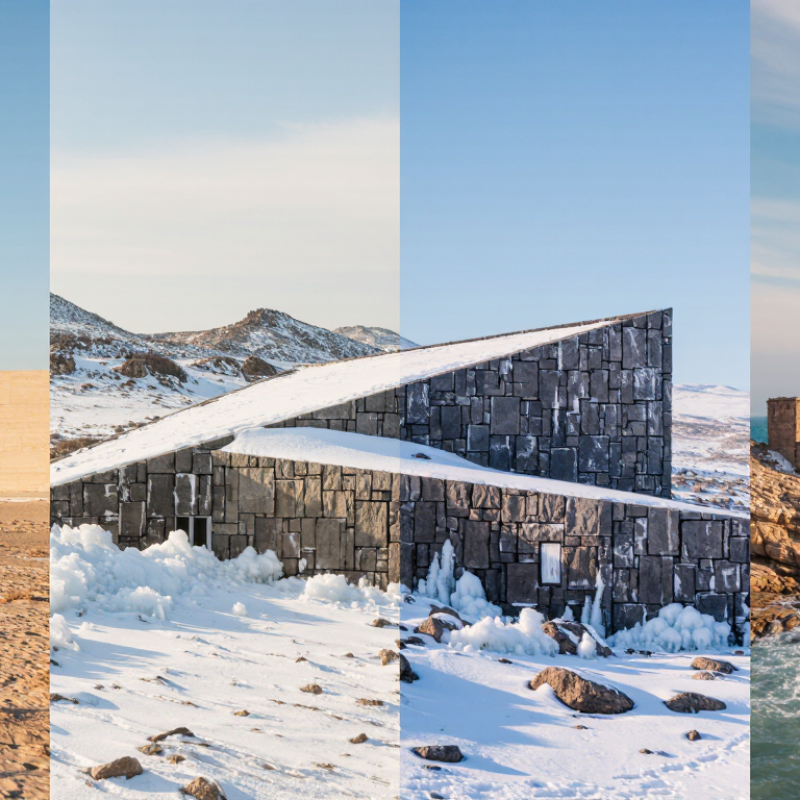
How to Choose Stone for Extreme Climates?
Choosing stone for an extreme climate starts with defining the exposure, not admiring a sample. Record winter lows, summer highs, freeze-thaw cycles, rainfall, humidity, sunlight, and wind. Coastal sites add salt spray. Desert sites add dust and sharp temperature changes. Mountain sites may combine snow, intense ultraviolet light, and rapid drainage. The stone must answer the site’s actual stresses.
For freeze-prone areas check water absorption, open porosity, and resistance to repeated freezing and thawing. Low absorption generally reduces internal ice pressure, but it does not guarantee performance. Ask for test data from recognized standards, such as ASTM or EN methods. Review the tested thickness, finish, and installation conditions. A polished surface can behave differently from a flamed or textured one. Details matter.
Heat creates another problem. Dark stone can become extremely hot, while sudden cooling may trigger thermal shock. In salty air, evaluate staining risk and the compatibility of stone, mortar, anchors, and sealants. Strong drainage is essential because trapped water can damage even durable materials. On real projects, failures often begin at joints, corners, and poorly sealed edges. Small mistakes become expensive.
I would not rely on a single laboratory result. Inspect comparable local buildings, ask how the stone aged, and study marks left after several winters or summers. No test predicts every site.
