Choosing natural stone materials for your home can be challenging. The beauty and durability of natural stone make it a popular choice. According to the National Kitchen and Bath Association (NKBA), 40% of homeowners prefer natural stone for countertops. However, the selection process can be overwhelming.
When choosing, consider factors like type, color, and texture. Each stone has unique properties. For example, granite is durable, while marble offers elegance but is more porous. Homeowners often underestimate maintenance needs. Neglecting this can lead to expensive repairs down the line.
Understanding "How To Choose Natural Stone Materials" involves research and careful planning. Speak with experts and explore showrooms. Collect samples to see how they fit in your space. With thoughtful consideration, you can enhance your home’s beauty. This journey may not always be straightforward, but it is rewarding.
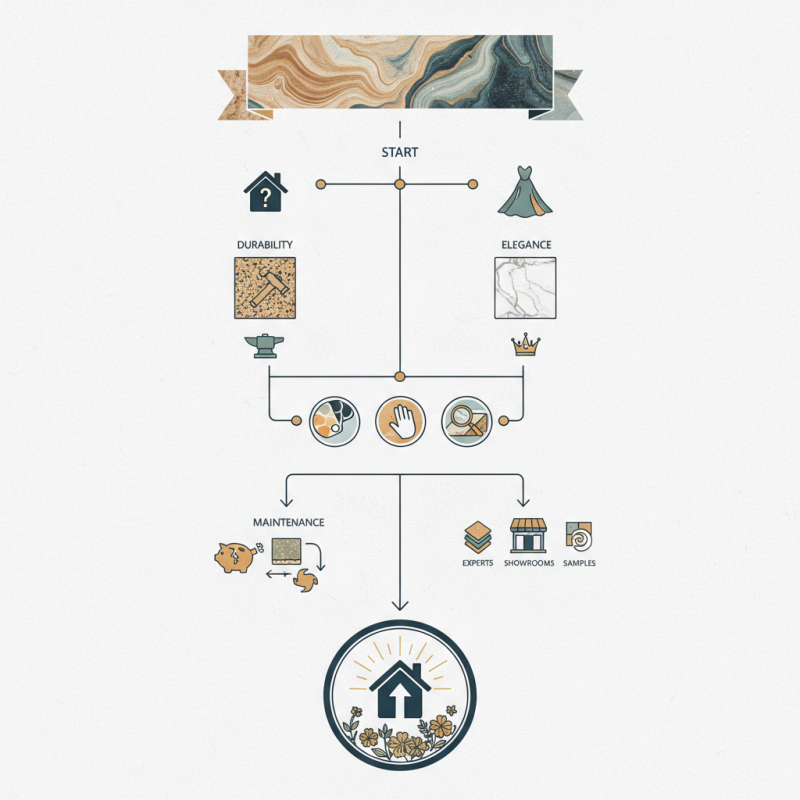
When choosing natural stone materials, understanding the different types is essential. Each stone has unique characteristics. For instance, granite is durable and scratch-resistant. It works well in kitchens, thanks to its heat resistance. However, it can be expensive and may require sealing to prevent stains.
On the other hand, limestone offers a softer texture and a more rustic appearance. It is suitable for flooring and wall cladding, creating a warm atmosphere. But limestone can be prone to scratches and stains. Cleaning here needs care and attention. Marble is another option that adds elegance to any space. Its veining patterns are breathtaking. Yet, it can be fragile and requires gentle maintenance.
Not every stone will work for every home. Your choice should also consider your lifestyle. Think about the activities in your space. Will there be heavy foot traffic? Are there kids and pets? These elements influence the selection process. Noticing these details makes the difference in lasting beauty.
| Type of Stone | Characteristics | Common Uses | Maintenance Level |
|---|---|---|---|
| Marble | Elegant, veined, available in many colors | Countertops, floors, luxury bathrooms | Moderate |
| Granite | Durable, heat resistant, unique patterns | Kitchen countertops, outdoor surfaces | Low |
| Slate | Natural split surface, waterproof | Roofs, flooring, outdoor patios | Low |
| Limestone | Soft, can be polished, earthy colors | Interior flooring, facades | Moderate |
| Travertine | Textured, porous, available in neutral tones | Patios, pool decks | High |
When choosing natural stone materials, durability is essential. Different stones vary significantly in strength and longevity. Granite, for instance, is known for its toughness. It resists scratches and heat well. Limestone, however, is softer and more porous. It could stain easily if not sealed properly. This may lead to frequent maintenance.
Maintenance requirements also differ. Some stones, like marble, may need regular polishing to maintain their appearance. Others might require just a simple wash. Consider how often you are willing to clean and care for your stone surfaces. Think about your lifestyle too. If you have children or pets, a more durable option may be preferable.
It’s also wise to consider the environment. Some stones may weather poorly in harsh climates. For example, softer stones can erode quickly in areas with heavy rainfall. Take the time to research and evaluate each option. Don’t rush. Choosing the right stone can prevent future headaches and costly repairs.
Choosing natural stone for your home can be overwhelming. Stone comes in various colors and patterns. The right choice affects the overall look and feel of your space. According to a recent industry report, 72% of homeowners prefer unique stone features. However, personal preferences should guide your decisions.
When selecting stone, consider the color variations. For instance, granite often shows bold patterns, while marble may offer soft, elegant veining. Sometimes, unexpected tones might emerge from stone’s natural imperfections. Embrace those flaws. They can add character. A study indicates that buyers are increasingly valuing unique aesthetics over uniformity. Don't shy away from what feels right, even if it diverges from trends.
**Tip:** Gather samples and observe them in natural light. Colors shift throughout the day. This affects how the stone will look in your home.
**Tip:** Compare textures and finishes. Polished surfaces have a different visual impact compared to honed or brushed finishes. Think about maintenance, as well. Some stones require more care than others.
Incorporating natural stone into your home is a commitment. The choice should resonate with your style. It's not just about trends but what feels personal. Don’t rush the decision. Take time to explore options. Consider how the stone integrates with your overall design vision.
Choosing natural stone materials for your home involves careful financial planning. The cost of natural stone varies widely based on type, grade, and source. For example, granite may cost more than limestone. Homeowners should prepare for additional costs, such as labor and installation. These expenses can significantly affect your budget.
You might underestimate the need for sealing or maintenance when selecting natural stone. Many believe that once installed, it’s low maintenance. In reality, some stones require regular sealing. This not only adds to the upfront costs but also long-term maintenance expenses. It is wise to consider how long you plan to stay in your home. If it is a short stay, extravagant choices may not make sense.
Moreover, the quality of stone can be misleading. What looks beautiful at first glance may have hidden flaws. Impulsively choosing based on appearance can lead to regret. Research is essential. Visit showrooms, examine samples, and consider online reviews. Getting multiple quotes from professionals will give a clearer financial picture. Balancing beauty and budget is crucial in this decision-making process.
Choosing the right natural stone for different areas in your home involves careful consideration. For kitchens, durability is key. Granite and quartzite are popular options due to their hardness. They resist scratching and heat, making them ideal for countertops. However, some owners find that lighter stones can stain more easily. Be mindful of the sealing process. It’s essential to maintain your stone’s protective barrier.
In bathrooms, softer stones like marble offer elegance. They create a luxurious feel but can be less durable than harder options. Water exposure can lead to damage if not sealed properly. Consider using marble for accents rather than primary surfaces. This decision not only enhances beauty but also reduces maintenance concerns.
Outside, flagstone is great for patios. It provides a rustic look and is slip-resistant. However, installation requires skill. Uneven surfaces can lead to safety hazards, so plan carefully. Choosing the right stone takes time. It’s crucial to think about long-term implications.
: Consider the strength and longevity of the stones. For example, granite is tough and heat-resistant.
Maintenance varies. Some stones need regular polishing, while others might just need occasional washing.
If you have children or pets, opt for more durable stones to prevent wear and tear.
Yes, softer stones may erode in harsh weather, like heavy rainfall. Research is necessary before choosing.
Embrace natural variations. Unique colors and patterns can add character to your space.
No, flaws can enhance beauty. Aesthetics over uniformity is increasingly valued by many buyers.
Observe them in natural light. Colors change throughout the day, impacting their appearance at home.
Granite or quartzite work well due to their scratch and heat resistance.
Yes, marble offers elegance but holds water. Consider using it for accents to minimize issues.
Flagstone is ideal for patios. It looks rustic but requires careful installation to ensure safety.
When considering "How To Choose Natural Stone Materials" for your home, it's essential to first understand the various types of natural stone available. Each type has its own unique characteristics, making it crucial to evaluate their durability and maintenance needs. This assessment will help you determine what suits your lifestyle and the specific areas of your home where the stone will be used.
In addition to functionality, the aesthetic appeal and color variations of the stone must also be weighed. An ideal choice not only complements your home’s design but also reflects your personal style. Furthermore, considering the cost implications will help you stay within budget while making a selection that meets your requirements. By carefully assessing these factors, you can confidently select the right natural stone materials that enhance the beauty and functionality of your living spaces.

Jieda Stone