China’s stone surfaces bring natural texture and lasting character to homes, hotels, and commercial spaces. Marble, granite, limestone, and engineered stone each respond differently to moisture, heat, and cleaning products. Marble may etch when acidic juice sits on it. Granite is often more resistant, but seams and finishes still need attention. Small details matter.
In China, busy kitchens, humid bathrooms, tracked-in dust, and frequent cleaning can all affect a stone surface over time. A damp ring near the sink or cooking oil beside a hob may seem minor, yet repeated exposure can leave stains or dull patches. Stone Maintenance Tips For Longevity start with identifying the material and understanding its finish, rather than using one cleaner everywhere. The guidance in this article focuses on practical habits: wiping spills promptly, using pH-neutral cleaners, choosing soft cloths, and following the stone supplier’s sealing instructions. These steps are simple, but they are easy to overlook.
There is no universal care routine. Before using a new product, test it on a discreet area and check the manufacturer’s directions. Even careful owners sometimes discover damage only after a surface has changed. Regular inspection can help catch small issues early, though it cannot prevent every mark. With informed daily care and realistic expectations, stone can remain attractive and functional for years.
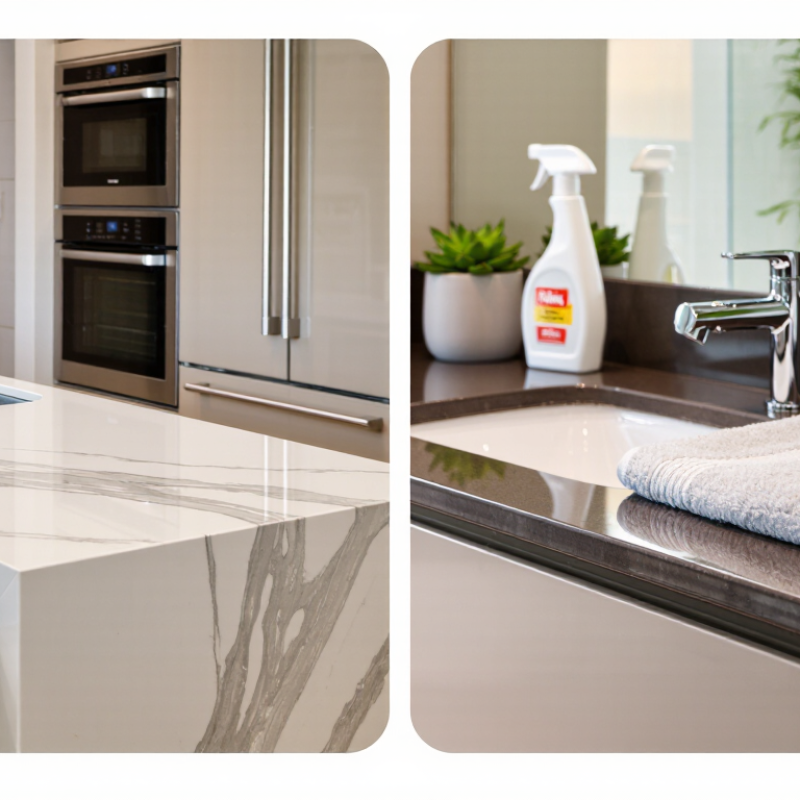
Identify Stone Types and Their Specific Care Requirements
Stone care depends on mineral composition, porosity, and finish. Granite usually tolerates routine kitchen use well, but its performance varies by slab. Marble and limestone contain calcite, so acidic spills such as lemon juice can etch the surface. Blot them quickly; do not scrub. Slate often has a naturally textured surface that traps dust, while quartzite generally resists acids better than marble. Still, labels can be confusing, so confirm the stone’s identity with the supplier.
Ask for the slab’s ASTM C97/C97M water-absorption test results. This ASTM standard measures absorption as a percentage by weight, giving you a useful, stone-specific data point rather than a broad label such as “low porosity.” The Natural Stone Institute’s care guidance recommends pH-neutral cleaners for stone and warns against acidic products on calcite-based surfaces. A practical test: place a few drops of water on an inconspicuous area and check whether the stone darkens. This is only a screening check, not a substitute for lab data. Sealers may slow staining, but they do not make stone stainproof. Over-sealing can also leave residue; that part is easy to overlook.
Stone Hardness and Care Requirements
Mohs hardness indicates scratch resistance, not stain resistance. Use a pH-neutral cleaner for all these stones. Marble and limestone are especially sensitive to acids, so avoid vinegar, lemon juice, and acidic cleaners. For granite, quartzite, and slate, follow the stone supplier’s sealing guidance; sealing needs vary by stone and finish.
Clean Stone Surfaces Safely with Suitable Products
Natural stone lasts longer when cleaning products match the surface. Marble and limestone can react to acidic cleaners, including vinegar and citrus-based solutions. Choose a pH-neutral stone cleaner, and check its label for the stone type before use. A product marked “natural” is not automatically suitable.
Tips: Dust with a soft microfiber cloth first. Spray cleaner onto the cloth, not directly onto the stone, and wipe gently. Rinse away residue with clean water, then dry the surface. Test any new product in a hidden corner. Small test spots matter.
Blot spills quickly, especially coffee, oil, or wine; rubbing can spread them. Use a soft cloth and avoid abrasive pads, scouring powders, and harsh bathroom sprays. I once assumed a quick wipe was enough, but cleaner residue left a dull film near a sink. It took a few rinses to clear. Even a careful routine can miss a detail, so check the surface under side lighting. If a stain remains, avoid stronger chemicals and ask a stone-care professional about the material and finish.
Prevent Scratches, Stains, Heat Damage, and Moisture
Stone care is mostly about stopping small damage early. Sand trapped under a mug can act like fine abrasive grit, while acidic spills may dull marble. The Natural Stone Institute’s Care & Cleaning guidance recommends prompt spill cleanup and cleaners suited to the stone. Blot; do not scrub a spill across the surface. A dull patch can be permanent.
Moisture resistance varies by stone and finish. ASTM C615/C615M sets a maximum water absorption of 0.40% for qualifying granite dimension stone. That test limit does not mean every granite countertop is stain-proof, or that other stones behave the same way. Use coasters under cold glasses, trivets under hot pans, and cutting boards to prevent scratches. Dry water around sinks and faucets, where repeated droplets can leave marks.
Tips: Wipe spills with a soft cloth and mild, pH-neutral cleaner. Avoid abrasive pads and acidic cleaners on sensitive stone. Reseal only when the stone and product guidance call for it. Even careful routines miss a spill sometimes. Check the surface in daylight; a faint ring is easy to overlook.
China Top Stone Care Tips for Long Lasting Durability - Prevent Scratches, Stains, Heat Damage, and Moisture
| Stone type |
Prevent scratches and wear |
Prevent stains and etching |
Protect from heat |
Manage moisture and routine care |
| Granite |
Use a cutting board; grit and dragged cookware can scratch or dull the finish. |
Wipe spills promptly, especially oil. Seal only when appropriate for the specific stone and sealer; sealing reduces absorption but does not make the surface stain-proof. |
Use trivets for hot cookware to reduce the risk of thermal shock or damage to nearby sealant. |
Clean with a soft cloth and a pH-neutral stone cleaner; dry standing water around seams and edges. |
| Marble |
Use cutting boards and non-abrasive cloths; avoid scouring powders and rough pads. |
Keep lemon juice, vinegar, wine, and other acids off the surface. Acids can etch marble, leaving a dull mark that is different from a stain. Blot spills instead of rubbing. |
Place hot pots and pans on trivets; sudden temperature changes may damage the stone or finish. |
Use a pH-neutral stone cleaner and dry the surface after cleaning. In wet areas, provide ventilation and remove lingering water. |
| Limestone and travertine |
Protect the finish with boards, mats, and soft cleaning tools; sand and grit can abrade softer surfaces. |
Avoid acidic cleaners and foods, which can etch calcium-based stone. Blot spills quickly and use a compatible sealer if recommended for the installation. |
Use trivets rather than placing hot cookware directly on the stone. |
Dry wet surfaces and keep grout and joints in good condition. Use only cleaners labeled safe for calcareous natural stone. |
| Slate |
Sweep or dust regularly to remove grit; use furniture pads and avoid dragging heavy objects across floors. |
Clean spills promptly. Whether sealing is useful depends on the slate and finish, so follow the stone supplier's care guidance. |
Use trivets or heat-resistant mats; avoid exposing the surface to abrupt temperature changes. |
Use a damp mop with a pH-neutral cleaner and avoid leaving puddles, particularly near grout or unsealed edges. |
| Quartzite |
Use a cutting board and lift heavy cookware instead of sliding it; mineral composition and hardness can vary by slab. |
Wipe spills promptly. Some quartzite may benefit from sealing, but requirements vary; follow the fabricator's instructions and test the surface as directed. |
Use trivets as a precaution against thermal shock and potential damage to sealants or adjacent finishes. |
Clean with a pH-neutral stone cleaner, rinse if needed, and dry standing water around seams. |
General care: identify the stone before choosing a cleaner or sealer, follow the product label, and test cleaners in an inconspicuous area. Avoid abrasive pads and acidic cleaners on calcium-based stones such as marble, limestone, and travertine.
Remove Common Stains Without Harming the Stone
Natural stone stains are easier to manage when you identify the likely source before cleaning. Start by blotting fresh spills with a soft, dry cloth; rubbing can spread liquid into pores or scratch loose grit across the surface. For everyday residue, use warm water and a pH-neutral stone cleaner. Wipe gently, rinse with clean water, and dry with a towel to prevent dull marks.
Oil from cooking can darken marble or limestone. A stone-safe poultice may draw out some stains, but follow its directions and test an unseen spot first. For coffee, tea, or fruit, avoid vinegar and lemon juice, especially on calcium-based stone. Acids can etch the finish, leaving a pale mark that is not simply dirt. If a stain remains, ask a qualified stone-care professional before trying stronger products. Even careful cleaning has limits.
Tips: Blot, don’t scrub. Test cleaners in a hidden area. Keep separate cloths for spills and rinsing. A test feels like an extra chore, but skipping it is often the step people regret. If the mark changes the stone’s texture or sheen, stop cleaning and get advice.
Seal and Maintain Stone on a Regular Schedule
China Top Stone Care Tips for Long Lasting Durability
Seal and Maintain Stone on a Regular Schedule
A reliable care schedule starts with the stone, not a calendar reminder. Granite, marble, and limestone absorb moisture differently, so a single resealing interval can mislead. ASTM C97/C97M, an industry test method, measures stone water absorption after 48 hours of immersion. That test helps explain why two lookalike countertops may need different care. At home, place a few drops of water on a clean, dry area and watch for darkening. If the stone darkens quickly, ask a stone-care professional whether a penetrating sealer is suitable. The Natural Stone Institute notes that sealers can reduce staining but do not make stone stain-proof.
Set a recurring inspection date, perhaps every six months, and record what you see. Check busy spots near the sink, stove, and shower; look for dull patches, darkened edges, or water that no longer beads. Clean spills promptly with a soft cloth and a pH-neutral stone cleaner. Avoid acidic products on calcite-based stone, including marble and limestone, because acids can etch the surface rather than stain it. Reapply sealer only when testing or the product instructions indicate it is needed. More sealer is not always better. I sometimes forget to check the quiet corner behind the soap bottle. That small oversight can hide a slow leak or a worn finish.
Conclusion
Stone lasts longer when its care matches its type. Marble, granite, limestone, slate, and other stones can differ in porosity, sensitivity, and tolerance for acidic or abrasive substances, so identify the surface before cleaning it. Use a soft cloth or mop and a stone-appropriate, pH-neutral cleaner; avoid harsh chemicals, rough pads, and untested treatments that may dull or damage the finish.
Simple daily habits help prevent scratches, stains, heat damage, and moisture problems. Use coasters, trivets, and protective pads, wipe spills promptly, and keep surfaces dry where practical. For stains, choose a removal method suited to both the stain and stone, testing it in an inconspicuous area first. Include Stone Maintenance Tips For Longevity in a regular routine by checking the surface periodically and resealing when needed, following guidance appropriate to the stone and its use.

 Jieda Stone