Best Stone Selection Tips for Wet Areas in Your Home?

Time:2026-07-02 Author:Madeline
0%

When considering the best stone selection for wet areas in your home, one must prioritize both aesthetics and practicality. According to expert Daniel Flint, author of the "Stone Selection For Wet Areas Guide," "Choosing the right stone can transform your wet spaces while ensuring safety and durability." This highlights the importance of selecting stones that can withstand moisture while maintaining a stylish look.

In wet areas, such as bathrooms and kitchens, the right stone can prevent slipping and reduce maintenance needs. Popular choices include granite and slate, known for their low porosity and high resistance to water damage. However, not all stones are created equal. Some might look appealing but can lead to mold growth or require frequent sealing. It is crucial to research each option thoroughly before making a decision.

While many homeowners may rush the selection process, thoughtful consideration can result in a more functional and beautiful environment. Mistakes in stone selection can lead to costly repairs and safety hazards. Ultimately, a well-informed choice not only enhances the aesthetics of your home but ensures a safe and durable surface for years to come.
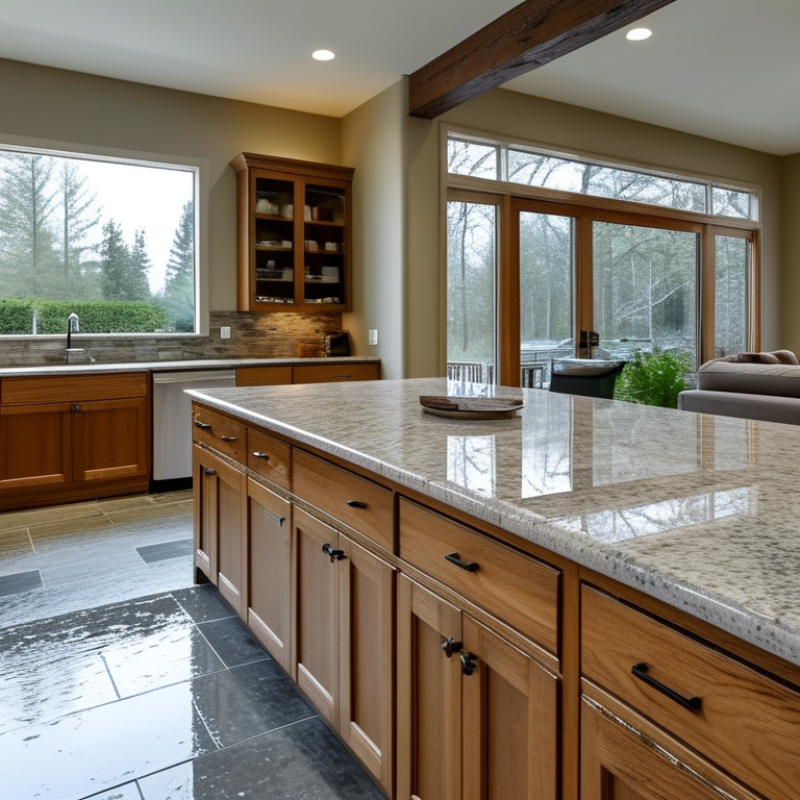
Best Stone Selection Tips for Wet Areas in Your Home?

Understanding the Unique Challenges of Wet Areas in Home Design

Designing wet areas in your home presents unique challenges. Bathrooms, kitchens, and laundry rooms deal with moisture daily. Choosing the right materials is essential to prevent long-term damage. Stone can be a beautiful and durable choice, but it requires careful consideration. Not all stones are suitable for wet environments. Some may absorb water, leading to stains and structural issues.

Granite and quartzite are popular options due to their low porosity. They resist water and stand up well to everyday use. However, even these stones require sealing to enhance their durability. Make sure to reapply sealants regularly. This maintenance is vital, yet many homeowners overlook it. They may also struggle with proper installation techniques, often leading to unanticipated water damage.

Another critical factor is the surface texture. Polished stones look appealing but can be slippery when wet. A honed finish may offer better traction. Careful selection of grout is equally important. Choosing the wrong type can lead to mildew growth. Keep in mind the aesthetics of your space too. Balancing beauty with functionality in wet areas takes thoughtful planning and reflection. Each choice can impact your home's longevity and safety.

Essential Characteristics of Stones Suitable for Moist Environments

When choosing stones for wet areas in your home, specific characteristics are essential. The stone must be durable, moisture-resistant, and able to withstand various conditions. Natural stones like granite or slate offer a good balance. Their resistance to water and staining makes them suitable for bathrooms, kitchens, and outdoor spaces.

It's vital to consider the stone's porosity. Low-porosity stones often perform better in wet environments. They absorb less water, which helps prevent mold and mildew growth. However, even low-porous stones require sealing to enhance durability. Regular maintenance is crucial, as neglect can lead to deterioration and fading over time.

Another aspect to explore is slip resistance. Wet areas can be hazardous. Textured stones can provide the needed grip. Some natural stones may be inherently slippery, especially when polished. It’s important to weigh aesthetic preferences against safety needs. Visual appeal shouldn't compromise functionality.

Top Stone Types Ideal for Bathrooms, Kitchens, and Basements

Choosing the right stone for wet areas in your home is essential. In bathrooms, kitchens, and basements, moisture can cause damage to flooring and walls. Certain stone types stand out for their durability and aesthetic appeal. Granite, for instance, is both water-resistant and scratch-resistant. It comes in various colors, making it versatile for any design.

Marble is another popular choice. Its elegant look elevates spaces, but it requires more maintenance. Regular sealing can protect it from stains. Soapstone also has a distinctive charm. Its natural oils provide protection against moisture. However, it may scratch more easily than other stones.

When considering stone, think about the environment. Each type has unique strengths and weaknesses. For instance, too much moisture can damage stone surfaces over time. Regular care is necessary to maintain their beauty and function. Make sure to research and find the best options that fit your space and lifestyle. Selecting stone is not just about looks; it’s about long-term effectiveness and usability in wet spaces.

Best Stone Selection Tips for Wet Areas in Your Home

Stone Type Water Resistance Best Use Areas Maintenance Level Cost Range (per sq.ft.)
Granite High Kitchens, Bathrooms Low $40 - $100
Marble Moderate Bathrooms, Showers Medium $50 - $150
Slate High Bathrooms, Basements Low $30 - $80
Limestone Low Basements, Flooring High $20 - $60
Quartz Very High Kitchens, Bathrooms Low $50 - $150

Maintenance Tips for Preserving Stone Surfaces in Wet Locations

When selecting stone for wet areas, maintenance is crucial. Stone surfaces in bathrooms or kitchens can be prone to mold and mildew. According to industry reports, nearly 30% of homeowners experience issues with water damage in these spaces. Regular maintenance can significantly reduce these risks.

To preserve stone surfaces, start by sealing them. Proper sealing creates a barrier against moisture. Research from the Natural Stone Institute indicates that unsealed stone absorbs water, leading to stains and structural damage. Reseal surfaces annually, especially in high-traffic areas.

Cleaning is another key factor. Use pH-neutral cleansers to avoid damaging the stone. Harsh chemicals can dull the surface and create more maintenance issues over time.

Microfiber cloths are effective at removing grime without scratching. Regularly inspect for signs of wear or water damage. Early detection helps prevent costly repairs. Being proactive is essential for maintaining the beauty and durability of stone in wet areas.

Choosing the Right Sealant for Enhanced Stone Durability in Wet Areas

When selecting stone for wet areas, choosing the right sealant is critical. A proper sealant enhances the stone's durability, protecting it from moisture damage. Natural stones, like marble and granite, are porous. Without sealing, water can penetrate and cause stains or structural issues over time. Investing in a high-quality, water-resistant sealant is essential for long-lasting beauty.

Consider the environment where the stone will be installed. High-traffic areas may require a more robust sealant. Also, the type of stone influences sealant choice. Some stones need penetrating sealants, which soak into the surface. Others benefit from topical sealants, which form a protective layer. Be aware that not all sealants offer the same level of protection.

It's also important to apply sealants correctly. Follow the manufacturer's instructions for the best results. Ensure the surface is clean and dry before applying. Regular maintenance, like re-sealing, will ensure continued protection. A neglected sealant can lead to unexpected challenges. Keeping a consistent maintenance schedule can save time and money in the long run. Reflect on the specific needs of your space and choose wisely.

FAQS

: What are the challenges of designing wet areas in a home?

: Wet areas like bathrooms and kitchens face moisture issues. Proper material choice is crucial to prevent damage.

Why is stone a popular choice for wet areas?

Stone is durable and visually appealing. However, not all stones are suitable for wet environments.

How often should sealants be reapplied?

Sealants should be reapplied regularly. Maintenance is often overlooked yet vital for protecting stone surfaces.

What types of stones are recommended for wet areas?

Granite and quartzite are recommended as they resist water. Low porosity helps prevent stains and damage.

How does surface texture affect safety in wet areas?

Polished stones can be slippery when wet. A honed finish may provide better traction for safety.

What should I consider when choosing grout for wet areas?

The grout type is important. Improper selection can lead to mildew growth and affect cleanliness.

How do I choose the right sealant for my stone?

Select a sealant based on the stone type and environment. Consider high-traffic areas for more durable options.

What is the impact of neglecting sealant maintenance?

Neglecting sealants can lead to unexpected challenges and damage. Regular maintenance prevents costly repairs.

Can sealants vary in their level of protection?

Yes, not all sealants offer the same protection. It’s crucial to choose one that fits your stone’s needs.

Why is aesthetics important in designing wet areas?

Aesthetics should balance with functionality. Each design choice impacts safety and long-term durability in your home.

Conclusion

The "Stone Selection For Wet Areas Guide" addresses the specific challenges posed by wet environments in home design, focusing on the unique requirements for choosing appropriate stones. It highlights essential characteristics of stones that thrive in moisture-laden conditions, ensuring both aesthetics and functionality.

The guide explores various stone types that are particularly well-suited for wet areas such as bathrooms, kitchens, and basements, emphasizing their durability and waterproof qualities. Additionally, it provides maintenance tips to help homeowners preserve stone surfaces and suggests the best sealants to enhance the longevity of their investments. With practical insights, this guide serves as a comprehensive resource for making informed stone selections in areas prone to moisture.

Madeline

Madeline

Madeline is a dedicated marketing professional with a wealth of expertise in our company's core offerings. With a keen understanding of the industry, she brings a unique perspective to her role, consistently delivering high-quality content that highlights the superior aspects of our products. As......