Choosing the right material for high traffic areas is crucial. The best stone for high traffic areas must combine durability and aesthetics. According to renowned architect David Greene, “A strong foundation begins with the best materials.” This philosophy is vital when selecting stone for busy spaces.
High traffic zones experience wear and tear. The ideal stone needs to withstand heavy foot traffic while maintaining appeal. Options like granite or quartzite are popular for their strength and versatility. However, not all high-density stones are suitable for every design.
It is essential to reflect on your space’s unique demands. While many stones boast durability, they may not suit your decor. The best stone for high traffic areas should balance resilience with style. Understanding each stone type’s characteristics will guide your choice effectively.
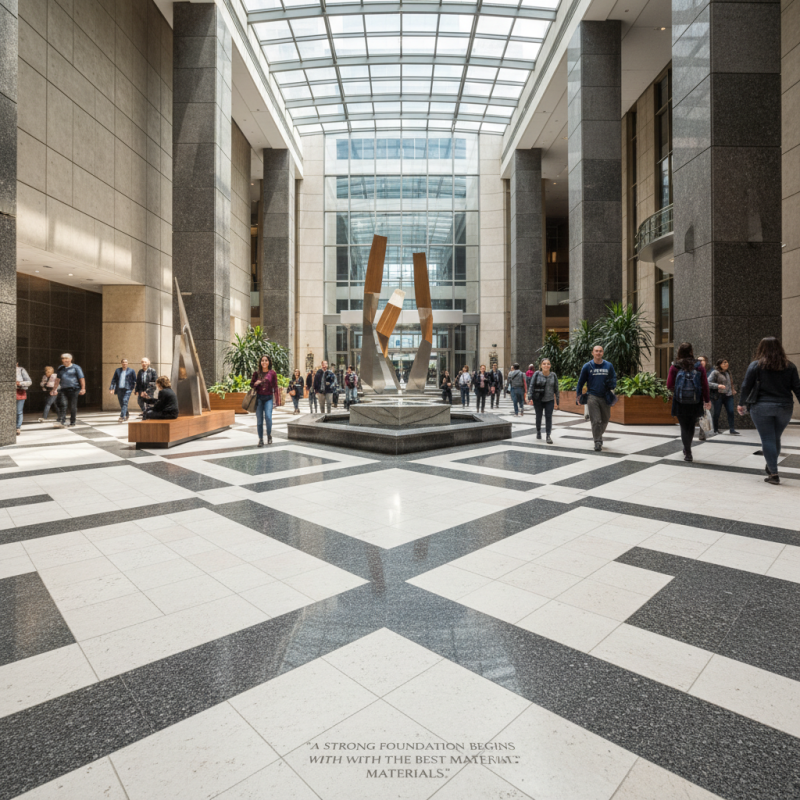
When selecting stone for high traffic areas, durability is crucial. Certain natural stones withstand wear and tear better than others. Granite is a popular choice due to its hardness and resistance to scratches. It’s ideal for entryways and busy kitchens.
Another great option is slate. Its natural texture adds grip, making it safe for wet areas. However, it can be more challenging to maintain. Consider its rougher surface along with your cleaning routine before opting for slate. Limestone offers an aesthetic appeal but may require sealing to resist stains.
Tips: Always check the finish of the stone. Polished surfaces are more prone to slipping. For outdoor spaces, choose stones with a textured finish. Different stones behave differently under pressure, so research their specifics before making a decision. Each type has advantages and disadvantages, so weigh these according to your needs.
| Type of Stone | Durability (1-10) | Slip Resistance (1-10) | Maintenance Level (Low/Medium/High) | Cost per Square Foot ($) |
|---|---|---|---|---|
| Granite | 9 | 7 | Low | 10-20 |
| Slate | 8 | 8 | Medium | 5-15 |
| Marble | 6 | 5 | High | 15-30 |
| Limestone | 7 | 6 | Medium | 6-12 |
| Travertine | 7 | 7 | Medium | 8-18 |
When choosing the best stone for high-traffic areas, it's crucial to consider certain key characteristics. Some stones possess durability, while others exhibit resistance to scratches or stains. For example, granite is often favored for its hard surface and longevity. It can withstand heavy foot traffic without significant wear. Alternatively, quartzite provides a similar level of durability but offers unique aesthetics.
Tips for selecting the right stone include assessing the maintenance needs. Some stones require sealing, which can be an added task. Consider how often you’re willing to maintain the surface. Additionally, visualize the traffic patterns in your space. Areas near entrances or busy hallways need tougher stones.
Another aspect is color and texture. High-traffic spaces benefit from darker colors, as they hide dirt and wear better. Avoid overly glossy finishes that can become slippery. Reflect on the style you want to achieve while balancing function. Keeping these details in mind can help select a stone that stands the test of time.
When selecting stone for high-traffic areas,
durability and maintenance are key factors. Some stones, like granite,
are known for their strength. They can endure heavy foot traffic without showing wear.
However, the initial cost and sealing needs can be a consideration for many homeowners.
Any cracks can be hard to repair, potentially leading to larger issues over time.
On the other hand, limestone offers a softer touch.
It is less expensive and easier to install. Yet, limestone can stain and scratch more easily.
Regular maintenance is essential to keep it looking new. Homeowners might struggle with the upkeep required here.
It may require more frequent cleaning or sealing than a harsher stone would.
Additionally, slate is a stylish option.
It provides a unique texture, which some homeowners appreciate.
However, its irregular surface can pose a slipping hazard.
Choosing the right stone means balancing aesthetics with practicality.
It's essential to reflect on personal lifestyles and maintenance preferences before making a decision.
Consider the long-term implications of your choice.
When selecting stone for high-traffic areas, cost considerations are crucial. According to a report by the Natural Stone Institute, the average cost of natural stone is between $15 and $70 per square foot, depending on the type. This price range can impact your overall budget significantly, especially for larger spaces. Investing more upfront can save costs over time, as durable stones require less maintenance and replacement.
Granite and quartzite are popular choices due to their durability. For example, an industry study indicates that granite can last decades without significant wear. In contrast, softer stones like limestone may need replacement every 5 to 10 years in busy areas. This aspect should influence your financial planning. Additionally, while installation costs vary, labor can add another 50% to the total project budget.
Another aspect to consider is availability. Some stones are abundant, leading to lower prices. Others may be rare and hence, pricier. Further, colors and finishes can affect costs. A more refined finish can elevate the price per square foot due to increased labor. Thus, balancing aesthetics with budget is essential. It's wise to reflect on how these choices align with long-term goals and maintenance capabilities.
When choosing stone for high-traffic areas, installation plays a crucial role. Proper preparation and technique can make a significant difference in durability. According to industry reports, 30% of stone installations fail due to incorrect subfloor preparation. Ensuring a stable and suitable subfloor is essential. This foundation supports the weight and frequency of foot traffic.
Using a thick, high-quality stone is advisable. Stones like granite and quartzite are preferred for their resistance to scratches and wear. A study found that granite surfaces can last up to 100 years with proper care. However, even the best materials require diligent attention. Regular maintenance is needed to prevent staining, which can compromise appearance.
Adopting a thoughtful installation approach is vital. Experienced professionals highlight the importance of using an appropriate adhesive. The climate can affect installation techniques. For instance, moisture can impact curing times. Each high-traffic environment is unique, and adjustments may be necessary. Ultimately, informed decisions during installation contribute to longevity and performance.
: Granite, slate, and limestone are popular options due to their durability and appearance.
Granite is hard and resists scratches, making it ideal for entryways and kitchens.
Slate has a natural texture that adds grip, but it requires more maintenance due to its rough surface.
Limestone looks good but may need sealing to resist stains and is prone to scratches.
Polished surfaces can be slippery. Opt for textured finishes in outdoor spaces for better traction.
Natural stone prices range from $15 to $70 per square foot, depending on type and finish.
Durable stones like granite last decades, while softer options like limestone may need replacement in 5-10 years.
Labor can add about 50% to your total project cost, affecting your overall financial planning.
More common stones are less expensive, while rare stones can significantly increase your budget.
Reflect on maintenance preferences and daily use patterns before deciding on the best stone type.
When choosing the **Best Stone For High Traffic Areas**, it's essential to consider several factors to ensure durability and longevity. Natural stones such as granite, slate, and quartzite are often recommended due to their resilience and aesthetic appeal. Key characteristics of these stones include high scratch resistance and low porosity, making them suitable for environments with heavy foot traffic.
In comparing durability and maintenance needs, granite typically stands out for its toughness, requiring minimal upkeep. However, costs can vary significantly based on stone type and installation complexity. To achieve long-lasting surfaces, proper installation techniques must be adhered to, such as ensuring a solid subfloor and using appropriate adhesives. By taking these considerations into account, you can select the ideal stone that meets both functionality and design needs for high-traffic areas.
Jieda Stone