If you're considering a DIY project involving stone, this "Stone Installation Guide for Beginners" is for you. Stone installation can transform spaces, adding beauty and value to your home. Yet, it also comes with challenges that beginners may not anticipate. Understanding the basics is crucial before diving in.
This guide provides practical tips and insights based on experiences from experts. Choosing the right type of stone matters greatly. Each stone has unique properties and installation techniques. Mistakes in selection can lead to wasted time and resources. Pay attention to details such as climate and maintenance needs too.
While many tutorials exist, not all address the typical difficulties beginners face. Installation may seem straightforward, but errors can have lasting effects. From uneven surfaces to improper grouting, these issues can complicate your project. Reflecting on potential pitfalls will help you plan better. Embrace the learning process; after all, every skilled installer started as a beginner.
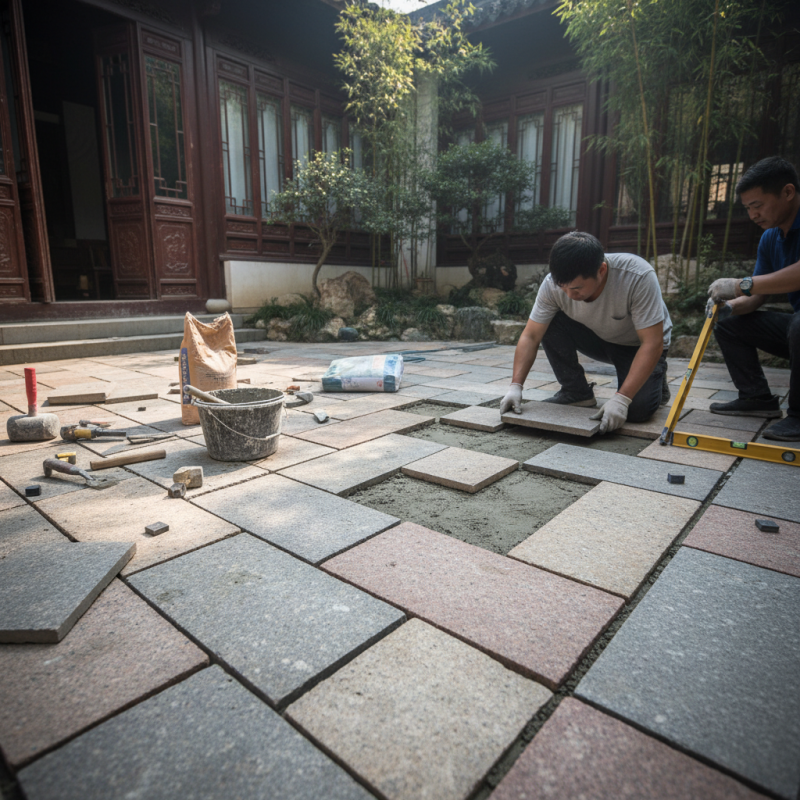
When considering stone installation in China, understanding the types of stone materials is essential. Granite and marble are among the most popular choices. Granite, known for its durability, is ideal for high-traffic areas. In 2022, it was reported that granite accounted for nearly 40% of the stone market in China. Marble, while elegant, is more susceptible to scratches and stains. It’s often chosen for decorative purposes, especially in luxury settings.
Another important material is limestone, recognized for its versatility. It has a softer texture, making it easier to work with. According to industry reports, limestone usage has increased by 25% in the past five years. However, its porous nature requires careful sealing to prevent damage. Some installers may overlook this, leading to maintenance challenges later.
Overall, the choice of stone type significantly impacts the longevity and appearance of installations. Many novice installers underestimate the significance of proper material selection. Each type of stone has unique properties that require attention to detail. This is crucial for ensuring a successful installation that meets aesthetic and functional needs.
When starting a stone installation project, having the right tools is crucial. Essential items include a quality wet saw for precise cutting. An angle grinder can help shape stones and remove small imperfections. A chisel and hammer set is also important for detailed work. These tools ensure accuracy and quality in your installation.
In addition to cutting tools, proper safety gear is necessary. Wear safety goggles and gloves to protect yourself. Dust masks are vital when cutting stones. They prevent you from inhaling harmful particles. Investing in safety gear is as important as your tools.
Another essential is a reliable measuring tape. Accurate measurements prevent costly mistakes. Levels help ensure that your stones sit flat and evenly. Don’t overlook the importance of a good adhesive for your stones. A strong bond is key to a lasting installation. Always test a small area first to ensure compatibility. These tips will help you in your stone installation journey. Pay attention to detail and take your time to achieve the best results.
Cutting and shaping stone requires precision and skill. Start by selecting the right tools. A reliable wet saw is essential for making clean cuts. Use diamond blades for hard materials like granite. Remember, safety should always come first. Wear protective eyewear and gloves to prevent injuries.
When measuring your stone, take your time. An accurate measurement can save you from costly mistakes. Measure twice before making any cuts. Often, a simple error can lead to uneven edges or ill-fitting pieces. It’s important to understand the natural characteristics of the stone. Each type has its own challenges, from hardness to grain patterns.
Practice makes perfect. Don’t be discouraged by initial failures. Each attempt teaches you something valuable. Embrace imperfections as part of the learning process. As you gain experience, you’ll improve your technique. Keep a journal of your projects. Reflecting on what went well and what didn’t can be immensely beneficial. With patience and practice, you’ll master the art of stone installation.
When it comes to stone installation, ensuring a secure fit is critical. One effective tip is to assess the surface where stones will be placed. Uneven or dirty surfaces can lead to improper adhesion. Clean the area thoroughly and check for cracks. A smooth foundation is essential for stability.
Another aspect to consider is the type of adhesive used. Each stone material may require a specific adhesive for optimal results. Choosing the right product can make a significant difference in longevity and durability. Follow the manufacturer's guidelines closely when mixing and applying the adhesive. Attention to detail here pays off.
Finally, allow the installation to cure properly. Rushing this process can lead to issues down the line. Monitor the environmental conditions during curing, as temperature and humidity can impact results. This step is often overlooked, yet it is vital for achieving a secure finish. Reflecting on these details can enhance the longevity of any stone installation project.
Maintaining stone installations in China's diverse climates requires a nuanced approach. Different regions experience varying temperatures and humidity levels. For instance, northern areas endure harsh winters, while southern regions face high humidity. Such variations can impact the longevity of stone materials. Regular cleaning can prevent dirt accumulation, which can lead to discoloration and degradation over time.
Use a soft brush and mild detergent for cleaning. Avoid acidic cleaners, as they can harm the stone. Sealing the stone is essential. This acts as a barrier against moisture and stains. However, sealing needs to be repeated every few years, depending on exposure to the elements. Pay attention to cracks or chips. They may seem minor but can lead to major issues if not addressed promptly.
In humid climates, mold and mildew can thrive on stone surfaces. Regular inspection is vital. If mold appears, treat it immediately with appropriate solutions. This prevents it from spreading. In colder areas, ice can damage stone if not cleared. Understand the unique challenges posed by your region, and act accordingly. The goal is to achieve a balance between beauty and durability within the context of local environmental conditions.
: Granite and marble are popular choices for stone installations. Granite is durable, while marble offers elegance.
Granite is known for its durability, making it ideal for spaces with heavy foot traffic.
Marble is more susceptible to scratches and stains, limiting its use primarily to decorative settings.
Limestone usage has increased by 25% over the past five years, reflecting its versatility in installations.
Its porous nature requires careful sealing, which some installers might overlook, leading to potential damage.
A wet saw, angle grinder, chisel, hammer, measuring tape, and levels are all essential tools for installation.
Safety gear like goggles, gloves, and dust masks protects you from harmful particles and injuries.
Accurate measurements are crucial to avoid costly mistakes and ensure a proper fit of the stones.
A strong adhesive bond is key for durability. Always test the adhesive on a small area first.
Novice installers often underestimate the importance of choosing the right stone type, which affects longevity and aesthetics.
The "Stone Installation Guide For Beginners" offers essential insights into the various aspects of stone installation in China. It begins by exploring the different types of stone materials commonly used, providing a foundational understanding for novices. The guide emphasizes the importance of having the right tools and equipment, ensuring that beginners are well-equipped for their projects.
Moreover, it details key techniques for accurate stone cutting and shaping, highlighting best practices to guarantee a secure installation. Finally, the guide includes maintenance tips tailored to the unique climatic conditions in China, helping to preserve the integrity and appearance of stone installations over time. This comprehensive approach equips beginners with the knowledge and skills necessary for successful stone projects.

Jieda Stone