In the realm of natural stone selection, the "Stone Thickness Selection Guide" has become an essential resource. A recent industry report from the International Stone Association indicates that the demand for appropriately thick stone products has increased by 25% over the past three years. This shift highlights the importance of understanding thickness specifications for durability and aesthetic appeal. Experts in the field emphasize that choosing the right thickness can significantly impact both the performance and longevity of stone installations.
Renowned stone specialist, Dr. Emily Chen, notes, “Thickness is not just a number; it is a key factor in ensuring structural integrity.” Her insights reflect a growing recognition of the intricate balance between design preferences and practical requirements. As buyers navigate this selection process, they often encounter confusion regarding thickness standards and applications. The objective is to provide clarity while also contemplating the limitations and challenges that exist within the industry.
As global buyers prepare for 2026, understanding the complexities of stone thickness becomes imperative. The decisions made today will pave the way for sustainable practices in stone procurement. An informed choice in thickness can prevent costly mistakes and ensure that projects stand the test of time. Evaluating the guidance provided in the "Stone Thickness Selection Guide" is crucial for achieving both functionality and aesthetic excellence.
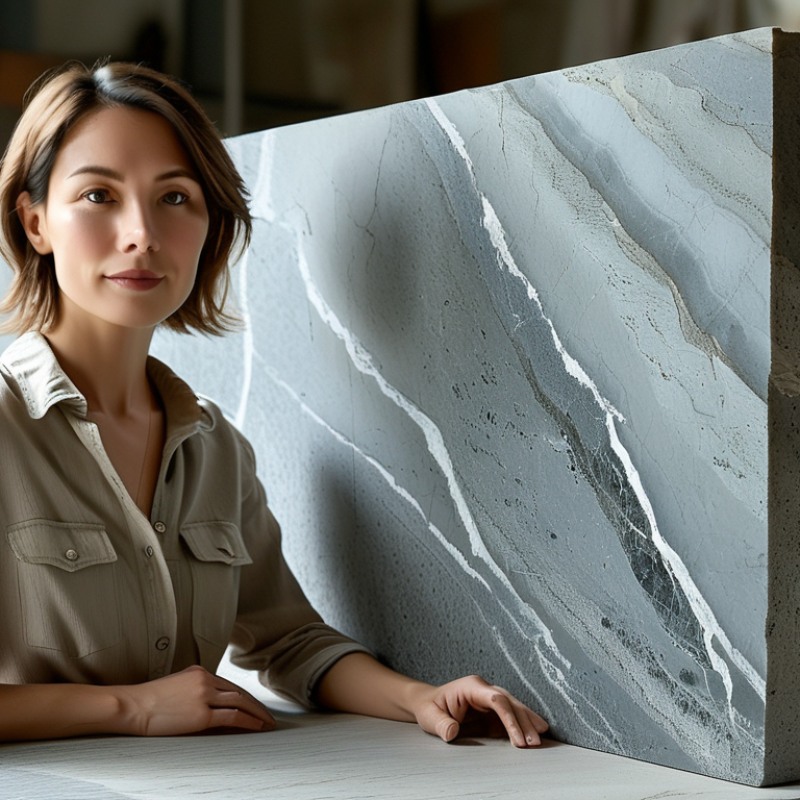
When selecting stone for a project, understanding thickness variations is crucial. Different types of stone offer unique benefits and may vary in their structural integrity based on thickness. For instance, granite is often quarried in various thicknesses, typically ranging from 2 to 3 centimeters. Thicker slabs can provide increased durability for countertops and flooring but may also demand more support.
In contrast, softer stones like limestone or marble usually come in thinner options. These stones, often chosen for their aesthetics, typically measure between 1.5 and 2 centimeters. While thinner options are beautiful, they might require careful handling to avoid chips or breaks. It's important to weigh the balance between beauty and practicality when selecting the right thickness.
Buyers should also consider installation methods. Using thicker slabs might lead to a hefty installation process, while thinner stones often need a proper backing. Not all installers are well-versed in handling every type of stone. Ensure to consult with professionals who know how to work with various thicknesses and types effectively. Quality installation can greatly impact the longevity and performance of the stone in your space.
This chart presents the thickness variations of different types of stones commonly used in construction and design. Understanding these variations is crucial for selecting the right material for specific applications.
When selecting the right stone thickness, several factors come into play. The intended use is crucial. For flooring, a thickness of 15 to 20 mm typically works well, providing durability without being overly heavy. In areas prone to heavy foot traffic, thicker stones, around 30 mm, may be necessary. This choice affects both aesthetics and practicality.
Texture and finish also influence thickness selection. Polished stones often require more thickness to withstand potential wear and tear. Conversely, a honed finish may allow for thinner slabs while maintaining a clean appearance. Buyers must consider how these textures interact with their design vision.
Weight can be a concern, especially in renovations. Thicker stones add substantial weight, which may require reinforcement in existing structures. Additionally, cost is always a consideration. Thicker stones generally come at a premium. Reflecting on these elements is essential. Think about the balance between style and functionality in your project. This careful consideration can lead to more informed and satisfying choices.
When selecting stone thickness for construction and design, various applications demand specific considerations. For flooring, a thickness of about 12 to 20 mm is common. This thickness provides durability while maintaining an elegant appearance. It's ideal for both residential and commercial spaces, as it can withstand foot traffic without cracking easily.
For countertops, thicker options, usually around 20 to 30 mm, are often preferred. Thicker stone can handle heat and scratches better, making it practical for kitchens. However, this choice can increase costs significantly. It's crucial to think about the overall design. A slab that is too thick may overpower a small kitchen, while a thin one might lack the needed strength.
When using stone for exterior cladding, a thickness of 15 to 25 mm can enhance both aesthetics and structural integrity. Weather conditions may influence this choice. Thinner options might not withstand harsh climates. Buyers must consider their local weather patterns seriously and reflect on their long-term investment. There’s no one-size-fits-all solution; each project presents unique challenges and opportunities for reflection and learning.
Measuring and installing stone thickness requires precision and attention to detail. First, using a reliable caliper is essential. This tool helps ensure accurate measurements. When measuring, keep the stone on a flat surface. Avoid using uneven surfaces, as this may lead to inaccurate readings. Ideally, measure multiple points to account for any inconsistencies in thickness.
Installation should be approached with care as well. The surface must be thoroughly cleaned before laying the stone. Dust and debris can create unevenness. An adhesive should be applied evenly to ensure a strong bond. During installation, it's crucial to frequently check alignment. Small shifts can impact the overall look and structure. Paying close attention to these details can save time and resources later.
Sometimes, mistakes occur even in measured approaches. Perhaps the stone isn’t cut as expected. This can be frustrating, but it’s part of the learning curve. When such issues arise, it may be wise to reassess the entire process. Understanding that perfection is challenging allows for better planning in future projects. Embracing these lessons can lead to improved skills over time.
In the global market, stone thickness preferences are evolving. Buyers are increasingly seeking sustainable options. Trends indicate a shift towards thinner stones for aesthetic reasons. These materials allow for lighter installations and efficient transportation.
Tips: Consider local availability. Sourcing stones within your region reduces costs and environmental impact. Engage with local suppliers to understand what options are viable for your projects.
Customizing stone thickness is now common. While aesthetics matter, functionality is crucial. Thicker stones offer durability, but they can be cost-prohibitive. It’s essential to balance design wishes with practical requirements.
Tips: Always check for certifications. Quality assurance can prevent disappointment. It ensures that the selected stones meet expected standards for safety and reliability. Reflect on your long-term goals when choosing stone thickness. It's an investment that should align with your vision.
| Region | Preferred Thickness (mm) | Common Stone Types | Availability (%) | Market Growth Rate (%) |
|---|---|---|---|---|
| North America | 20-30 | Granite, Marble | 85 | 5 |
| Europe | 15-25 | Limestone, Slate | 75 | 4 |
| Asia | 10-20 | Quartzite, Marble | 90 | 6 |
| Latin America | 20-35 | Granite, Basalt | 80 | 3 |
| Middle East | 15-30 | Marble, Travertine | 85 | 7 |
: A thickness of about 12 to 20 mm is common for flooring. This range balances durability and aesthetics.
Stone around 20 to 30 mm can handle heat and scratches better. However, it may increase overall costs significantly.
A thickness of 15 to 25 mm is ideal for exterior cladding. Thinner stones may not withstand harsher climates well.
Using a reliable caliper on a flat surface ensures accurate measurements. Measure multiple points to catch inconsistencies.
Clean the surface thoroughly to avoid dust and debris. Uneven surfaces can lead to installation issues later.
Frequently check alignment as you lay the stone. Small shifts can significantly affect the overall structure and appearance.
Reassessing the measurement process is wise. Mistakes happen, and understanding them can improve future projects.
Consider the project design and space. A slab that is too thick may overpower small areas, while thin options may lack strength.
No, each project has unique challenges. Reflection on these can enhance decision-making and design approaches over time.
The "Stone Thickness Selection Guide" for 2026 offers a comprehensive overview of how various types of stone and their thickness variations can impact construction and design. It begins by explaining the different types of stones available in the market, highlighting the characteristics and appropriate thicknesses for each type. Factors such as durability, aesthetic preference, and structural requirements are discussed, which play a crucial role in helping buyers make informed decisions.
Furthermore, the guide delves into the practical applications of various stone thicknesses, emphasizing their significance in design elements and construction practices. Best practices for measuring and installing stone thickness are also outlined, ensuring that buyers understand the necessary steps for achieving optimal results. Lastly, the article examines global market trends regarding stone thickness preferences, providing valuable insights into availability and consumer choices across different regions. This guide serves as an essential resource for anyone looking to navigate the complexities of stone thickness selection effectively.

Jieda Stone